
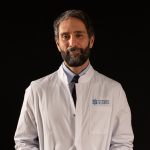
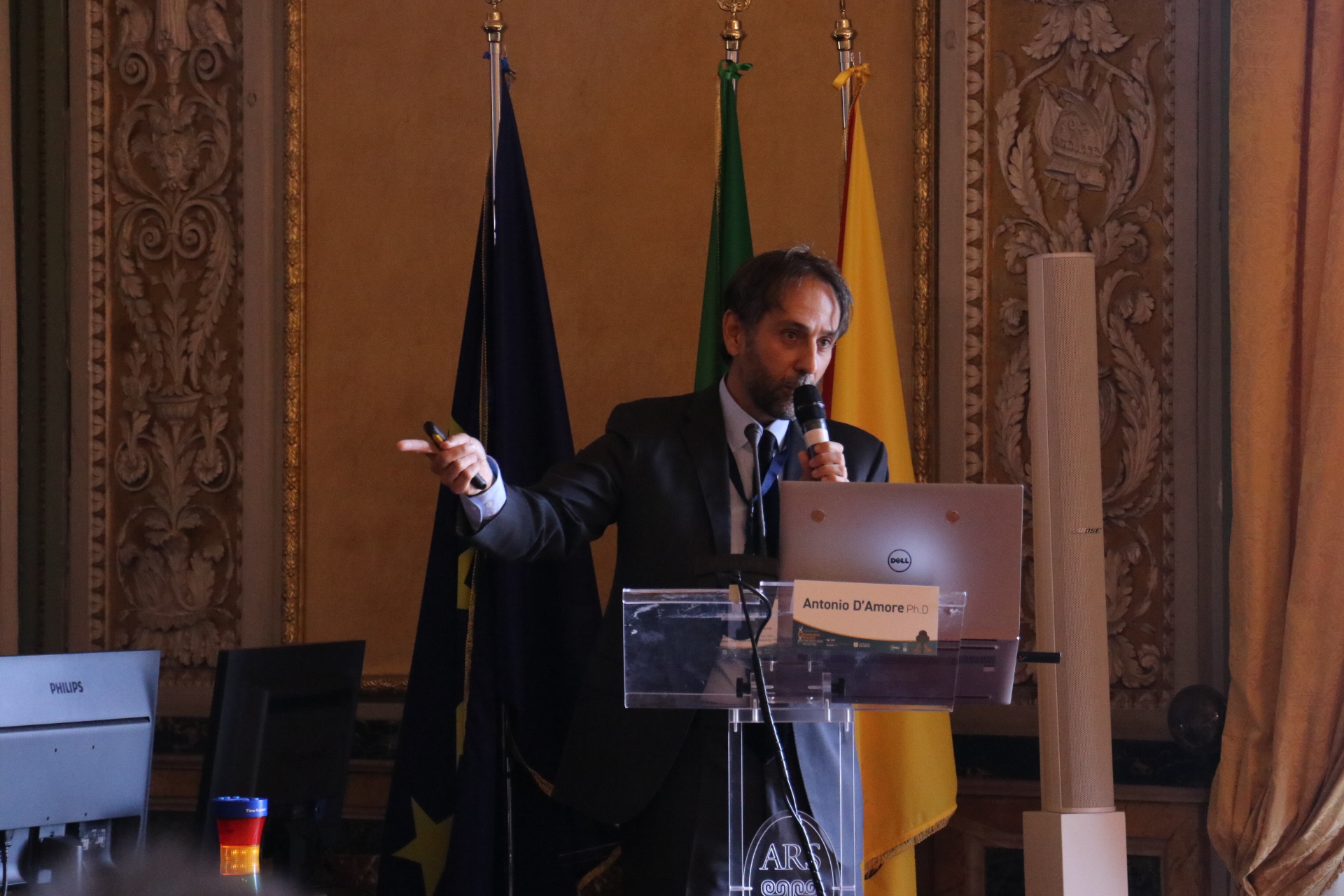
Antonio D’Amore, Ph.D.
Group coordinator
adamore@fondazionerimed.com
Contatti:
Antonio D’Amore, PhD
GROUP LEADER IN TISSUE ENGINEERING
adamore@fondazionerimed.com
tissueengineering@fondazionerimed.com
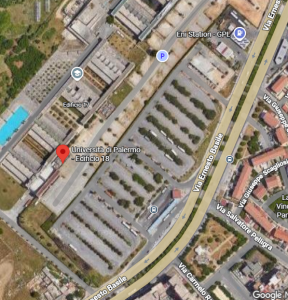
Facilities:
Viale delle Scienze Ed. 18/A
90128 Palermo, ITALY
Collaborazioni:
- University of Palermo, Palermo, Italy
- Advanced Technologies Network Center (ATeN Center), Palermo, Italy
- McGowan Institute for Regenerative Medicine (MIRM), Pittsburgh, USA
- University of Pittsburgh Medical Center (UPMC), Pittsburgh, USA
- The Mediterranean Institute for Transplantation and Advanced Specialized Therapies (ISMETT-IRCCS), Palermo, Italy
- Universidad Abierta Interamericana (UAI), Buenos Aires, Argentina
- Neoolife, Pittsburgh, USA
- TELEA BioTech, Sandrigo, Italy
- Columbia University Irving Medical Center (CUIMC), New York, USA
- Technical University of Munich, (TUM), Munich, Germany
- University of California Irvine (UCI), Irvine, USA
- Eindhoven University of Technology, NetherlandPolitecnico di Torino, Italy
- Università di Cagliari, Italy
- Policlinico di Milano, Italy
- École Polytechnique, Paris, France
- Campus biomedico, Rome, Italy
- Università Cattolica del Sacro Cuore, Roma, Italy
Description
Dr. D’Amore’s cardiovascular tissue engineering laboratory seeks to couple a mechanistic understanding of the relationship between scaffolds micro-structure, mechanics, and endogenous tissue growth with the development of novel biomaterials for tissue engineering strategies. The focus of our research is upon unmet clinical needs in cardiovascular diseases. The ongoing funded projects (NIH, ERC, industry sponsored) share an integrated in silico, in vitro, in vivo approach where three critical steps in biomimicry are implemented: I) Observe (quantify specific native tissue and organ features); II) Understand (elucidate mechanisms based on the observation made); III) Develop (duplicate the identified properties and mechanisms, fabricate tissue surrogate accordingly and assess its performance).
Aims
Can a mechanistic understanding of how biomaterials and native tissue micro-structure translates into a specific biological response as well as a nature inspired control over biomaterials structure – function lead to a better performing generation of cardiovascular tissue surrogates?”
The statement of our mission reflects our vision of science where basic and translational research are equally fundamental and symbiotic in advancing human knowledge and addressing unmet clinical needs.
The connection of this research question with the Ri.MED Center scientific identity is twofold and bidirectional:
Humans → Environment
The medical devices and cardiovascular tissue engineering strategies we develop aim to enhance human resilience to the threats of the environment which, in this case, are the broad spectrum of cardiovascular diseases.
Humans ←Environment
Our group combines tissue engineering with biomimicry, this paradigm requires operatively and philosophically to study and unfold the complexity of nature, to identify, and ultimately to replicate critical properties for a specific clinical application.
Focus
- Tissue-engineered heart valves
- Tissue-engineered vascular grafts
- Tissue-engineered cardiac patches
- Bioreactors for enhanced extracellular matrix elaboration
- Native/engineered tissue image-based structural and histopathological analysis
- Native/engineered tissue numerical models for mechanics and tissue growth
Expertise and resources
- Engineered tissue and biomaterials fabrication
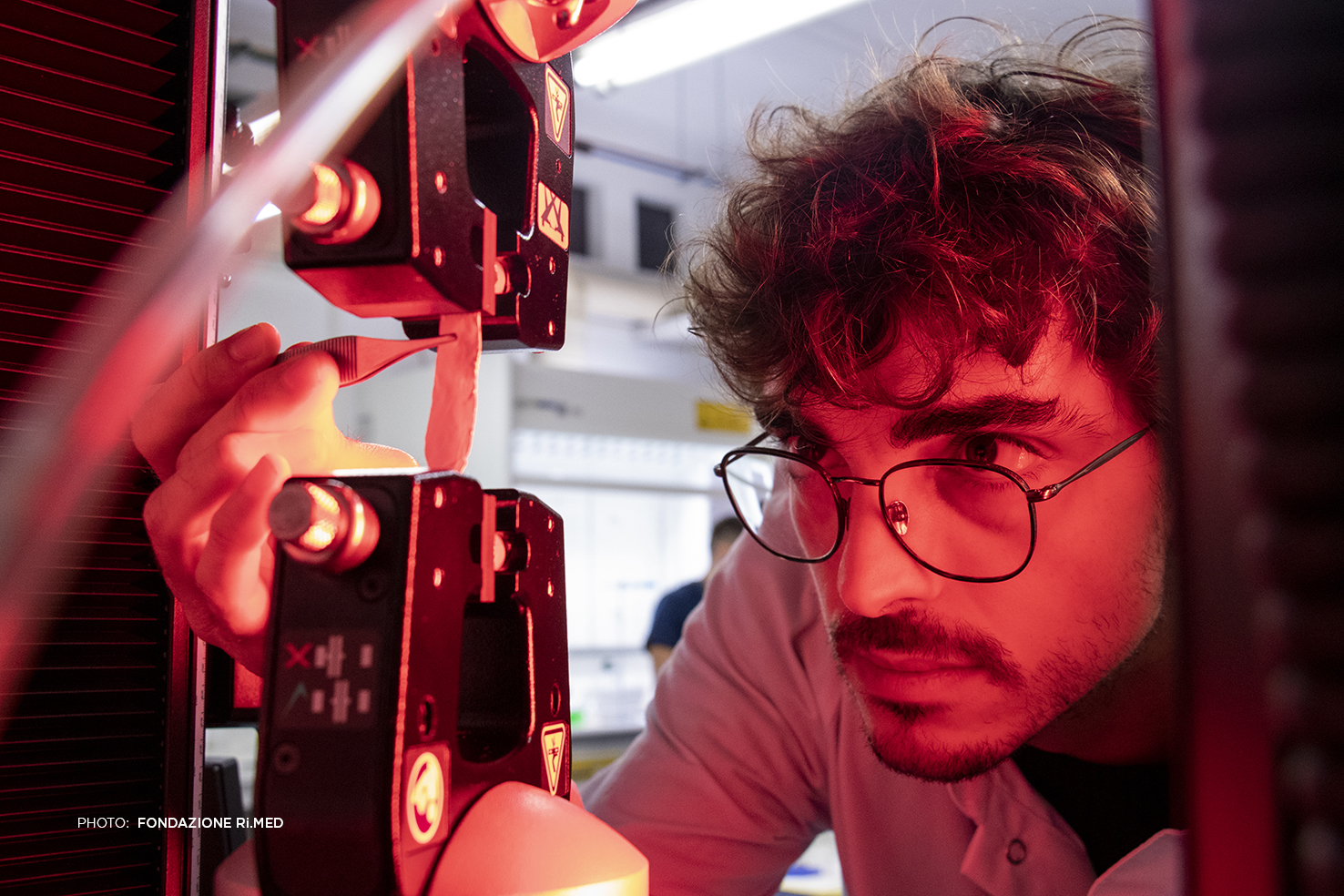
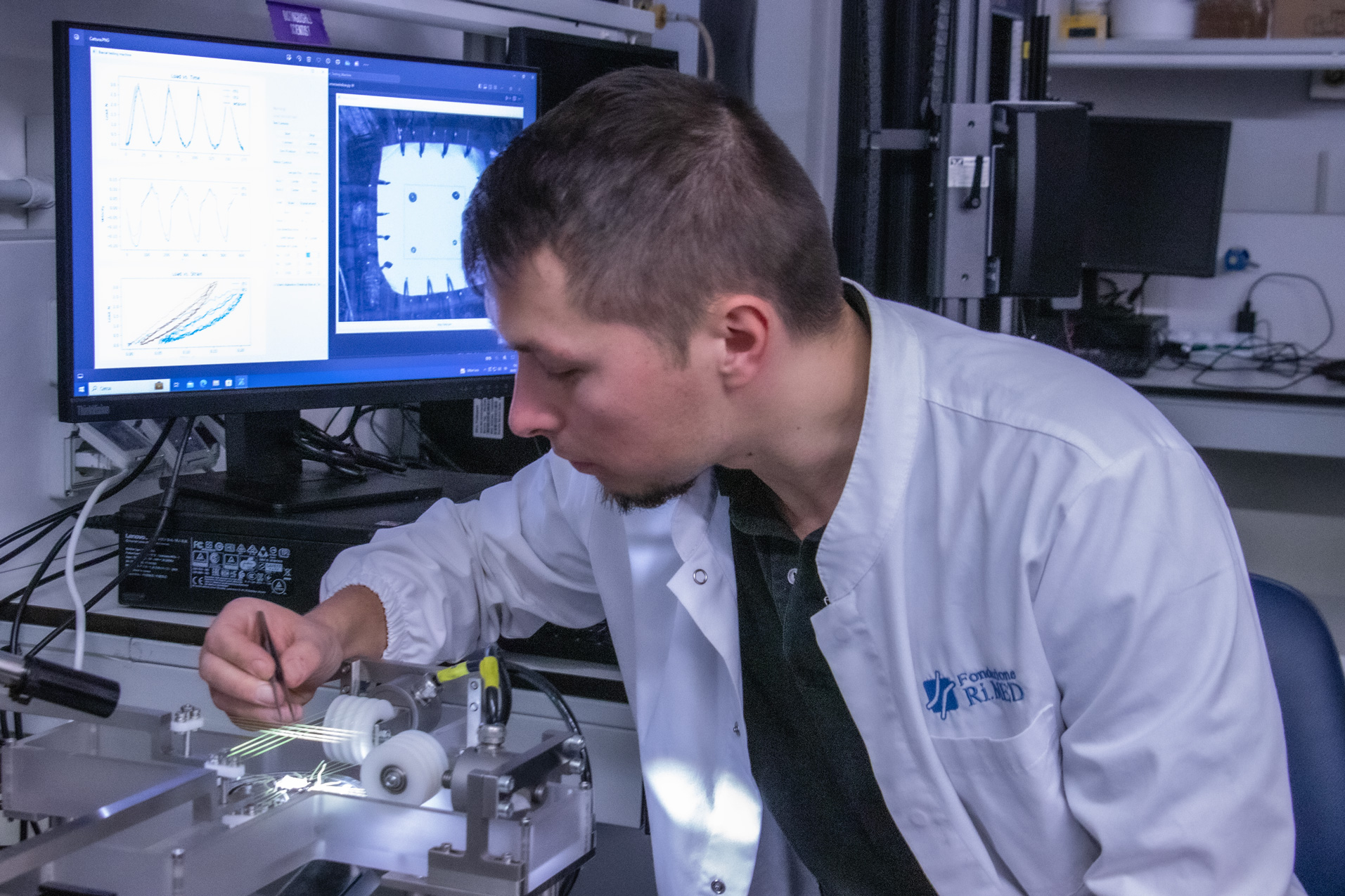
- Physical, and chemical characterization of native and engineered tissues
- Qualitative and quantitative histological evaluation
- Tissue surrogate models for mechanobiology
- Numerical modeling of tissue function, growth and scaffold degradation
- In vivo characterization of engineered tissue in large and small animal models
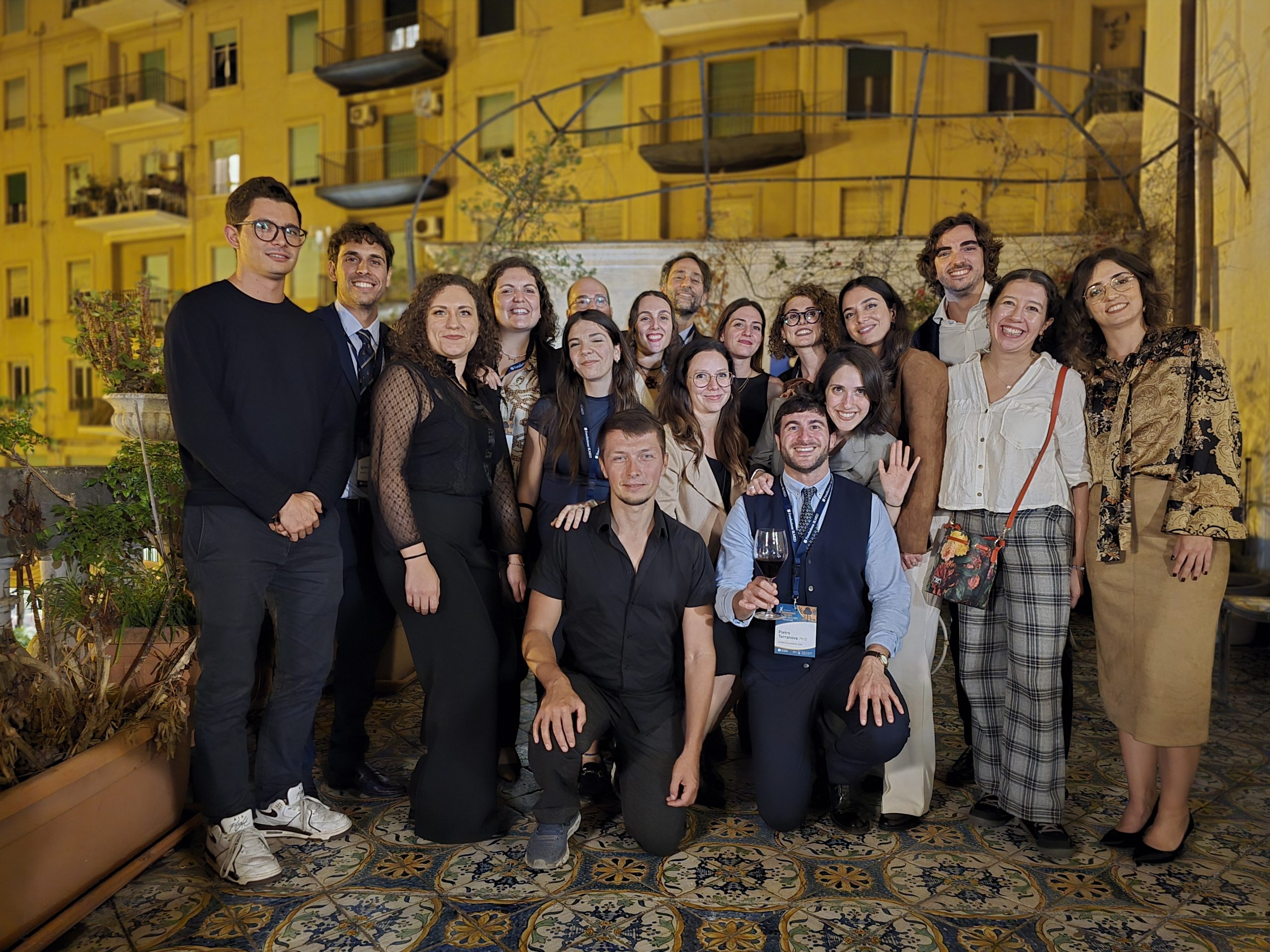
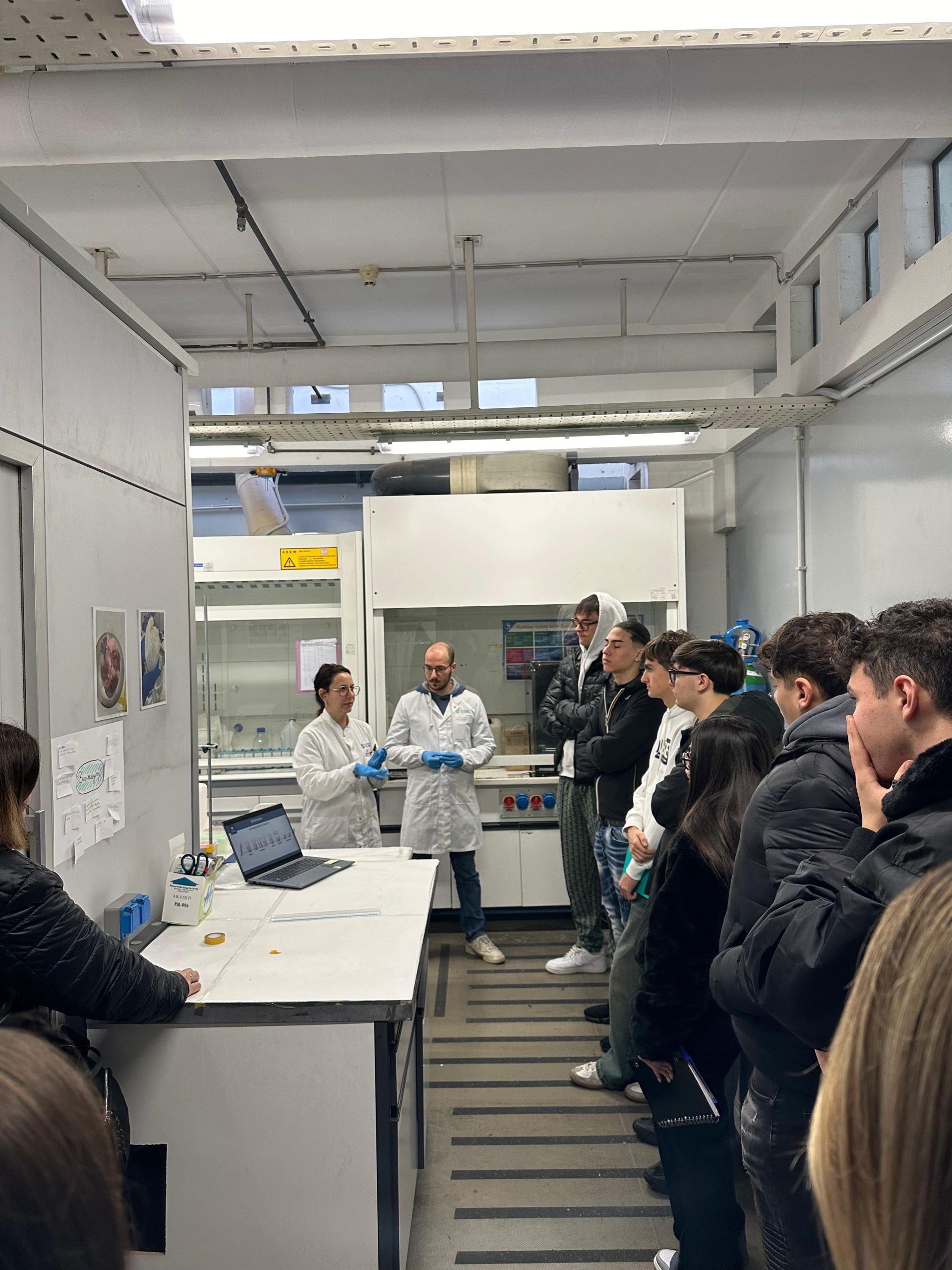
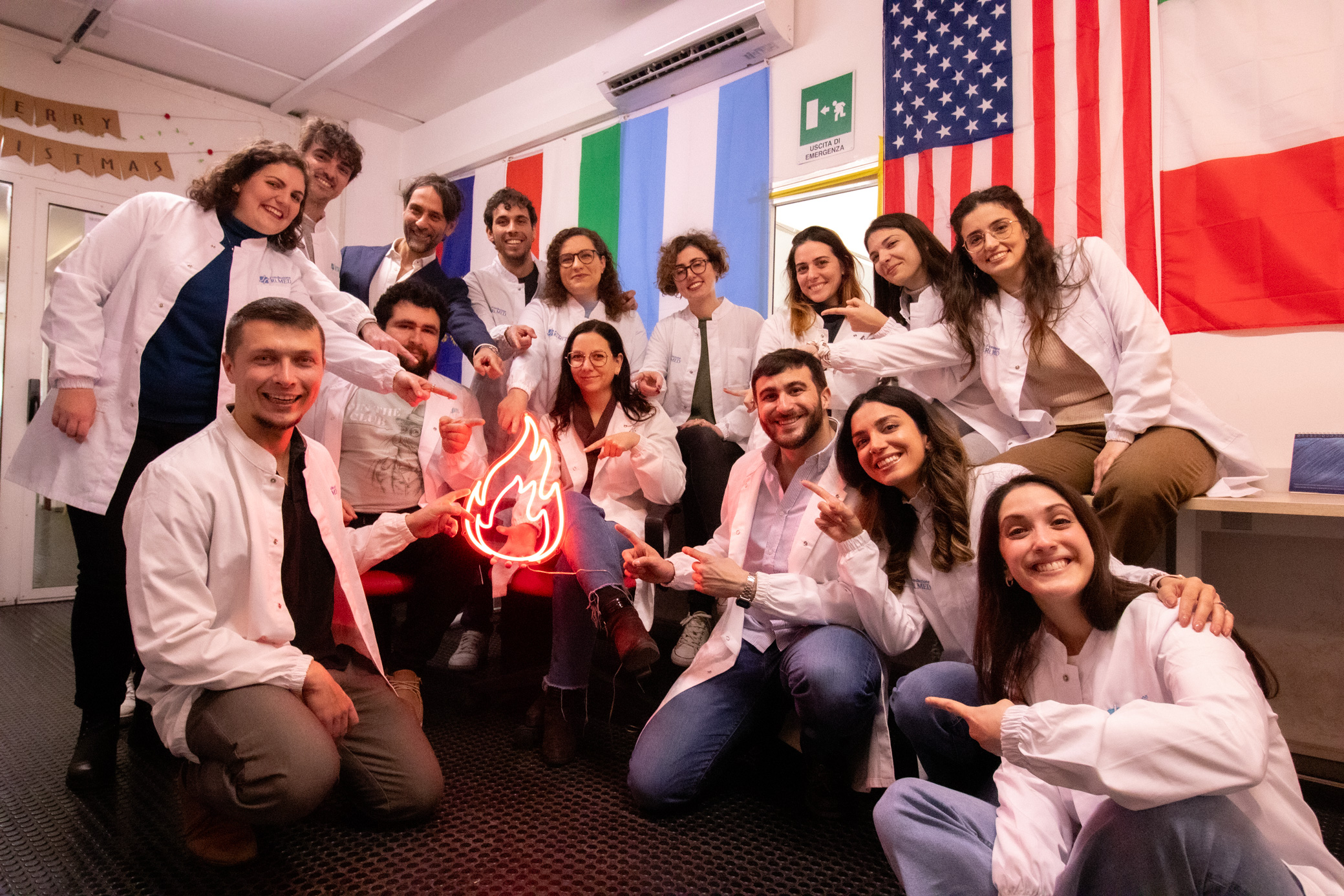
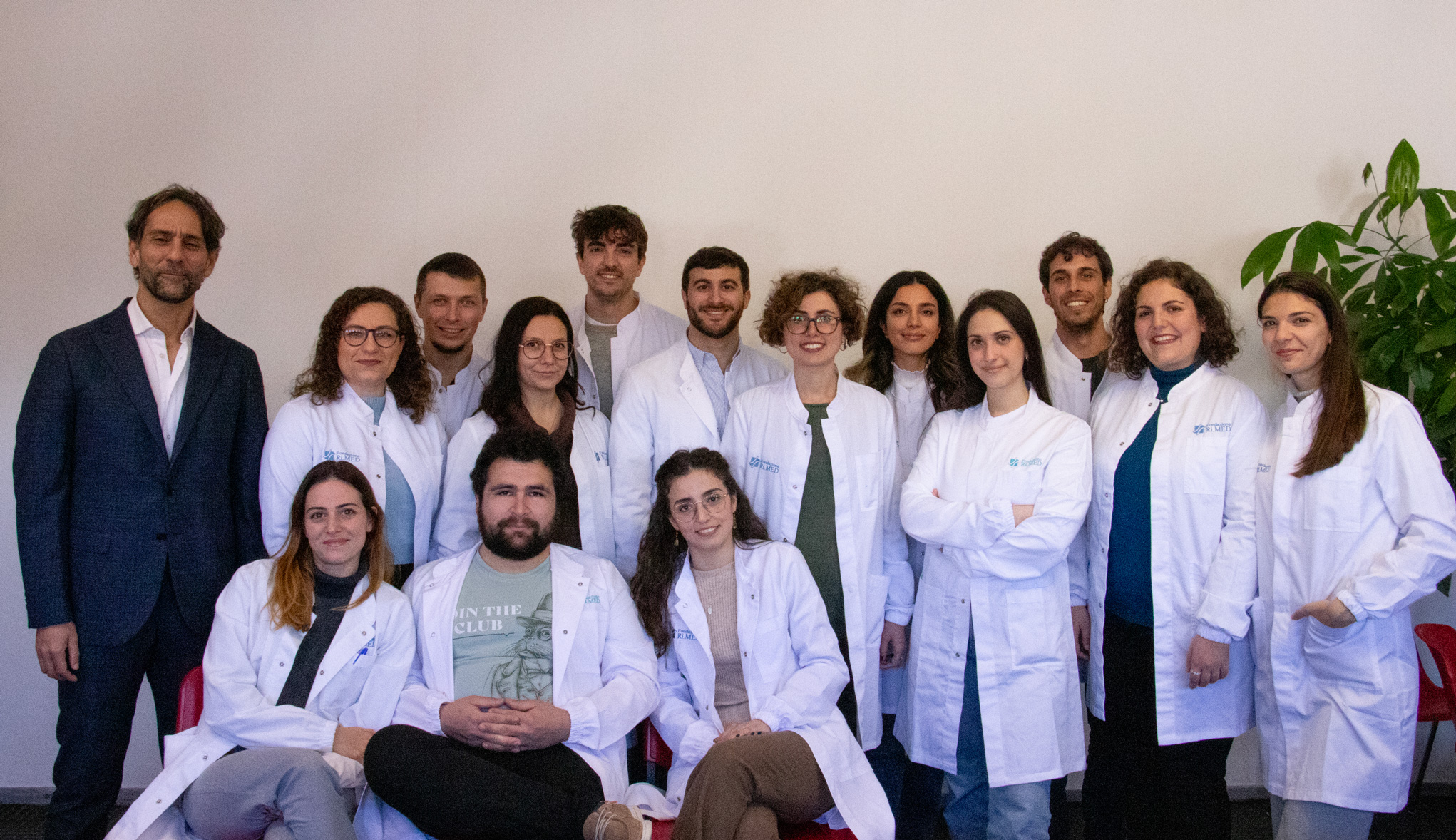
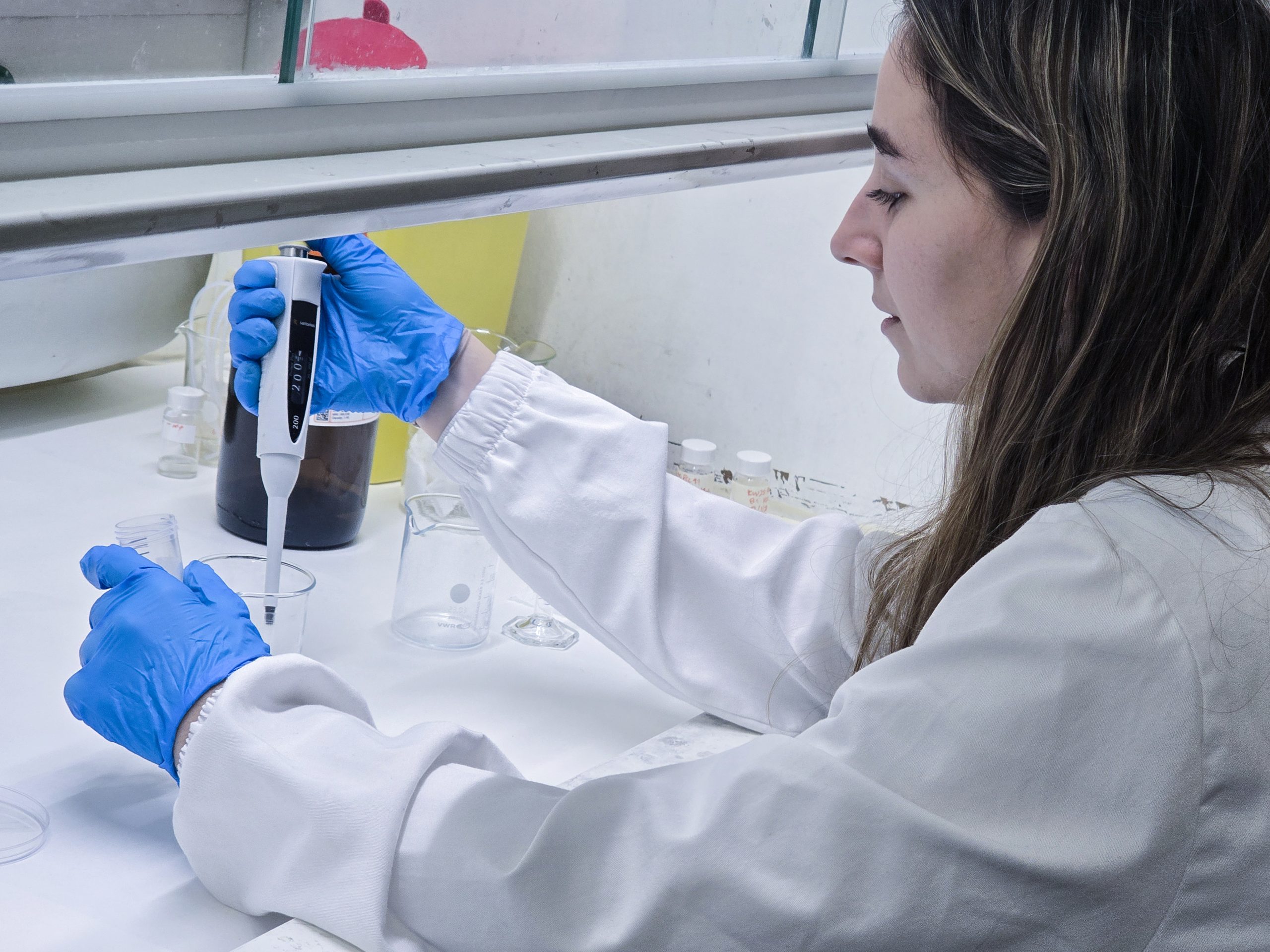
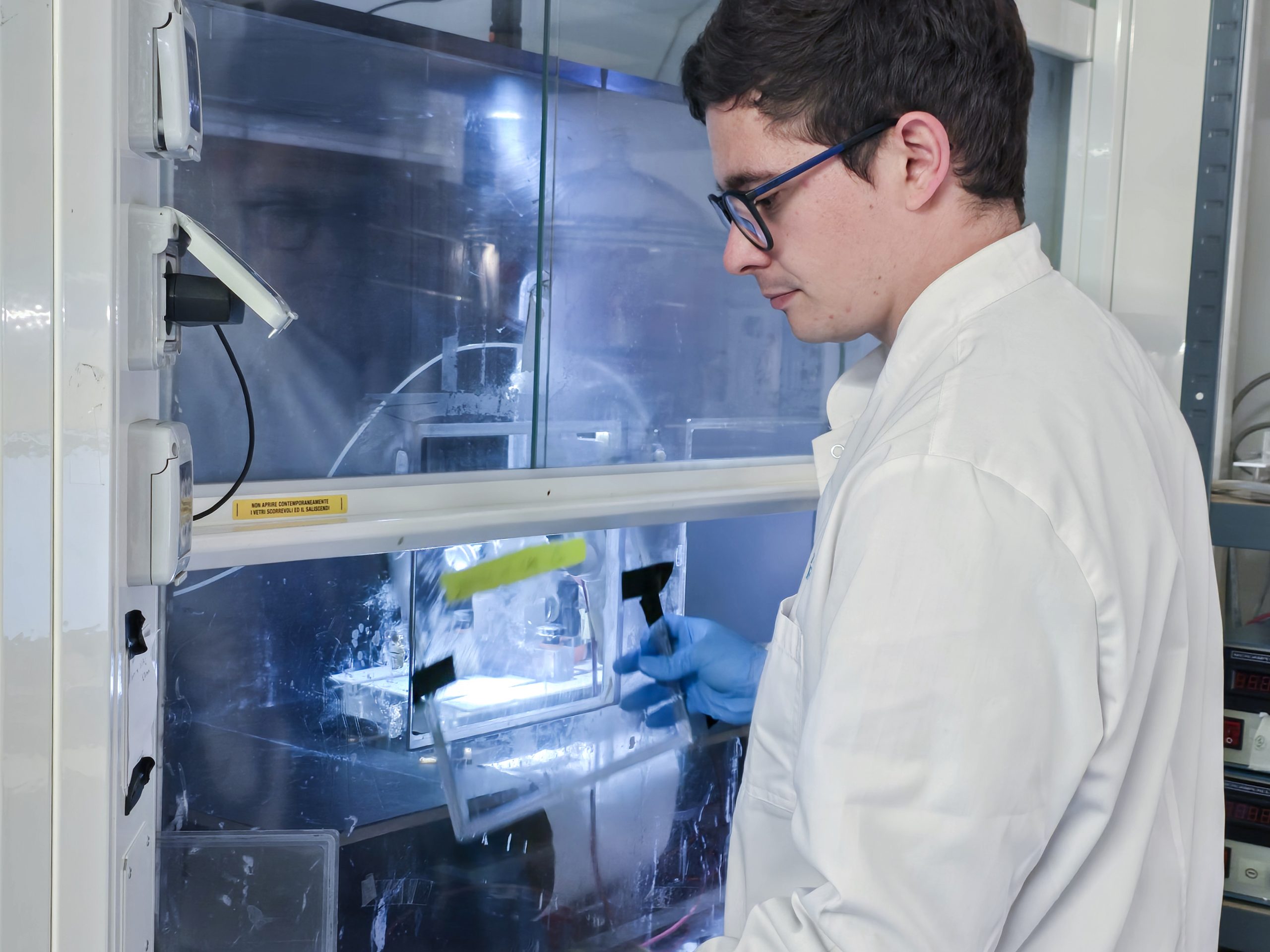
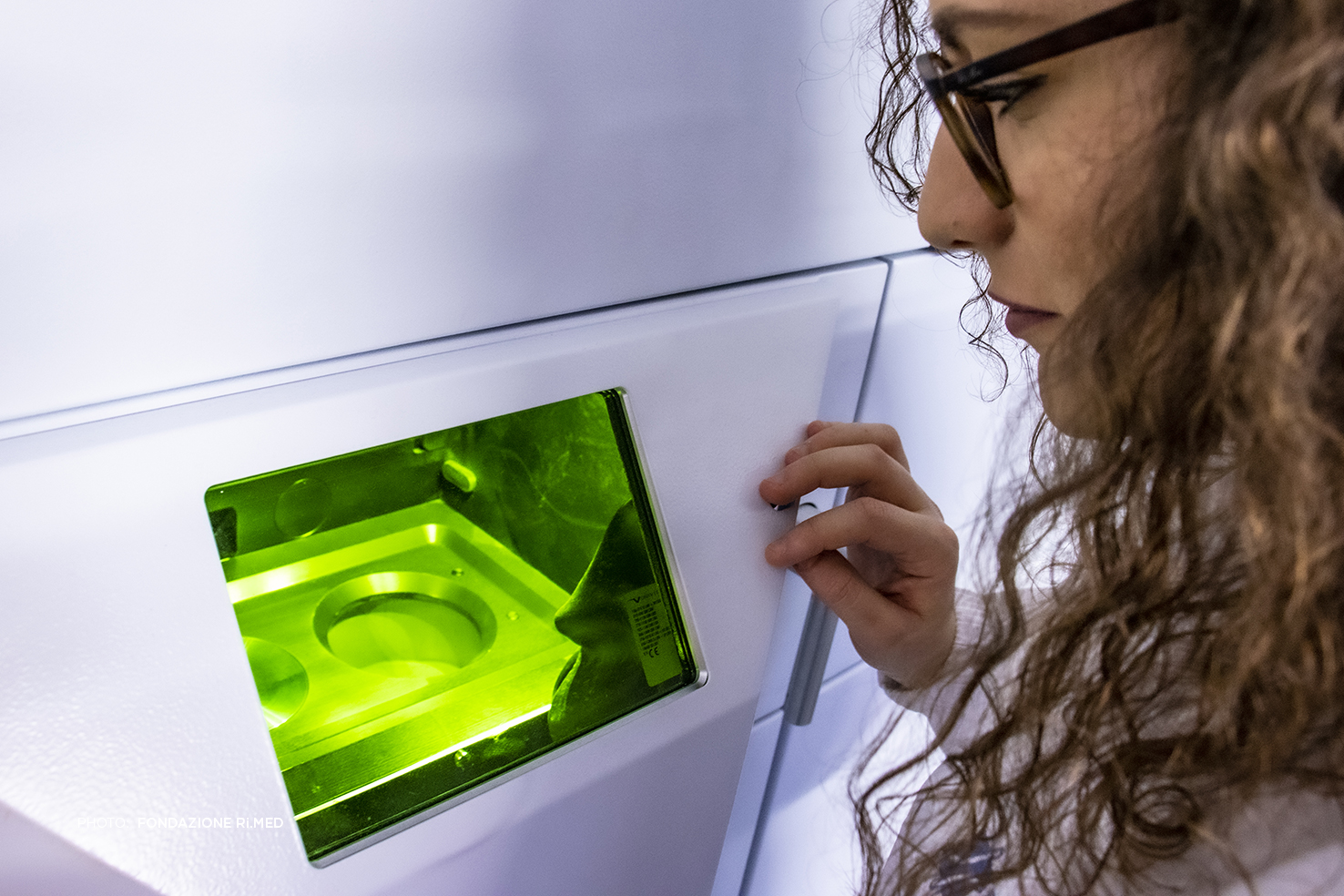
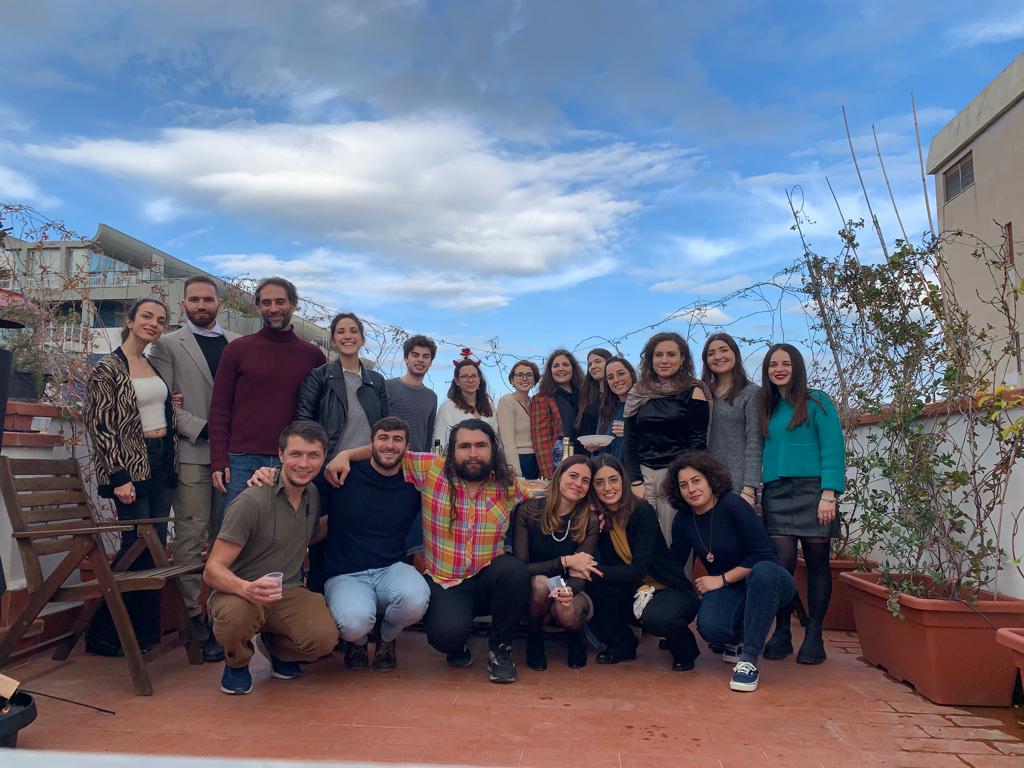
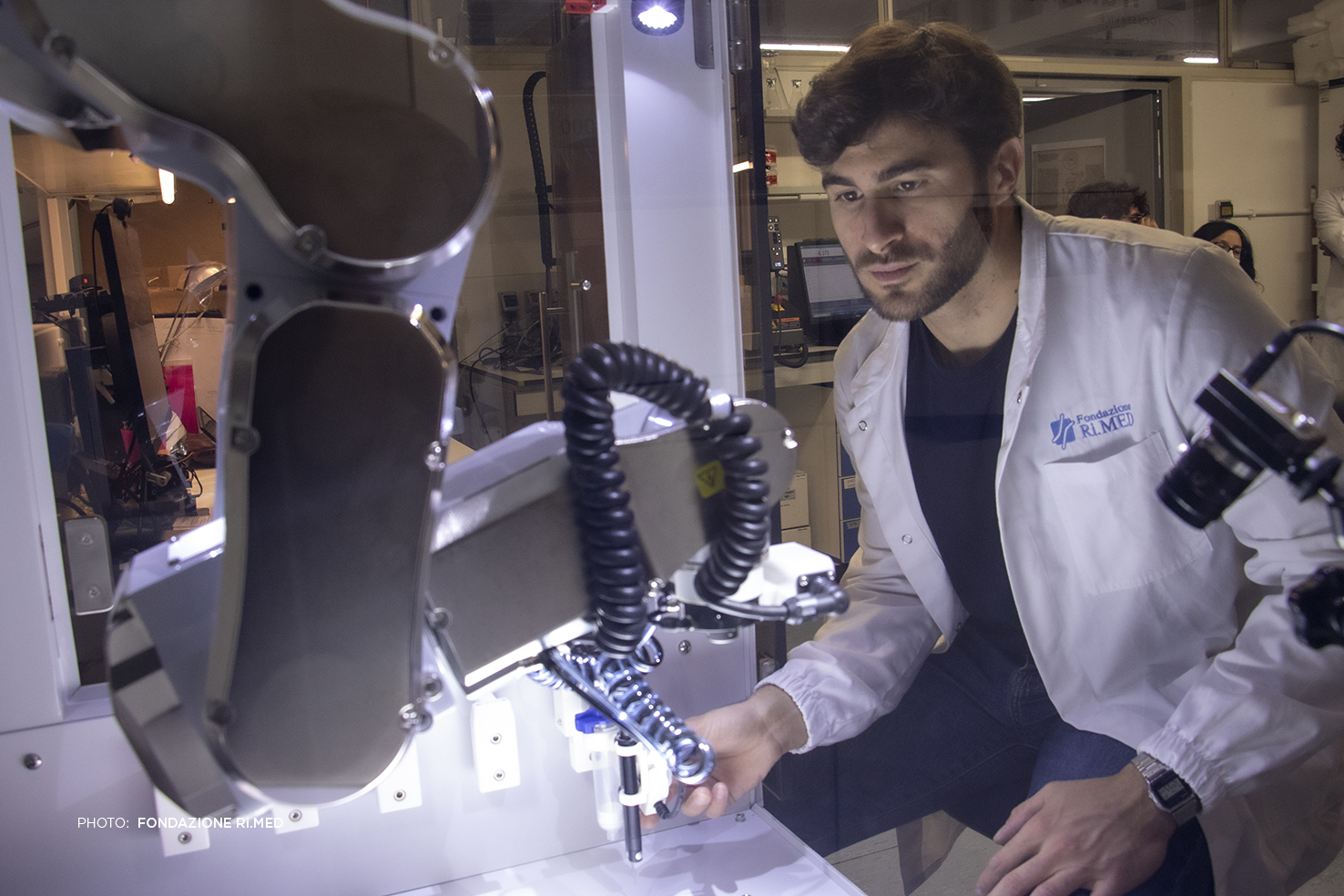
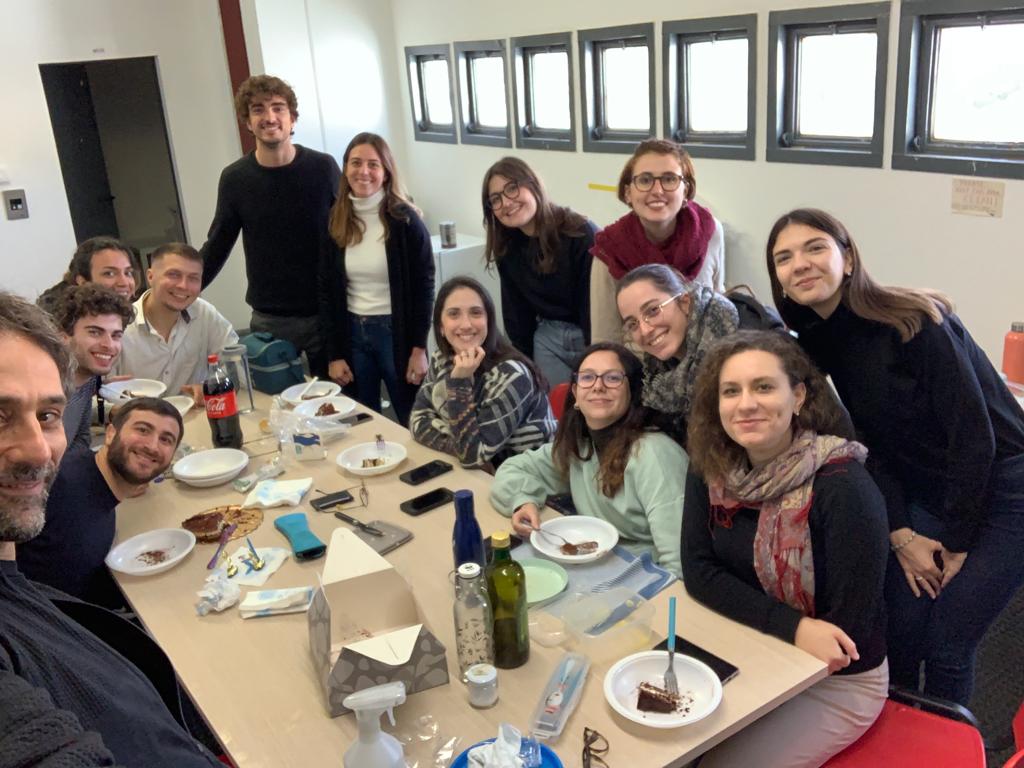
- 23 people strong, 150 m2 + of fully equipped wet lab space with focus on material fabrication and characterization
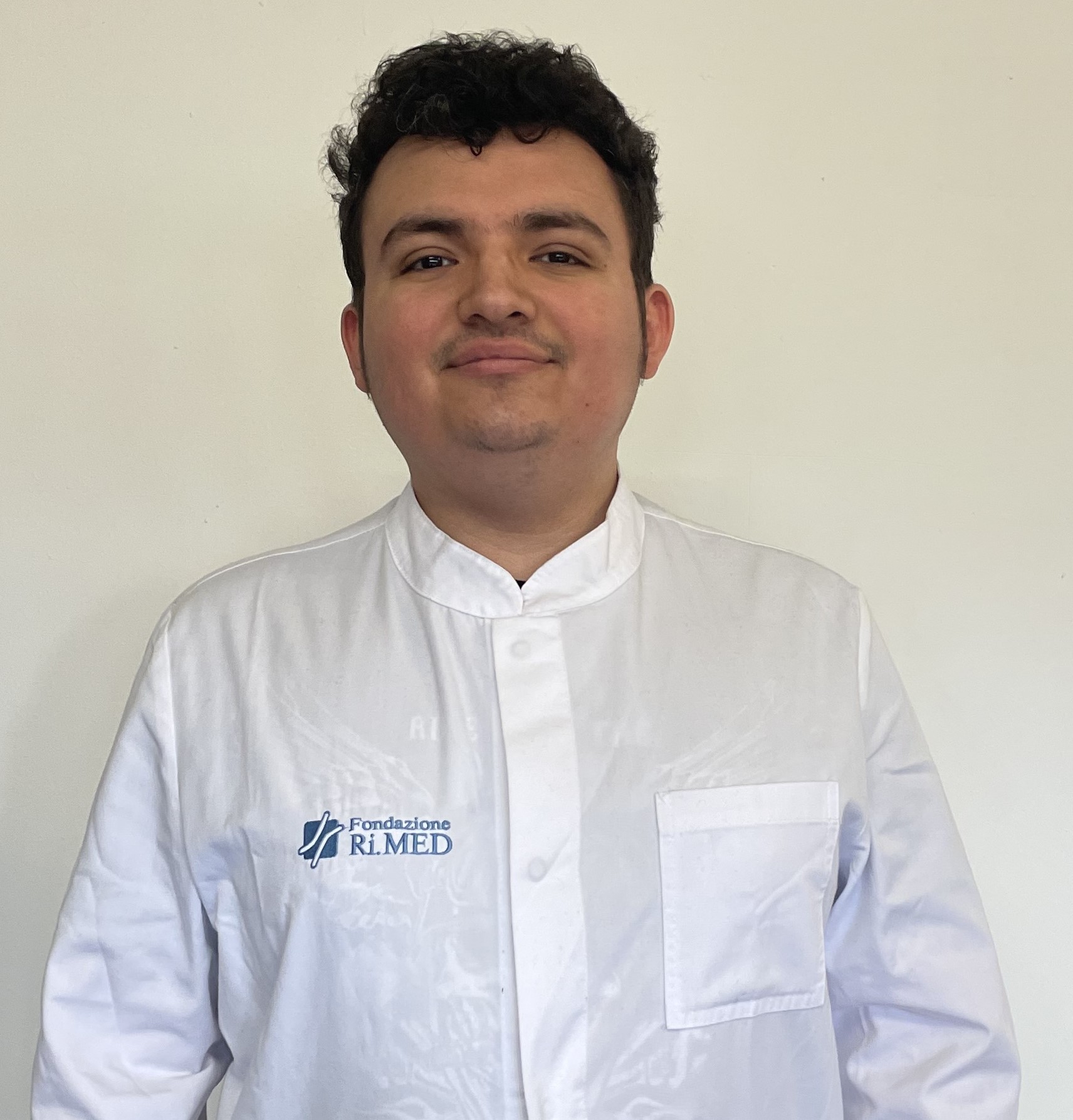
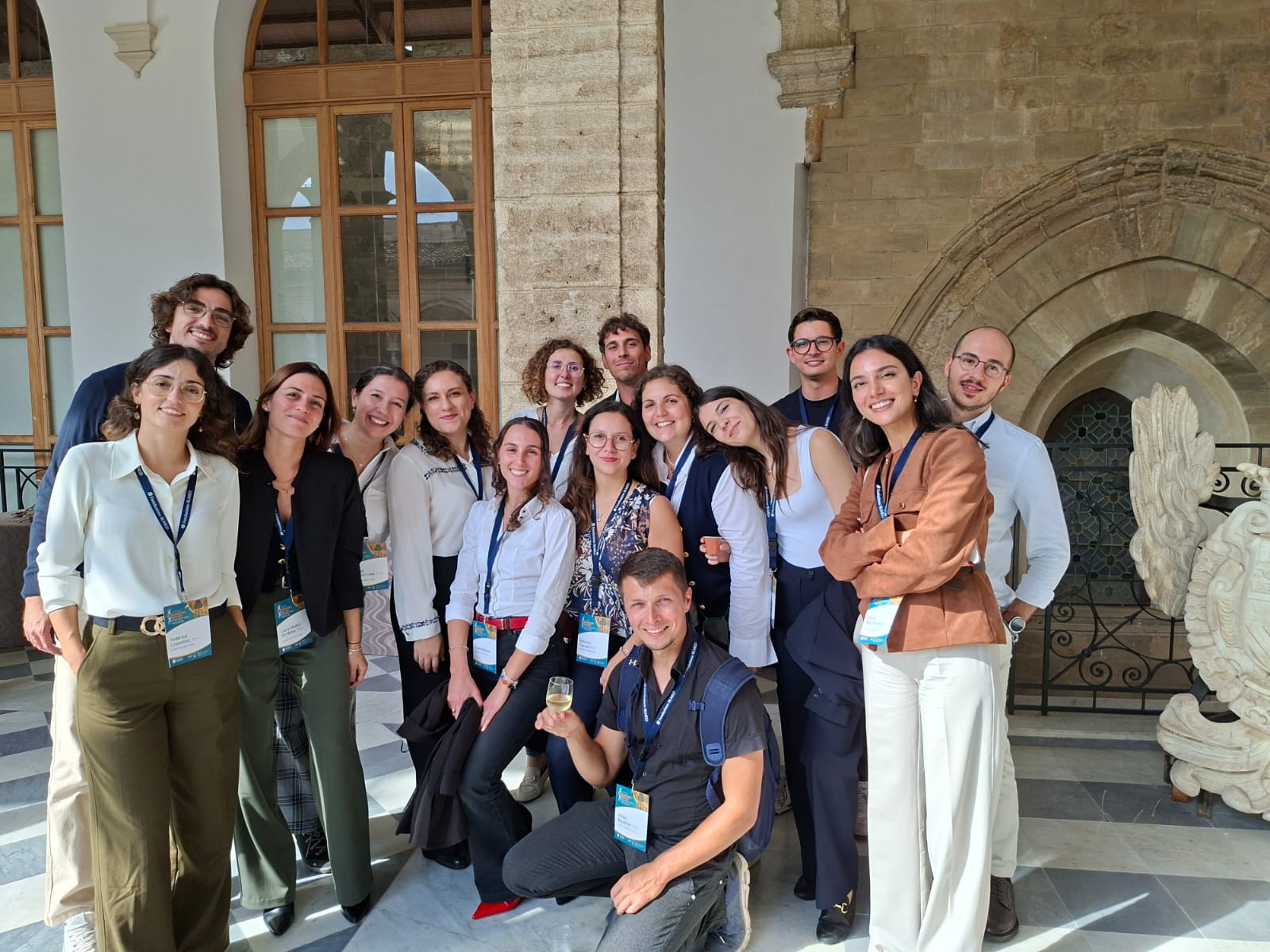
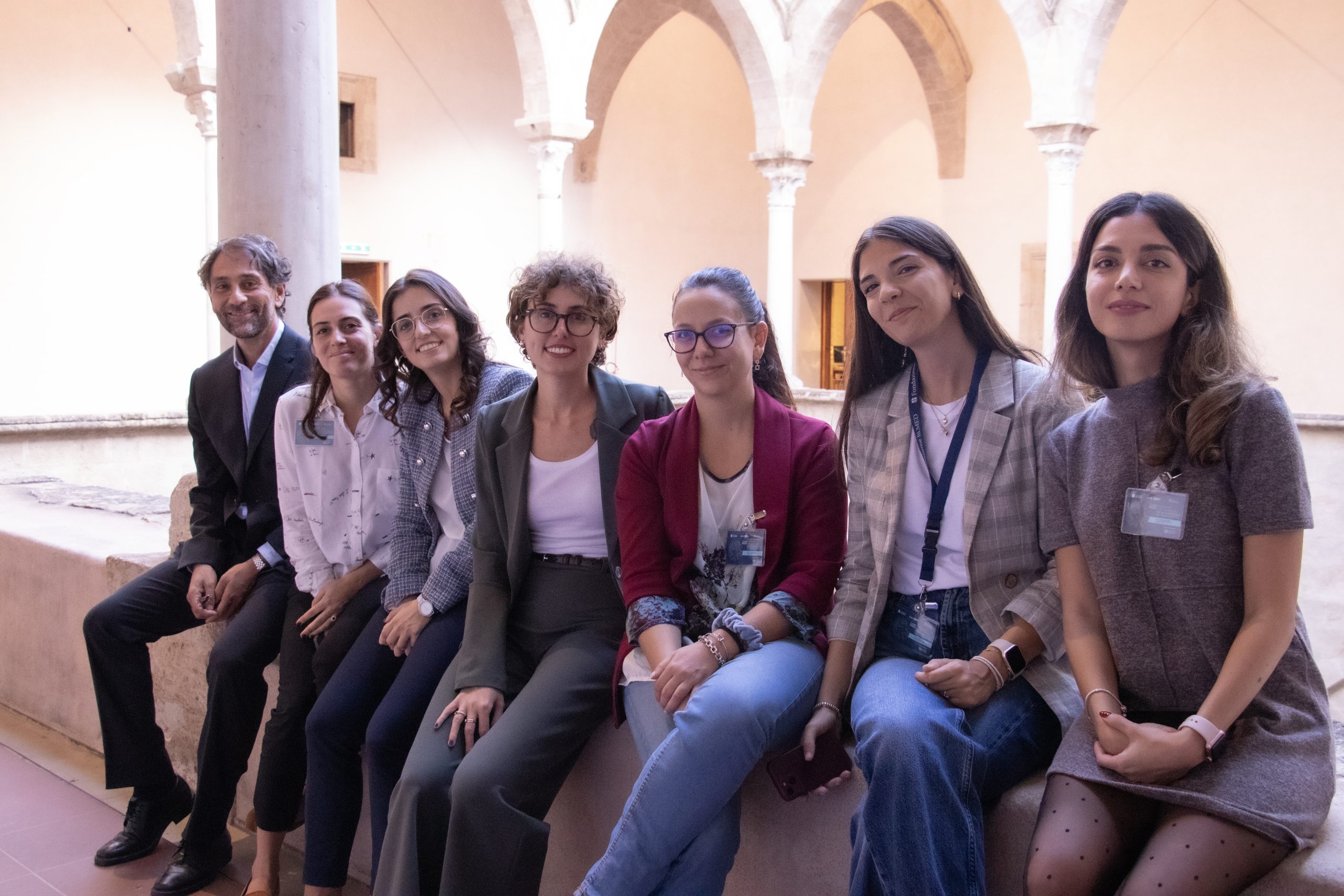
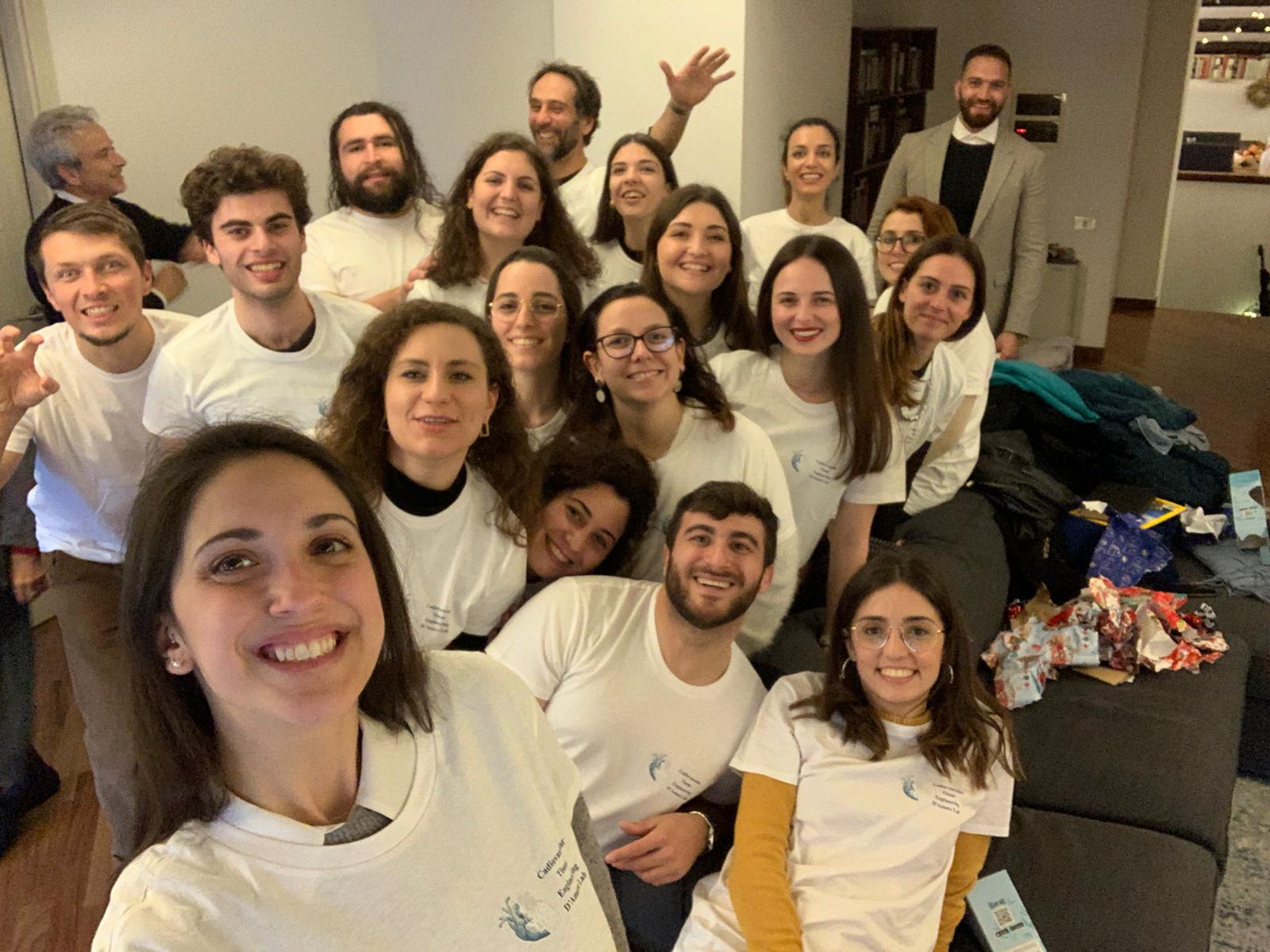
Team
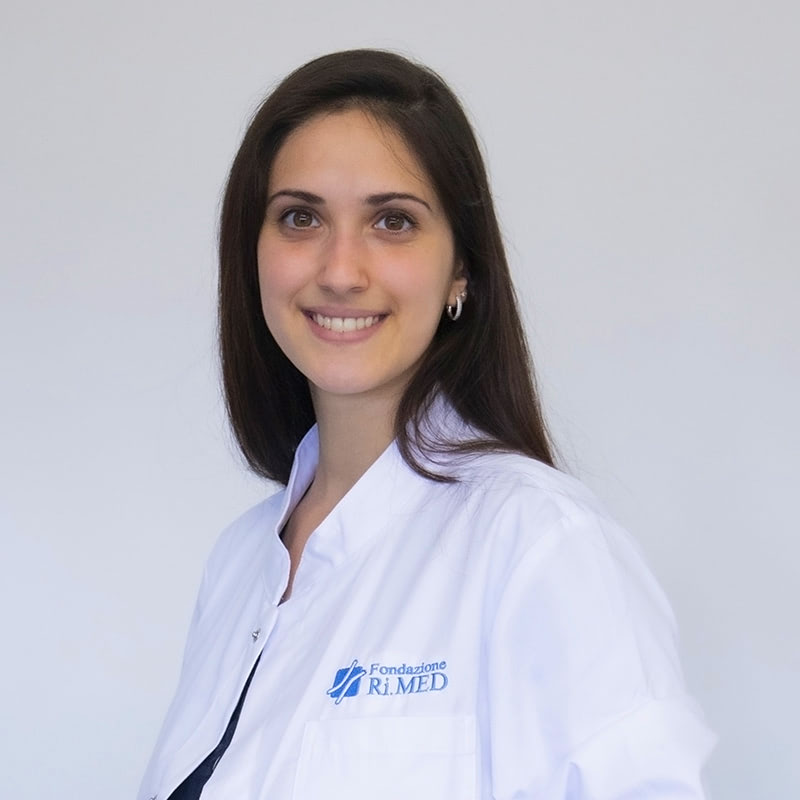
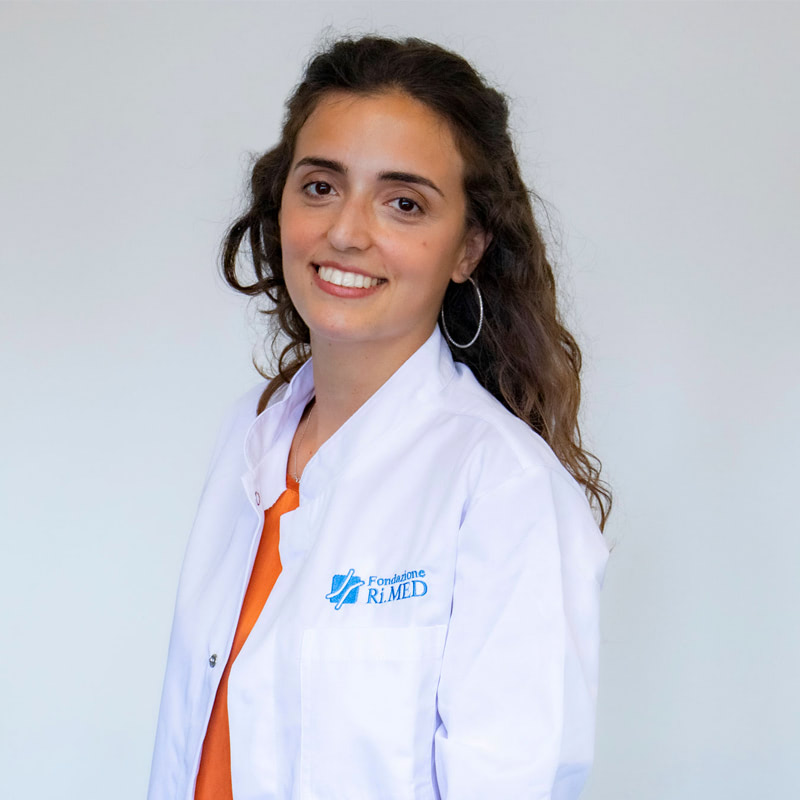
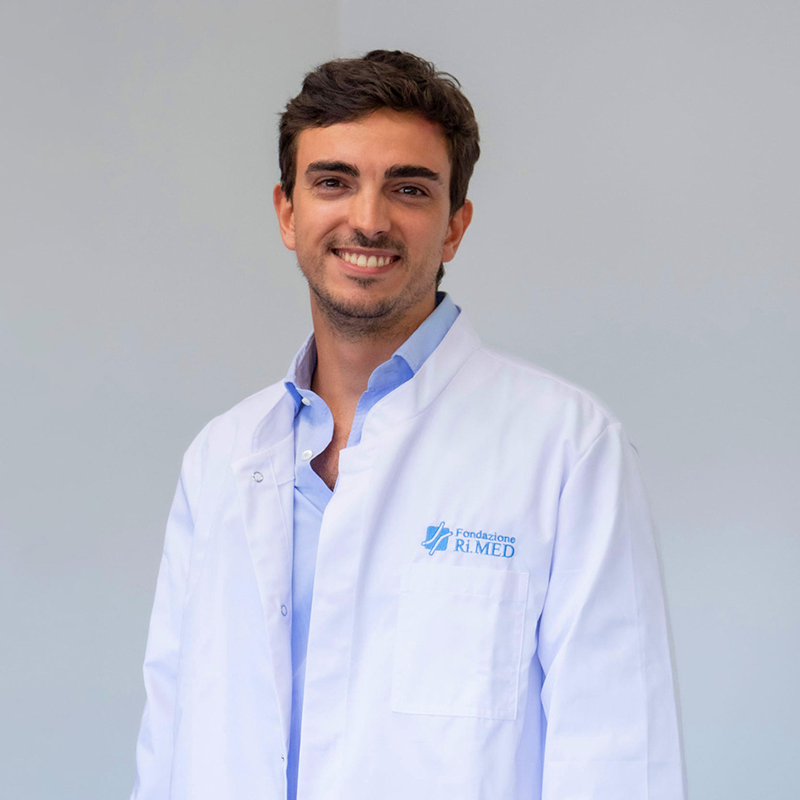
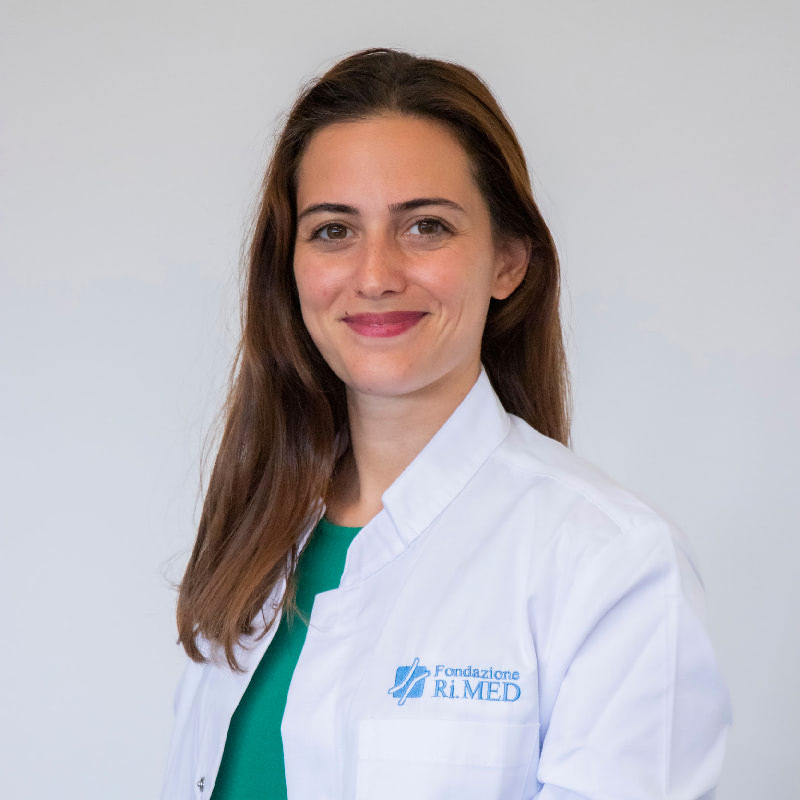
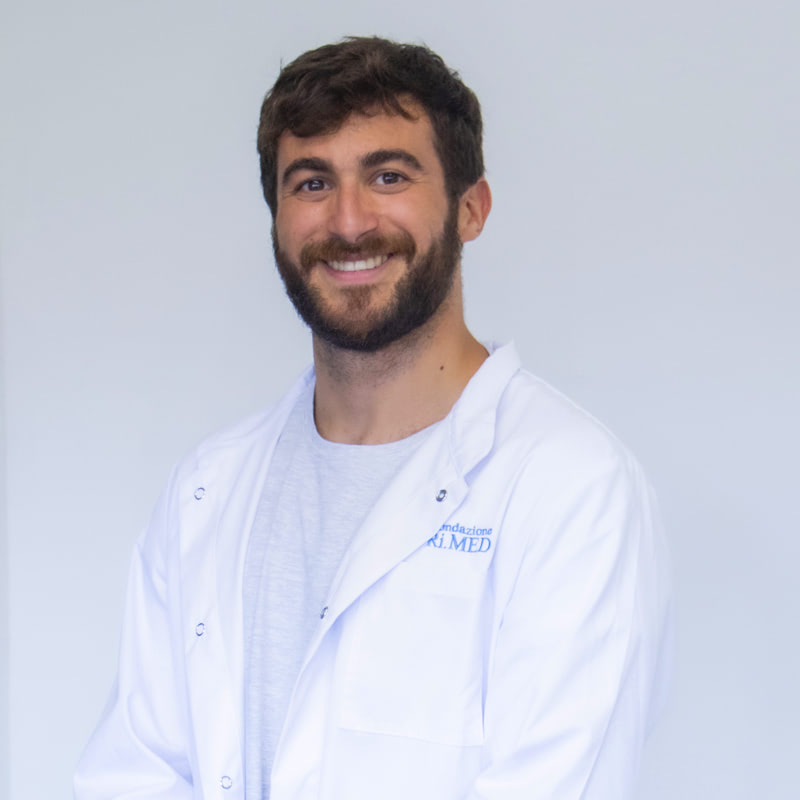
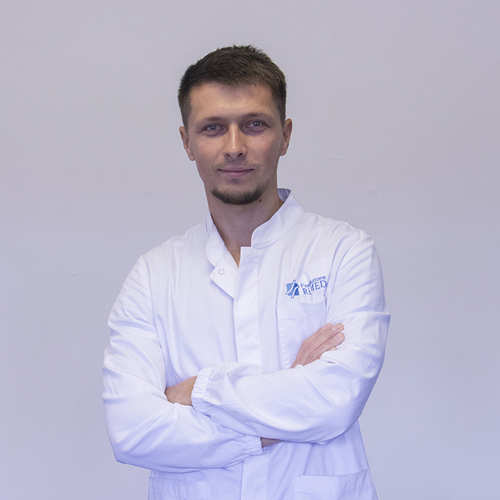
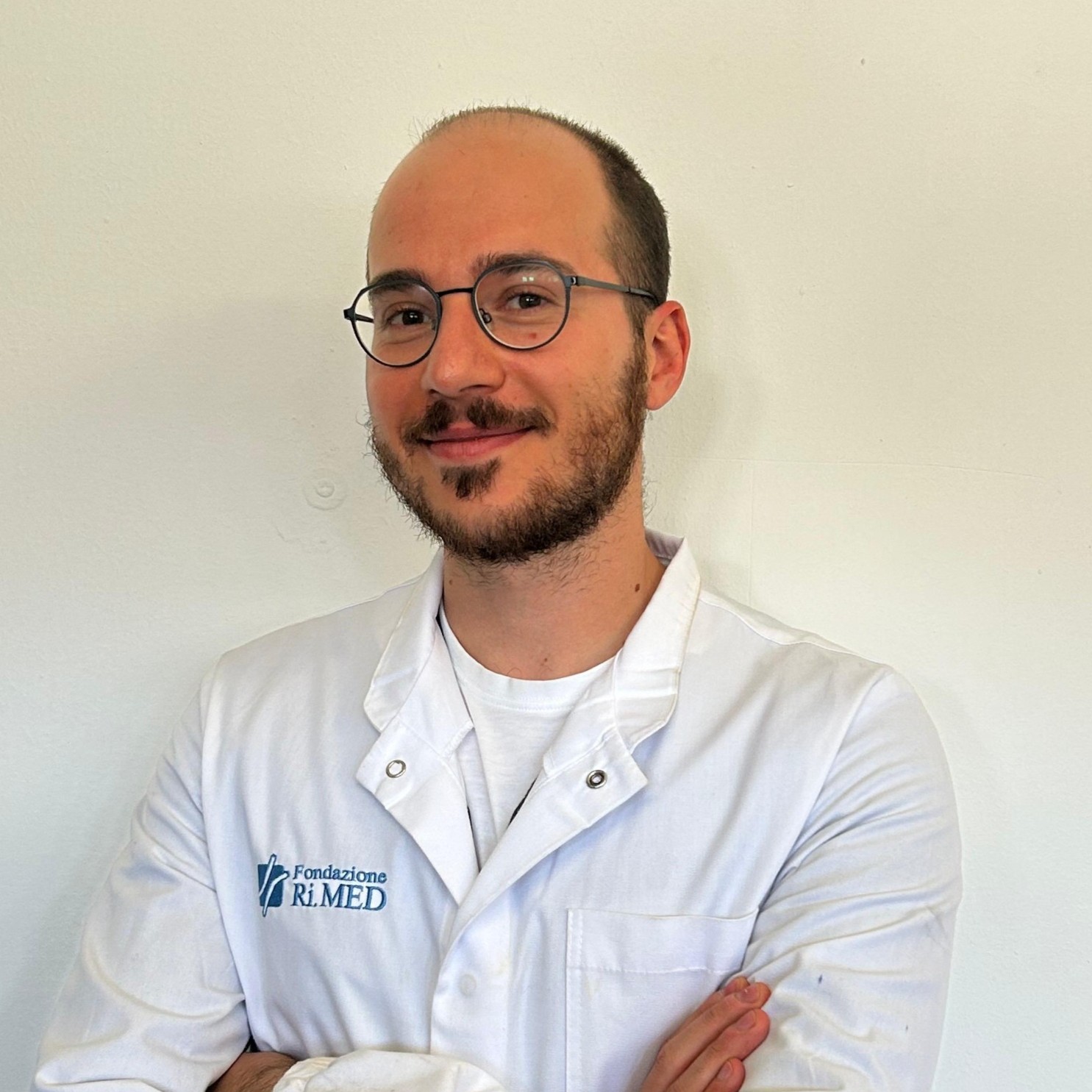
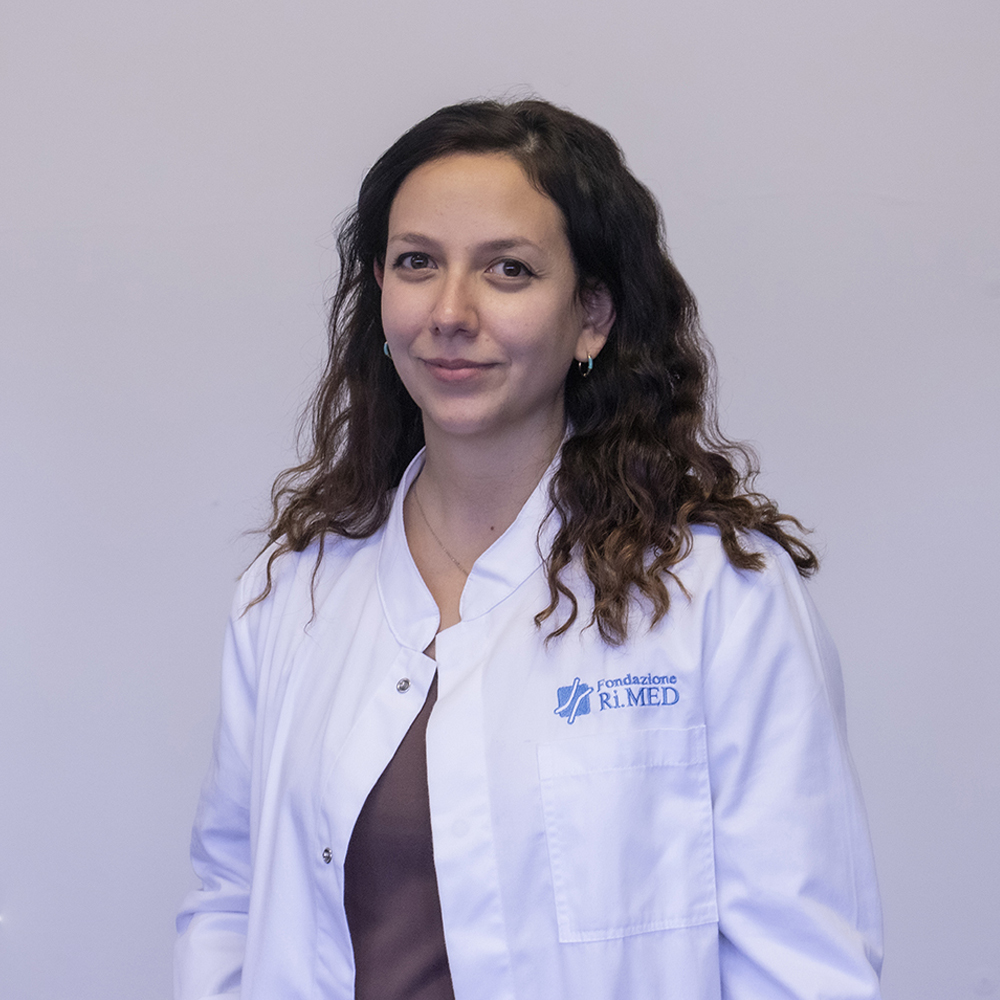
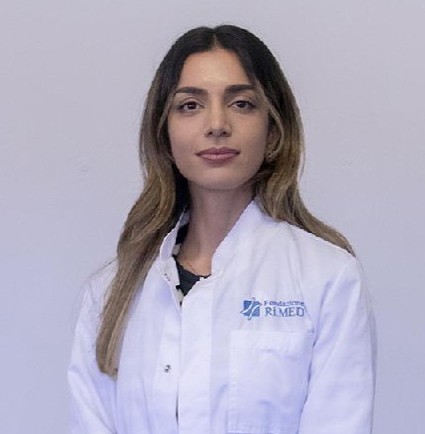
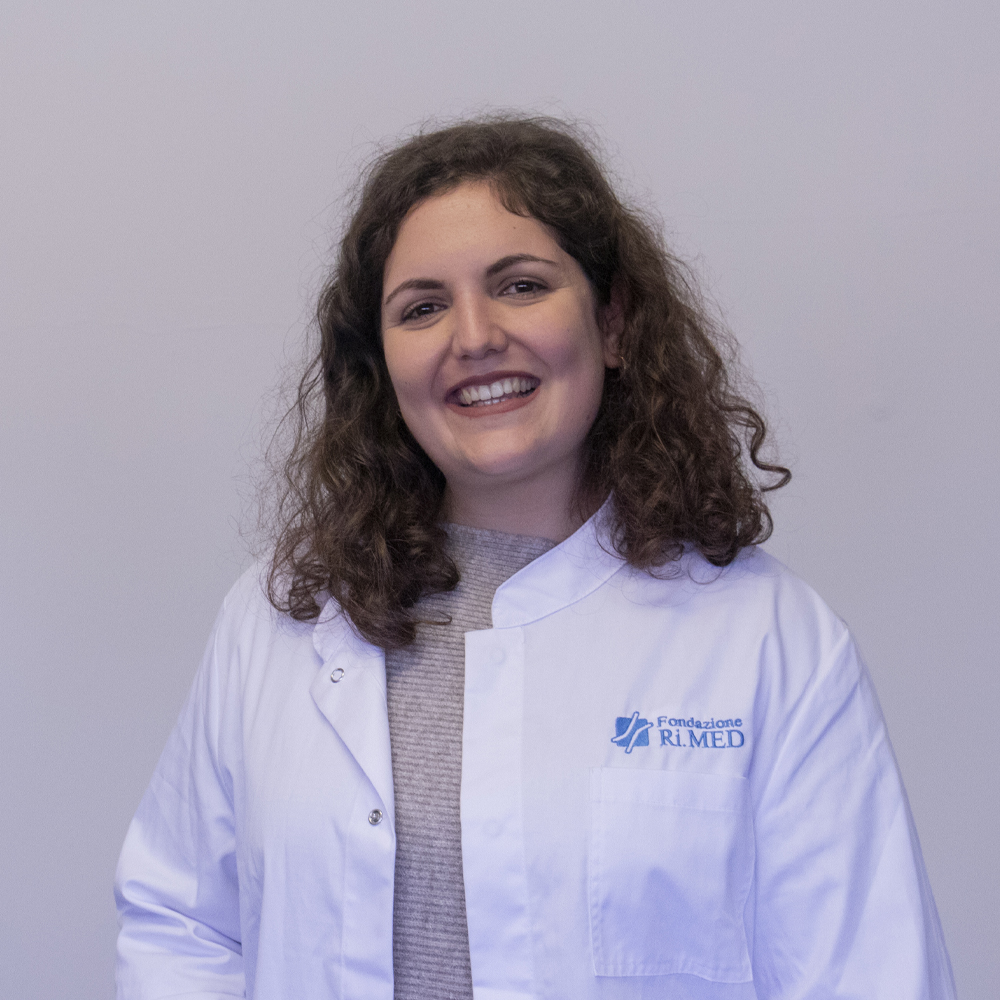
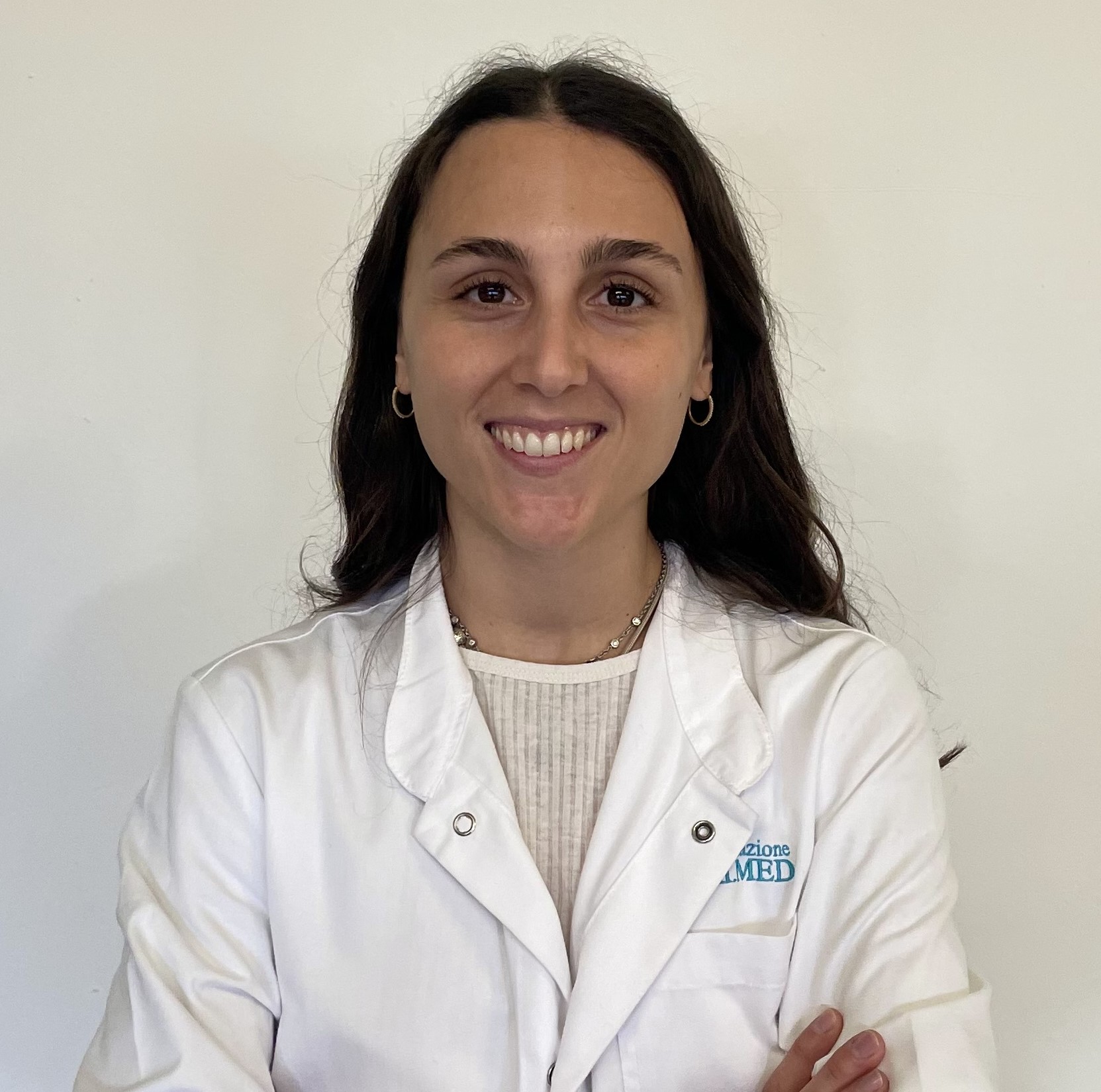
Patrizia Caruso, PhD
Specialist in mechanical and microstructural characterization of materials and tissues
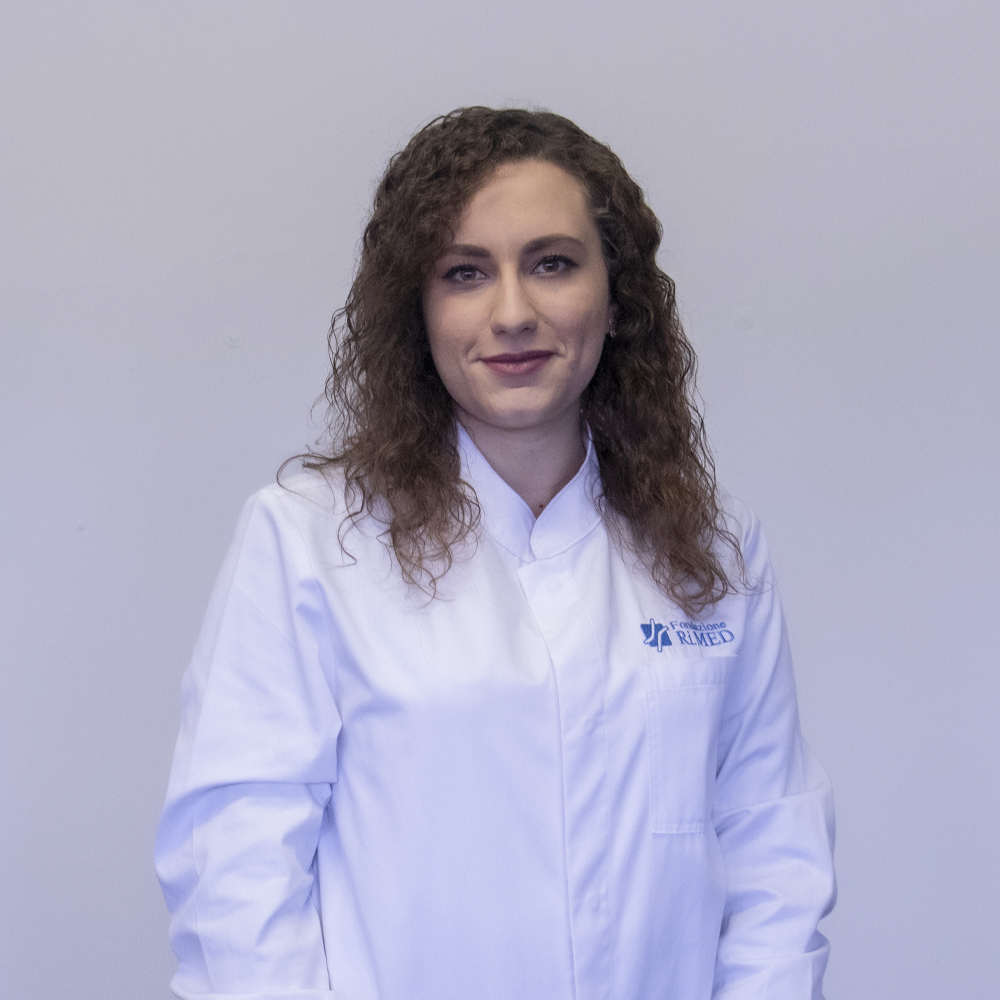
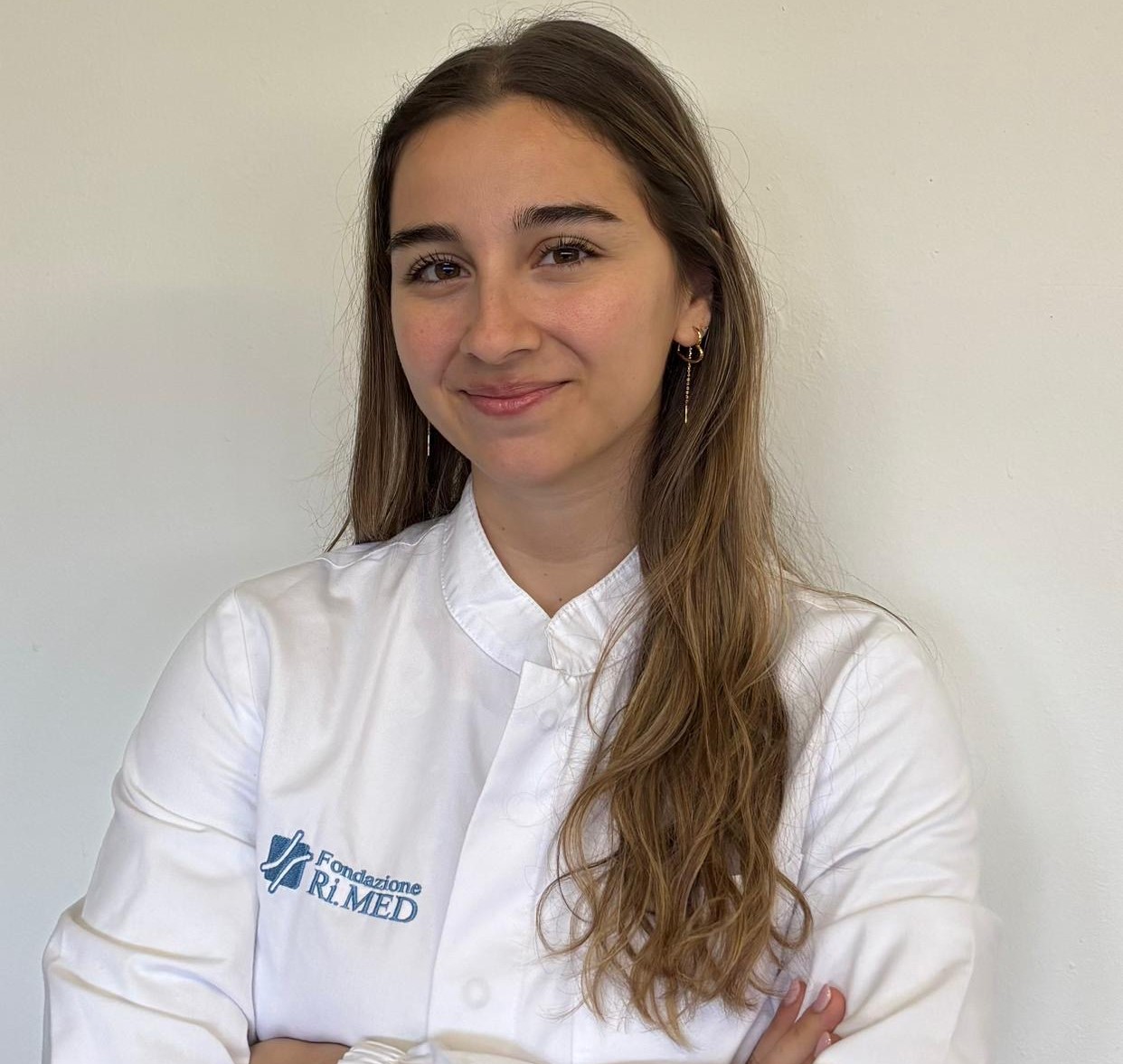
Enrica Romano
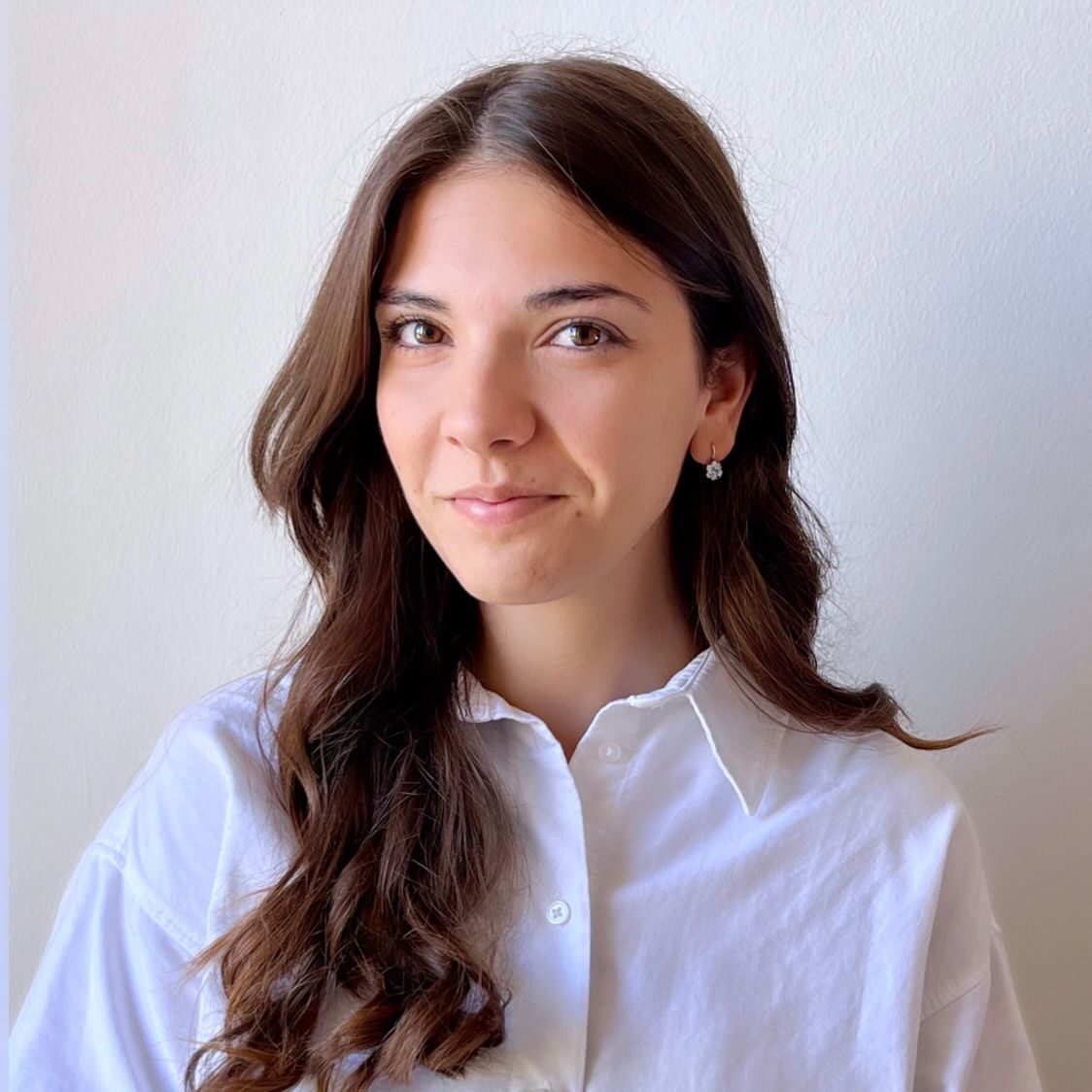
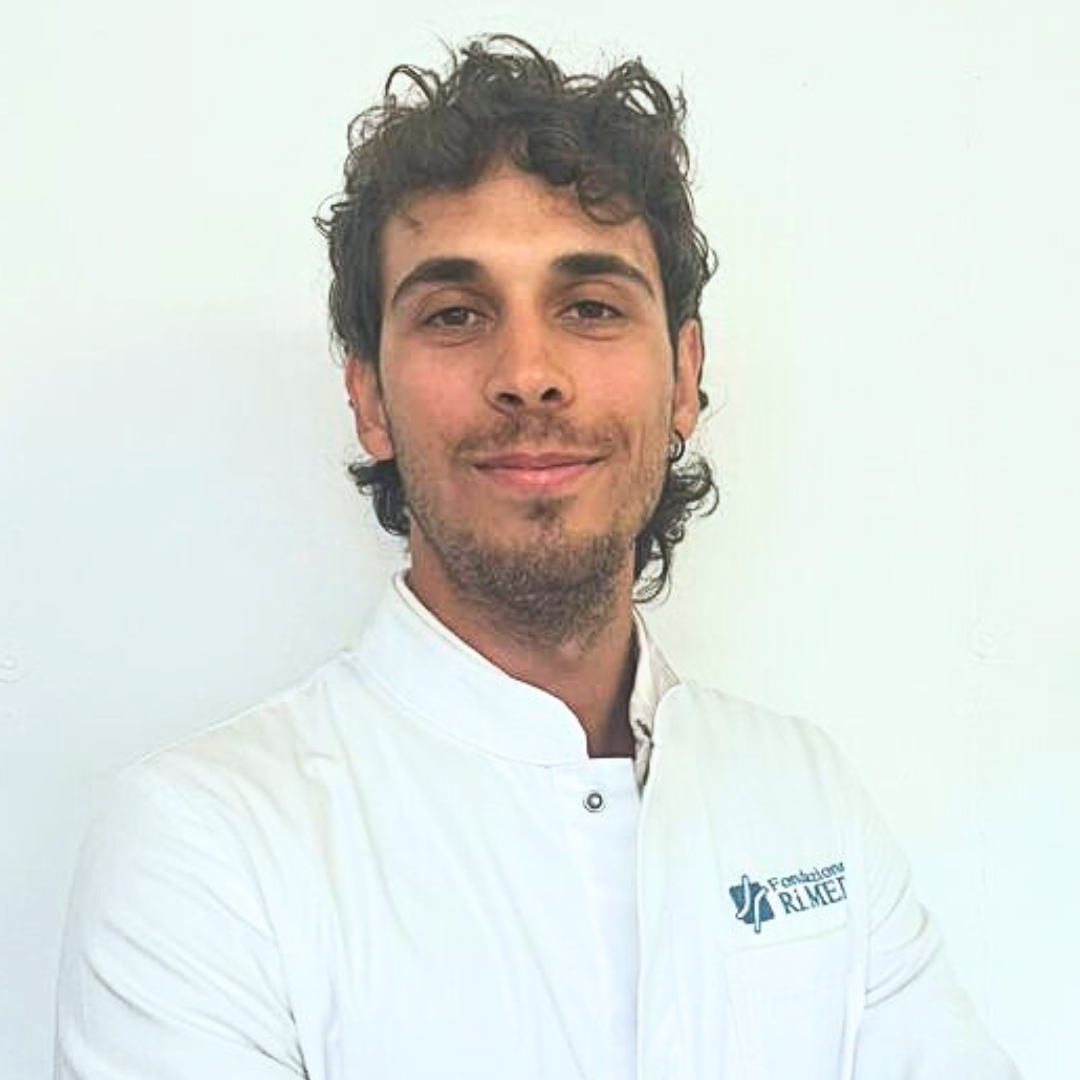
Ph.D. Student in Chemical, Environmental, Biomedical, Hydraulic, and Materials engineering
ALUMNI
Post. Doctoral / Senior scientists
- Dr. T. Dursun Usal, 2024-2025, Ri.MED Foundation, Research Fellowship in Tissue Engineering expert in Numerical Met;
- Dr. M. Barbuto, 2024-2024, Ri.MED Foundation, Scientist in Biofabrication;
- Dr J. Soto 2021-2024, Ri.MED Foundation, numerical modeling of engineered mitral valve leaflets and chordal apparatus, ERC-CoG BIOMITRAL.
Ph. D students
- M. Baccarella 2022 – 2026, (primary advisor) RiMED, University of Palermo and
University of Pittsburgh, Biofabrication methods and computational approaches applied to cardiovascular tissue engineering scaffolds and in-vitro models;
Undergraduate Master’s students
- Lorenzo Aloisio, 2026-present, PaxCat — Next-generation percutaneous cannula for minimally invasive surgery, Università degli Studi di Palermo
- Gabriele Giordano, 2025 -present, Numerical Model on Esophageal Graft, Università di Padova
- Marco Ricchiari, 2025-2026, Development of a three-dimensional, scale-independent software tool for the morpho-topological characterisation of native fibrous tissues and engineered scaffolds, Università di Padova
- A. Bouwen, 2024-2024, Evaluation of the effect of PANI inclusion in a bilayer-bio-hybrid
cardiac patch, University of Eindhoven; - B. Di Caccamo, 2023-2024, Three-layer vascular graft – optimization process, Politecnico di
Torino; - L. Di Nino, 2023-2024, Design and development of a minimally invasive deployment system, University of Palermo;
- E. Provenzano, 2023-2023, Computational Fluid Dynamic Analysis of a new Mitral Valve
prosthesis; - A. Cardella, 2022-2023, Processing optimization of 3D tissue engineered heart valve scaffold;
- S. C. Mencaroni, 2023-2023, University of Parma, Three-layer vascular graft – optimization
process; - G. Consiglio, 2022-2023, University of Palermo, Engineering a pressure control device for the intrahepatic stent shunt;
- M. Gallina, 2022-2023, University of Palermo, Biofabrication of conductive cardiac patches.
Undergraduate Bachelor’s students
- S. Dei Bardi, 2021-2022, University of Palermo, Italy; scaffold processing for cardiac patch and vascular graft;
- G. Polizzi, 2021-2022, University of Palermo, Italy; scaffold processing for cardiac patch and vascular graft;
Grants
- BIOMITRAL – Engineering the mitral valve: bioinspired control of structure and function for enhanced in vivo performance
- BioChord: chordae tendineae bioingegnerizzate per riparare e rigenerare le valvole cardiache
- HemoStratum – Development of a bioengineered basement membrane to enhance the performance of blood-contacting devices
- Stenosi esofagea benigna e maligna, un approccio innovativo per affrontare un bisogno clinico non soddisfatto: una protesi esofagea bioibrida in polimero – matrice extracellulare, a rilascio di farmaci, in grado di fornire un supporto meccanico sostenuto, prevenire attivamente la restenosi e indurre la rigenerazione tissutale costruttiva
Projects
- Native/Engineered Tissue Image-Based structural and histopathology Analysis (NET-IBA)
- Bioreactors for Enhanced Extra Cellular Matrix elaboration (BE-ECM)
- Native/Engineered Tissue numerical models for Mechanics and Tissue Growth (NET-MTG)
- Tissue engineered cardic patch (TECP)
- Tissue Engineering Heart Valve (TEHV)
- Tissue Engineered Vascular Graft (TEVG)