
Piattaforma di Ingegneria Tissutale
Description
The Tissue Engineering program aims to maintain a world class and financial sustainable tissue engineering platform at Ri.MED with a focus on clinical translation. The interest of this research platform is upon clinical applications where few effective solutions exist, with an emphasis upon unmet clinical needs in cardiovascular diseases. The bioprocessing and tissue engineering core platform offer disruptive tools for prototyping and assessing scaffold and biomaterials for tissue engineering applications. The platform aims to address a broad spectrum of needs within the IRCCS-ISMETT, UPMC Italy and Ri.MED cluster as well as supporting existing and prospective collaborative efforts with investigators at the McGowan Institute, and Pittsburgh departments of bioengineering and surgery.
Expertise
- Material biofabrication including: polymer, gel, metal and cell printing; near and far field electrospinning (ES); electrowriting (MEW); double component deposition (DCD);
- Polymer and gel synthesis;
- Decellularization of organs and tissues;
- Physical, and chemical characterization of native and engineered tissues;
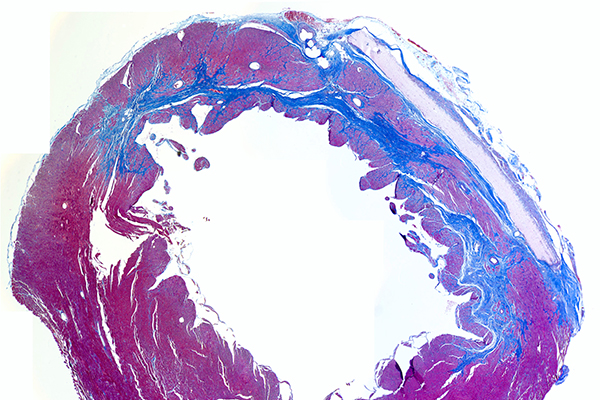
- Qualitative and quantitative histological evaluation of native and engineered tissues;
- Controlled drug release;
- In silico and in vitro mechanobiology models;
- Structural deterministic models for tissue growth and scaffold degradation;
- Pre-clinical evaluation in small and large animal models;
- Numerical simulation of physiological systems and their integration with medical devices;
- FDA class II and III medical devices prototyping and assessment.
Technologies
BIOFABRICATION
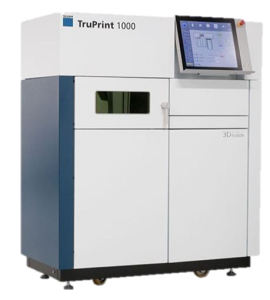
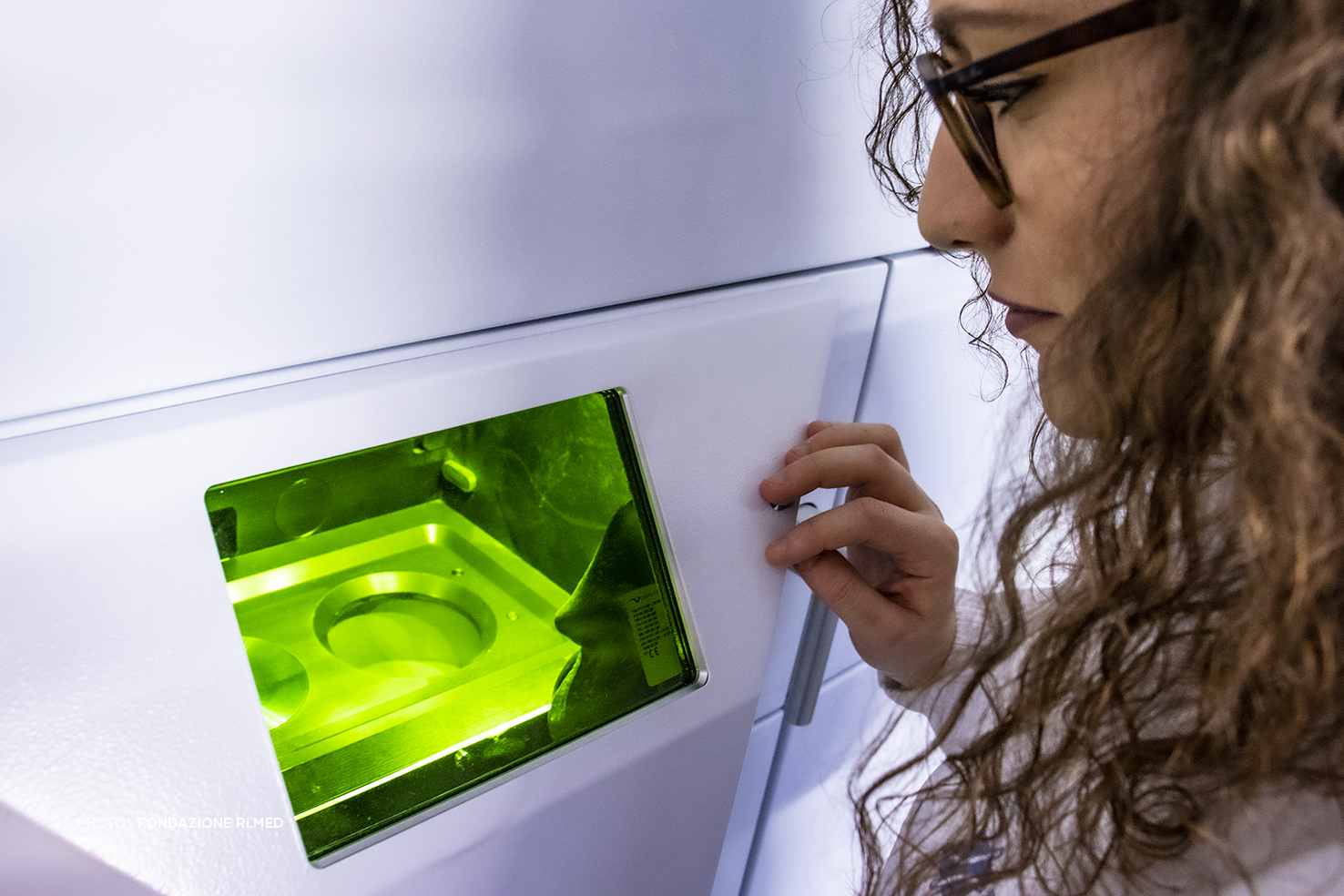
TRUMPF TruPrint 1000
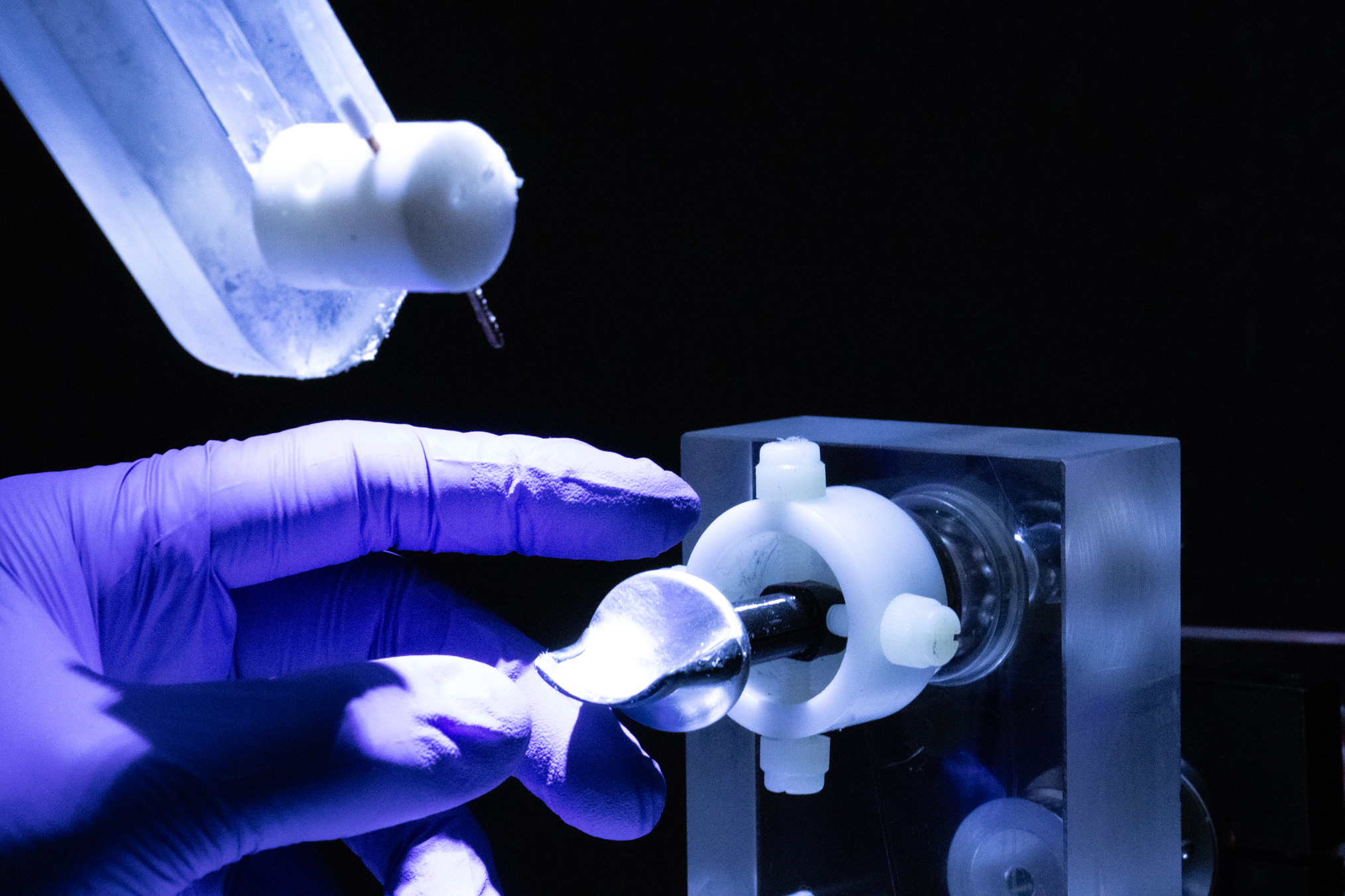
The metal 3D printing system is based on Laser Powder Bed Fusion (LPBF) technology, which allows for the highly precise manufacturing of intricate metal components for engineering and biomedical uses.
EnvisionTEC P4K
The high-resolution 3D printer is utilized for the micrometer-precision printing of components in biofabrication applications.

Advanced Solutions BioAssemblyBot
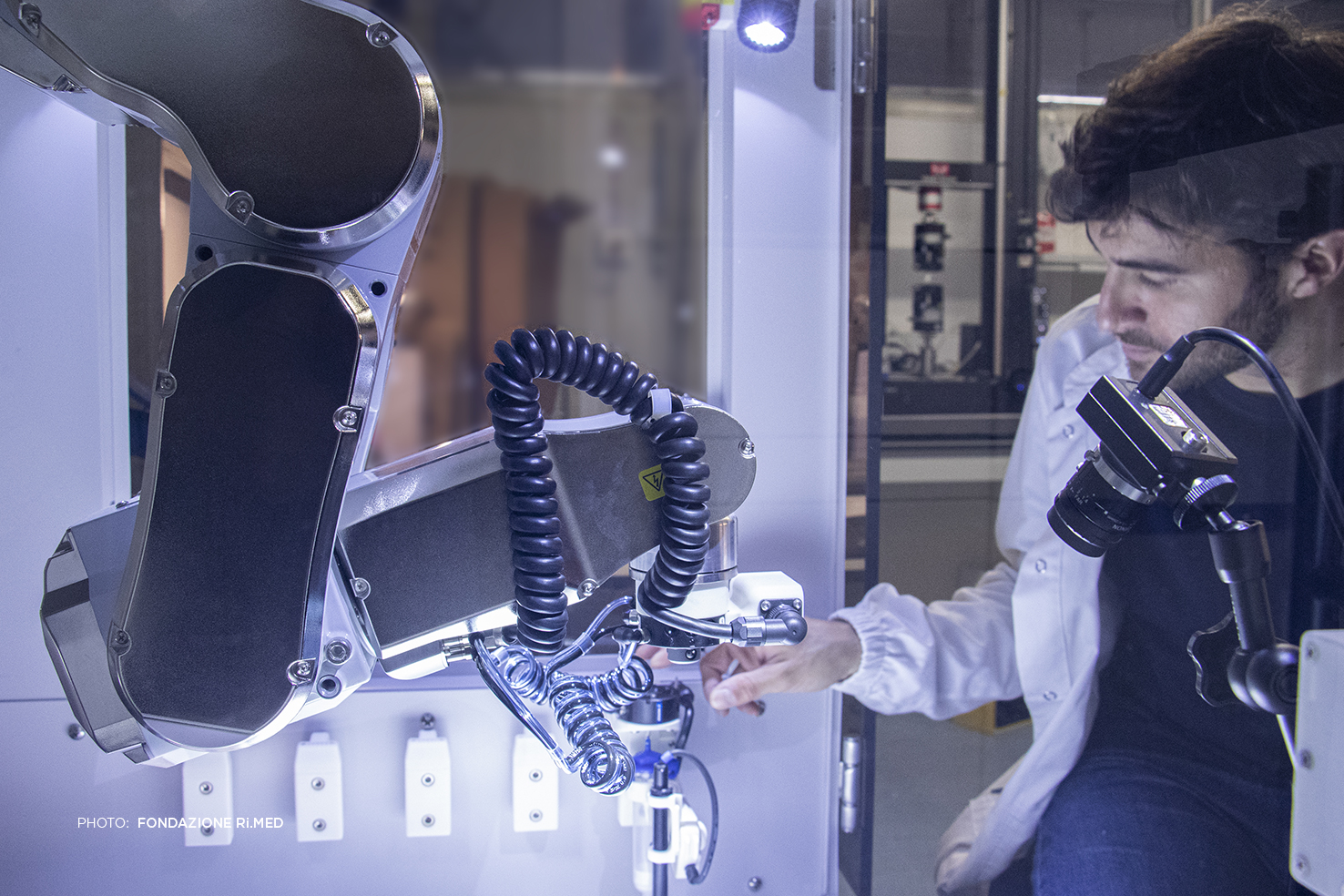
This is a modular robotic biofabrication platform that supports the use of various tools depending on the application. These include thermoplastic polymer fusion printing, hydrogel printing, UV-curable material deposition, electrodeposition, and other advanced fabrication techniques.
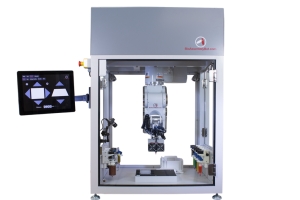
Custom-made electrospinning device
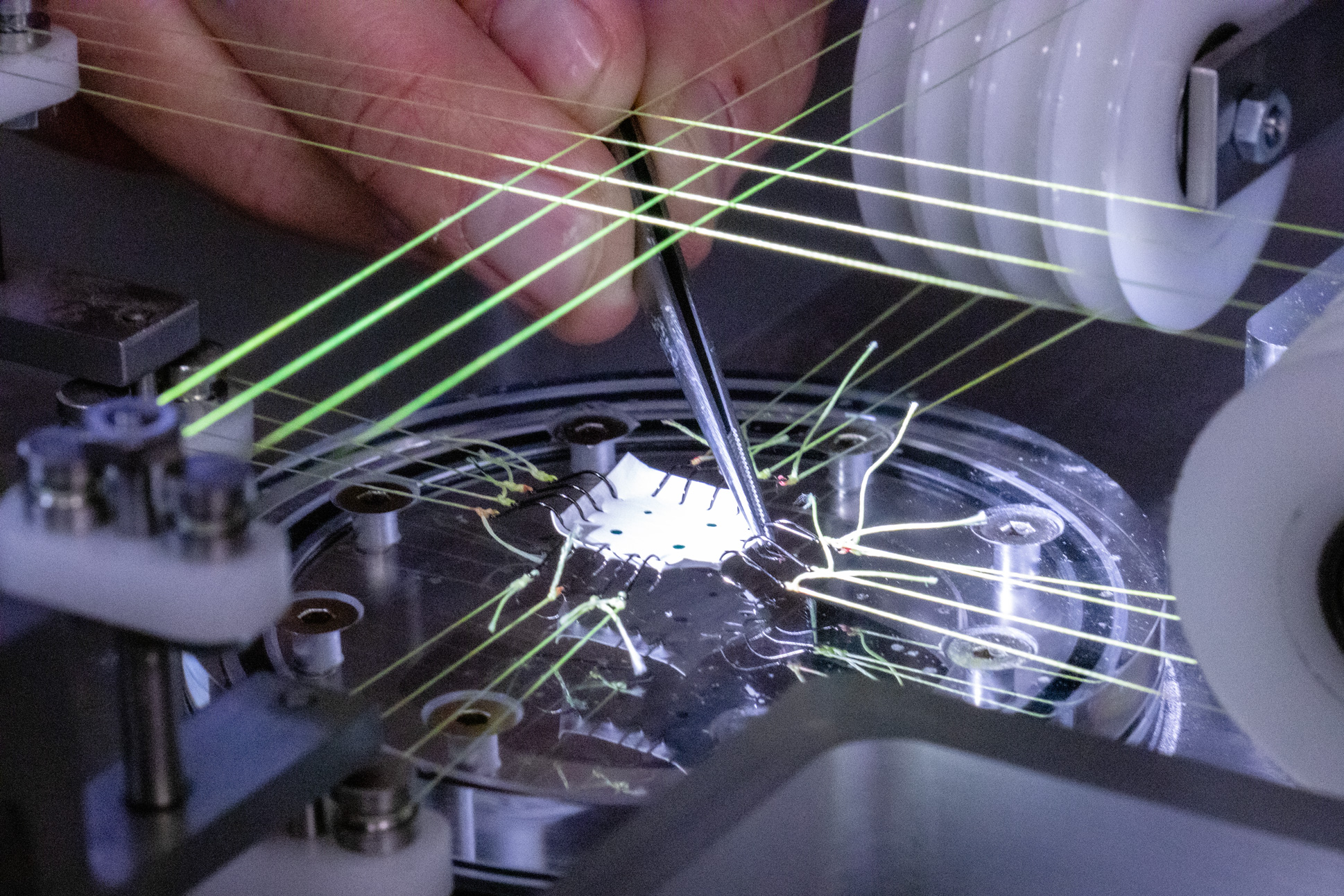
Setups have been developed and custom-built over the years for the production of specific electro-spun devices for cardiovascular applications. These setups have been designed to meet the needs of various research projects.
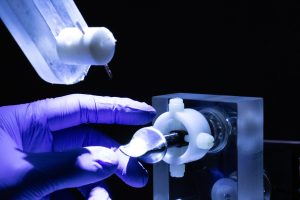
MICROSCOPY
Nikon optical microscope Stativo ECLIPSE Ts2R-FL
The optical microscope is an instrument that allows users to observe very small objects. To produce a magnified view, the microscope directs visible light—which passes through or is reflected by the sample—through one or more lenses. The resulting image can be viewed directly with the naked eye, recorded on photographic film, or captured digitally.
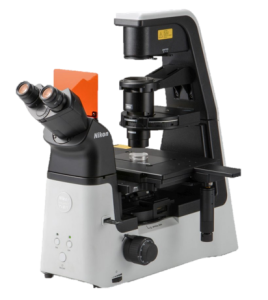
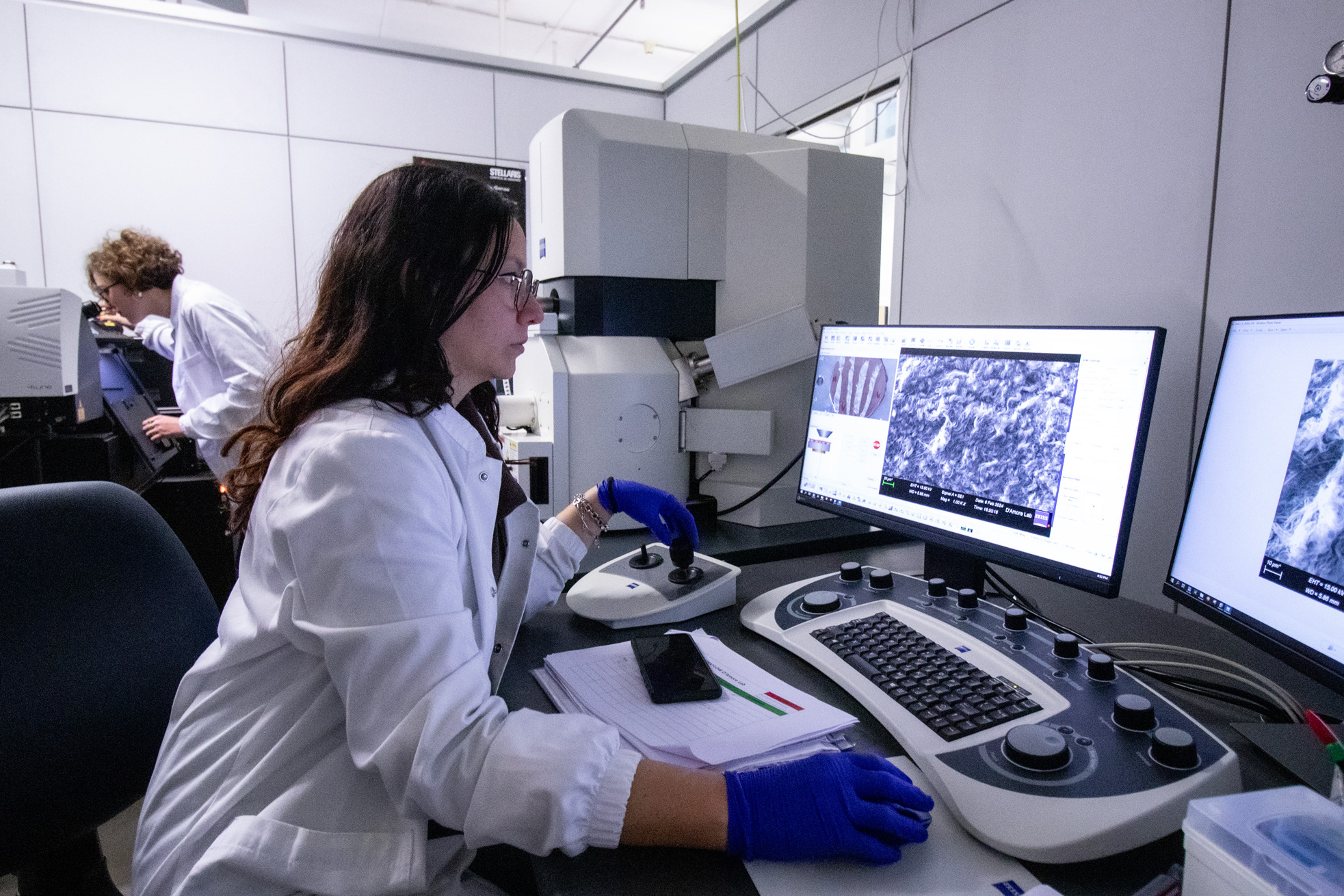
ZEISS EVO 10 Scanning Electron Microscope
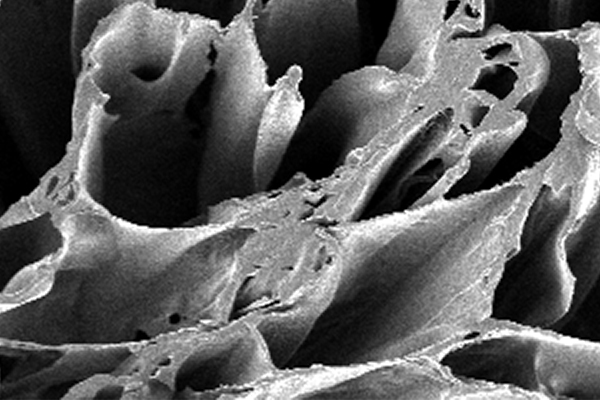
The ZEISS EVO 10 Scanning Electron Microscope enables high-resolution characterization of surface morphology and microstructures. The instrument provides resolutions down to 2–3 nm and a magnification range from 5× to 1,000,000×. It operates in both high vacuum and variable pressure (VP) mode, allowing the analysis of conductive and non-conductive samples, including biological specimens, with minimal sample preparation.
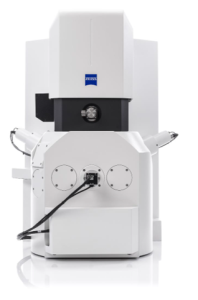
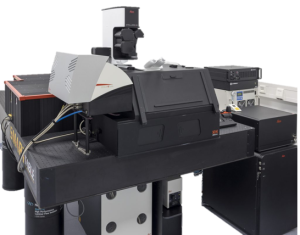
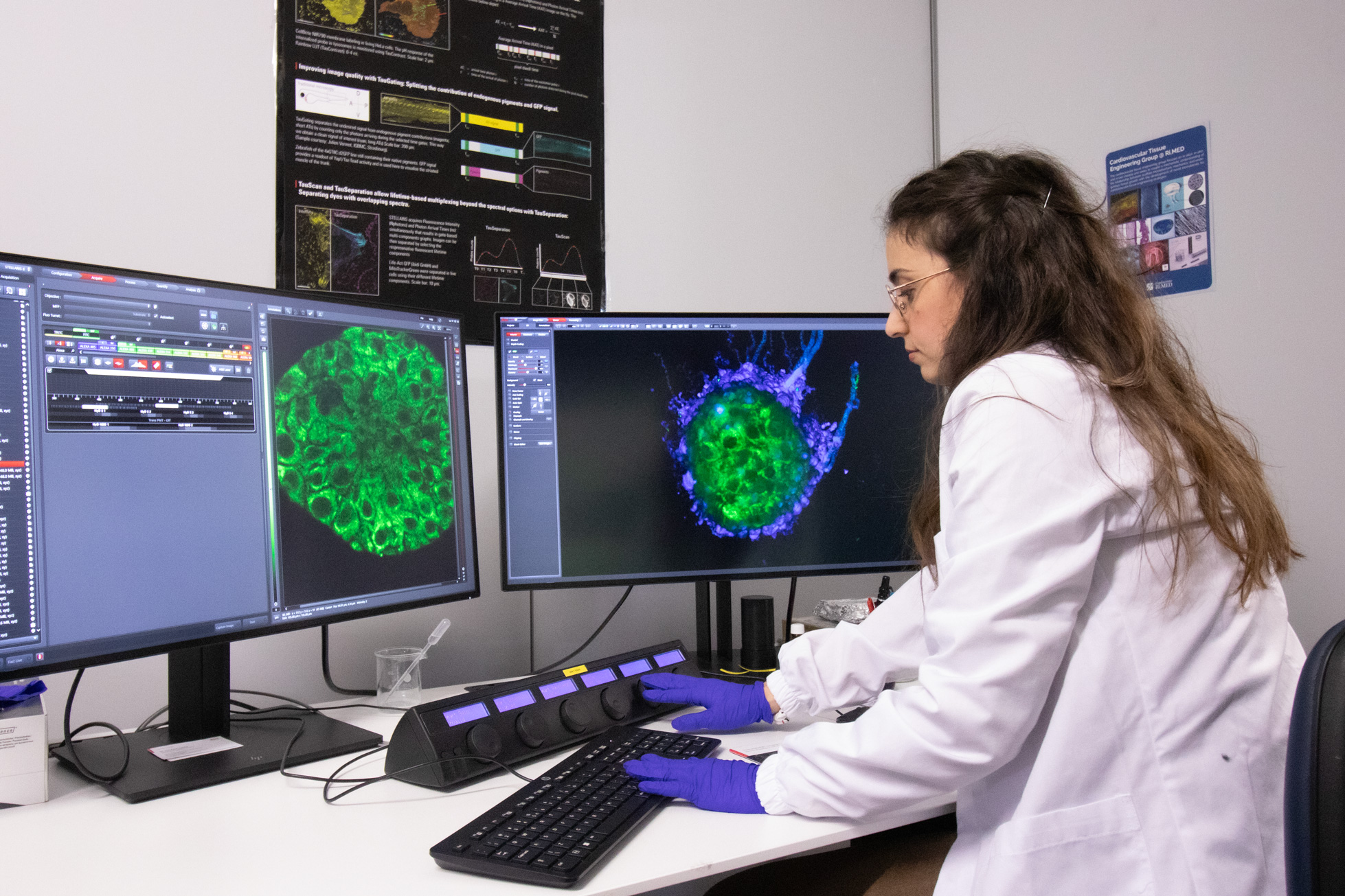
LEICA Stellaris DIVE 8 Multiphoton
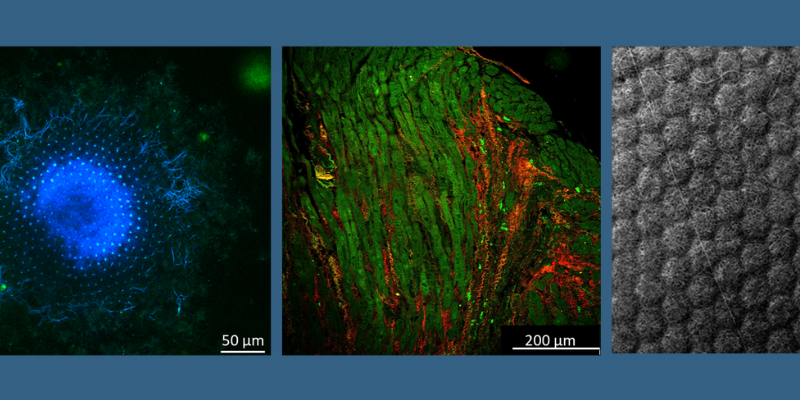
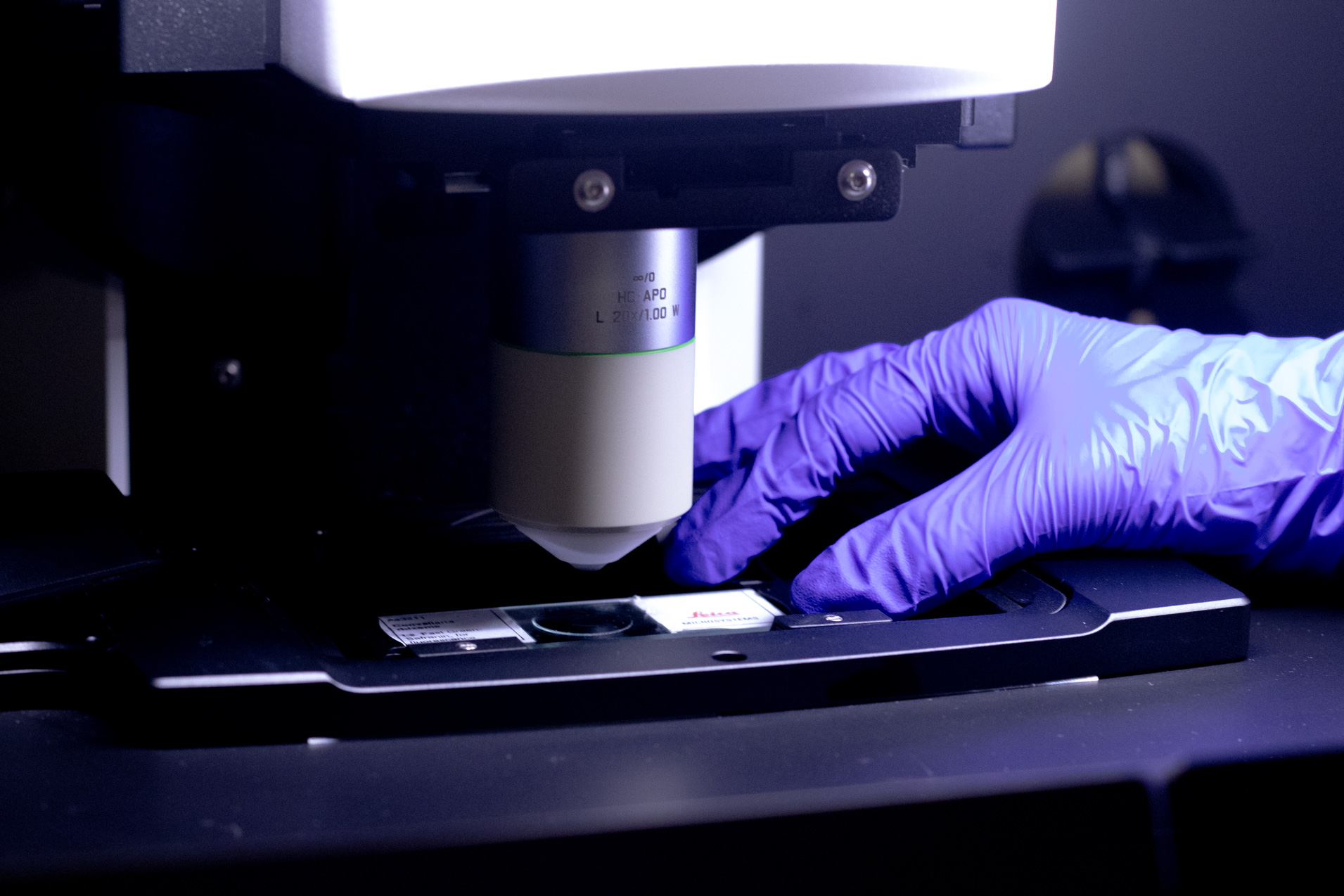
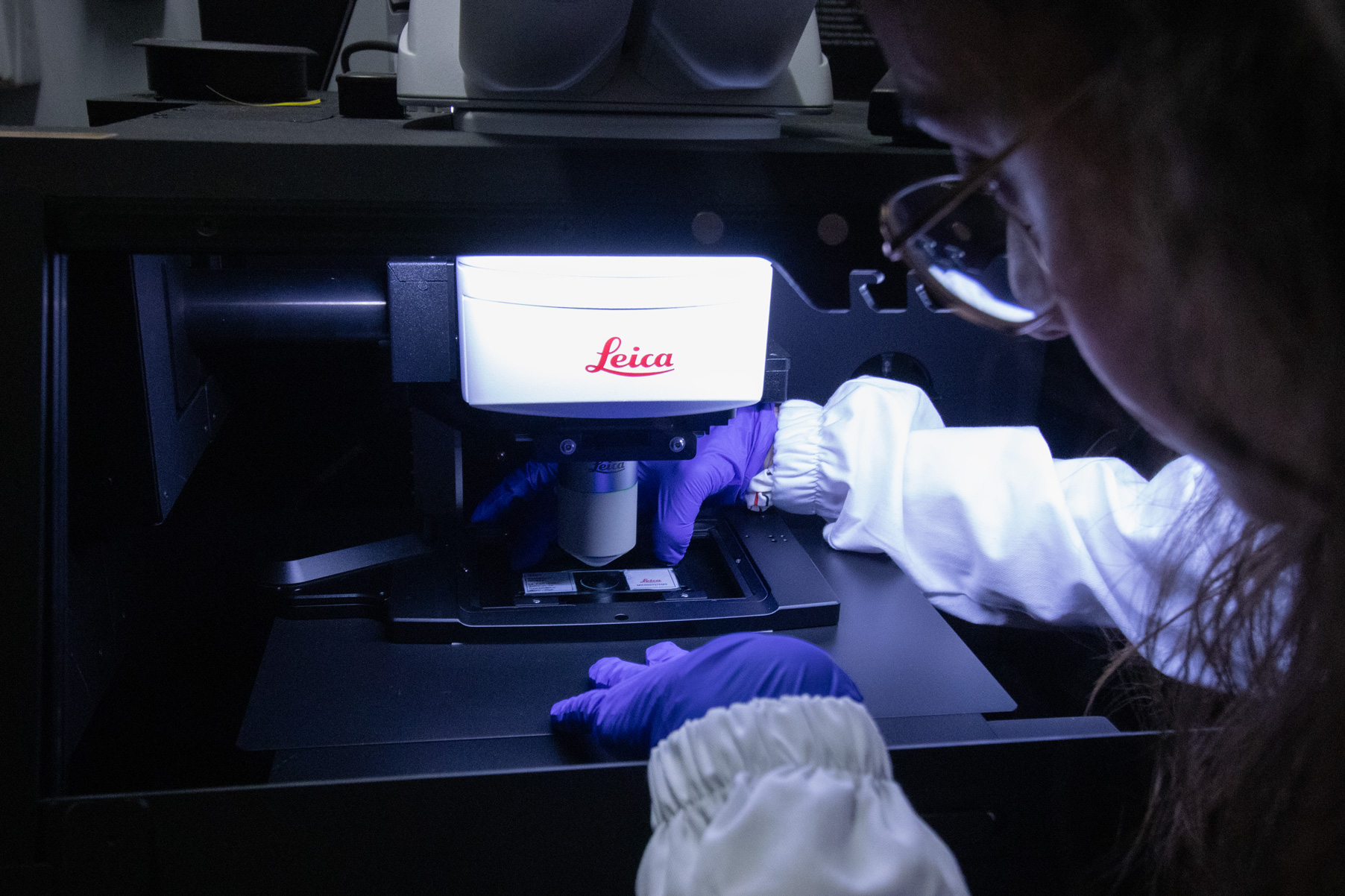
The Leica STELLARIS DIVE multiphoton microscope is designed for deep three-dimensional imaging of complex biological samples. The system integrates spectrally tunable non-descanned detectors (4Tune) that allow simultaneous detection of multiple spectral bands for high-sensitivity multicolor imaging. The detection window covers the 380–800 nm range with high spectral precision, enabling advanced studies of biological and human tissues, and three-dimensional cellular models.
MECHANICAL CHARACTERIZATION
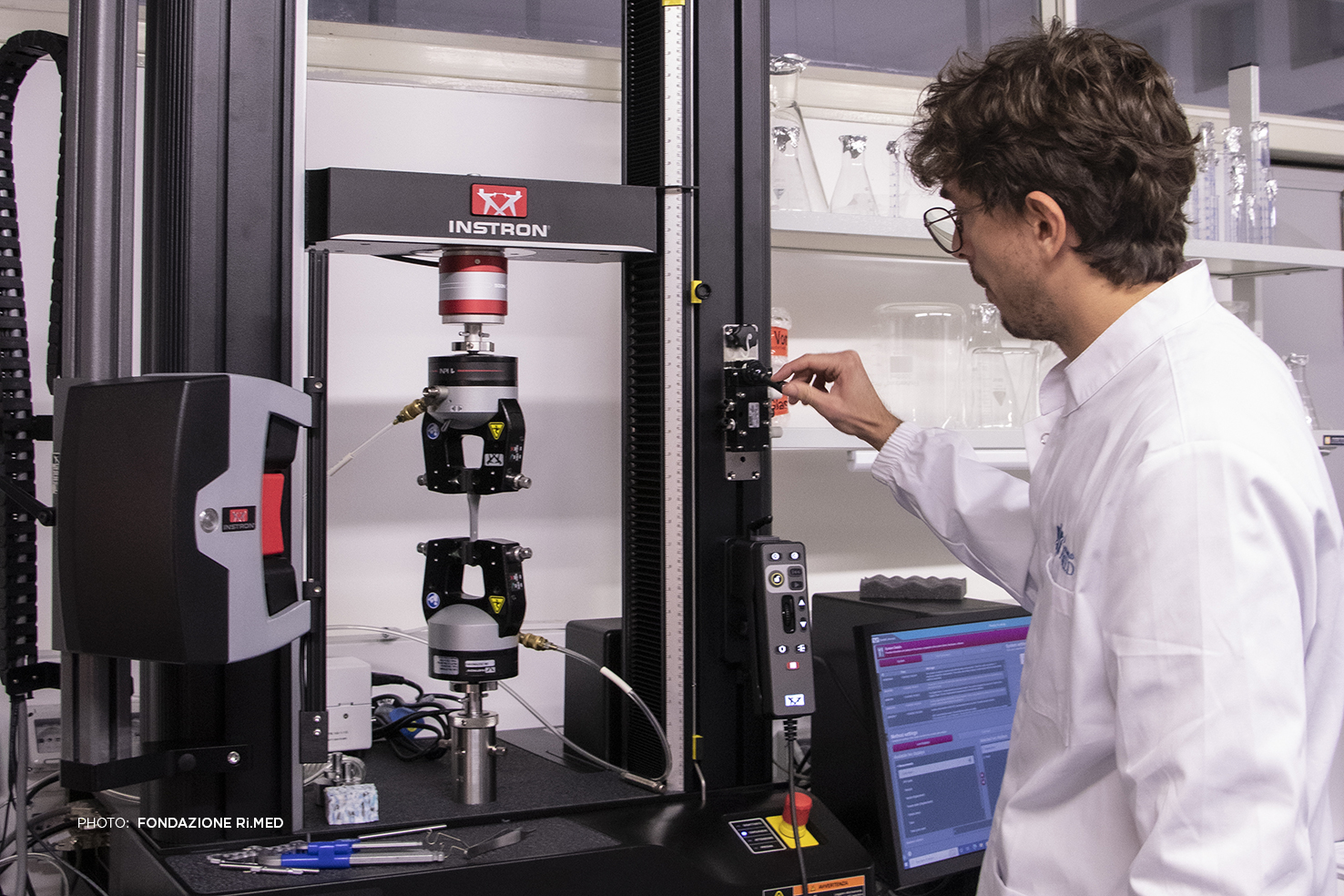
INSTRON UNIAXIAL 68 TN10
The INSTRON UNIAXIAL 68 TN10 is a device used to perform uniaxial tests. This destructive test is a standardized method for evaluating the maximum stress that the test specimens can withstand. The primary objective is to measure the strength and elasticity of the specimens under tensile forces. The following parameters are used to evaluate the test: The following parameters are to be considered: Young’s modulus, maximum stress (tensile strength), strain, and point of failure.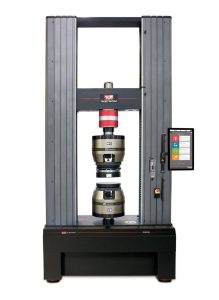
Custom-made biaxial
The biaxial device consists of an X-shaped basin, two load cells, two motors, and axes. The design of this apparatus is intended to apply a mechanical load in two directions to a square sample of material. A Lagrange equi-stress control protocol with a maximum load is adopted to induce physiologically relevant strain levels. Biaxial tests are essential for characterizing anisotropic properties and investigating layer interactions under physiological and pathological loading conditions. 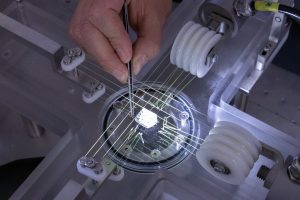
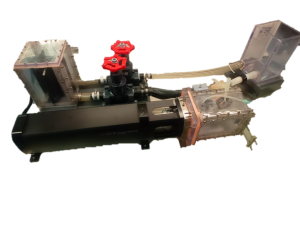
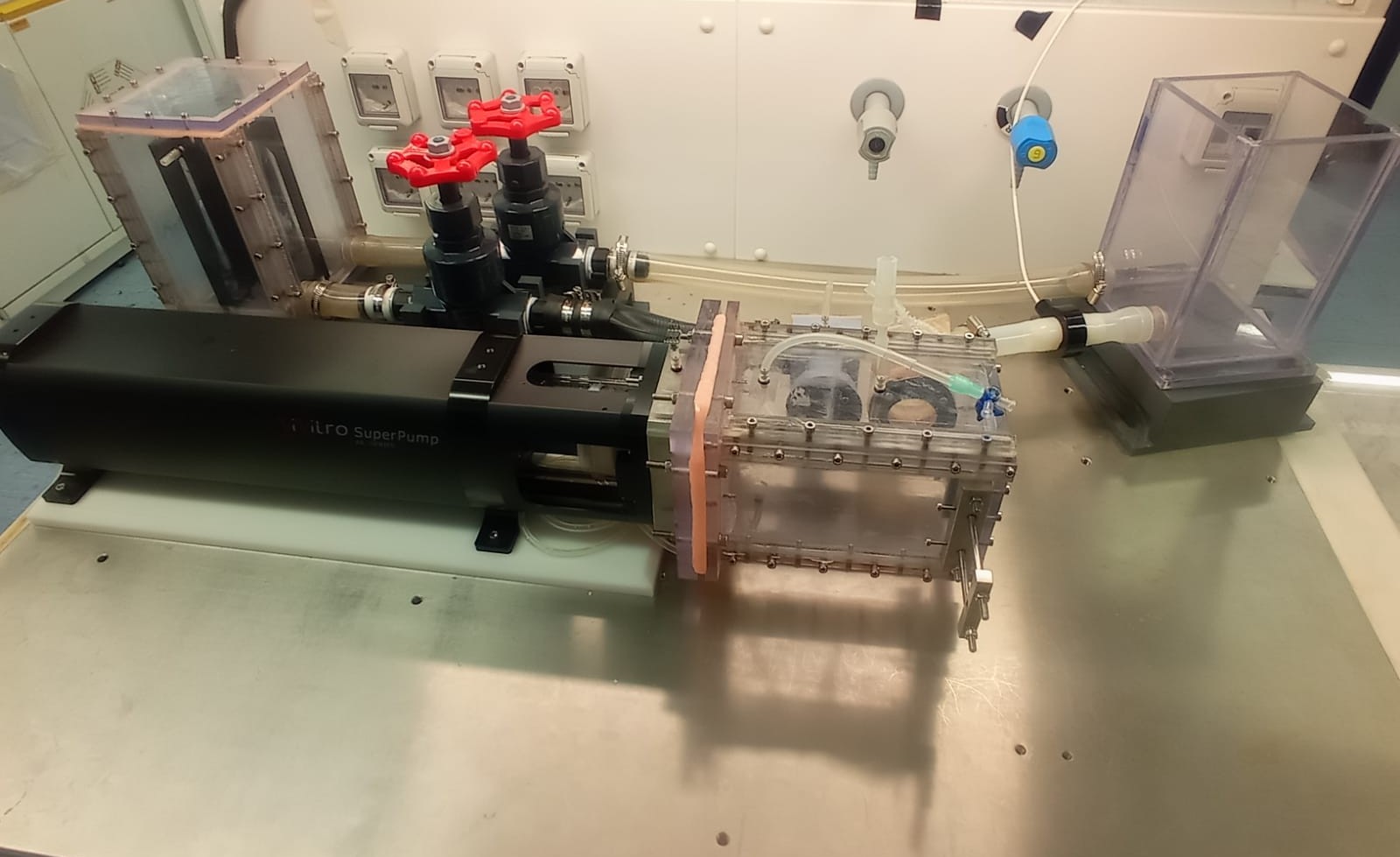
Custom-made pulsatile flow
The pulse duplicator is an in vitro cardiovascular testing system that reproduces the physiological conditions of the heart and circulation. It simulates pulsatile blood flow, pressure, and valve motion in a controlled laboratory environment. This allows researchers to evaluate the performance of prosthetic and native heart valves under realistic hemodynamic conditions. The system is widely used for device testing, validation, and comparative studies. It is an essential tool for cardiovascular research, innovation and education.
Contacts:
tissueengineering@fondazionerimed.com
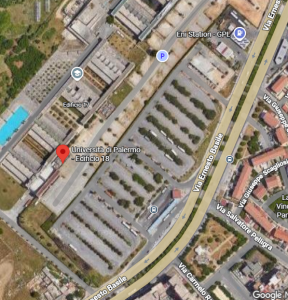
Viale delle Scienze Ed. 18/A
90128 Palermo, ITALY
Collaboration:
- University of Palermo, Palermo, Italy
- Advanced Technologies Network Center (ATeN Center), Palermo, Italy
- McGowan Institute for Regenerative Medicine (MIRM), Pittsburgh, USA
- University of Pittsburgh Medical Center (UPMC), Pittsburgh, USA
- The Mediterranean Institute for Transplantation and Advanced Specialized Therapies (ISMETT-IRCCS), Palermo, Italy
- Universidad Abierta Interamericana (UAI), Buenos Aires, Argentina
- Neoolife, Pittsburgh, USA
- TELEA BioTech, Sandrigo, Italy
- Columbia University Irving Medical Center (CUIMC), New York, USA
- Technical University of Munich, (TUM), Munich, Germany
- University of California Irvine (UCI), Irvine, USA
- Eindhoven University of Technology, Netherland
- Politecnico di Torino, Italy
- Università di Cagliari, Italy
- Policlinico di Milano, Italy
- École Polytechnique, Paris, France
- Campus biomedico, Rome, Italy
- Università Cattolica del Sacro Cuore, Roma, Italy
Progetti attivi