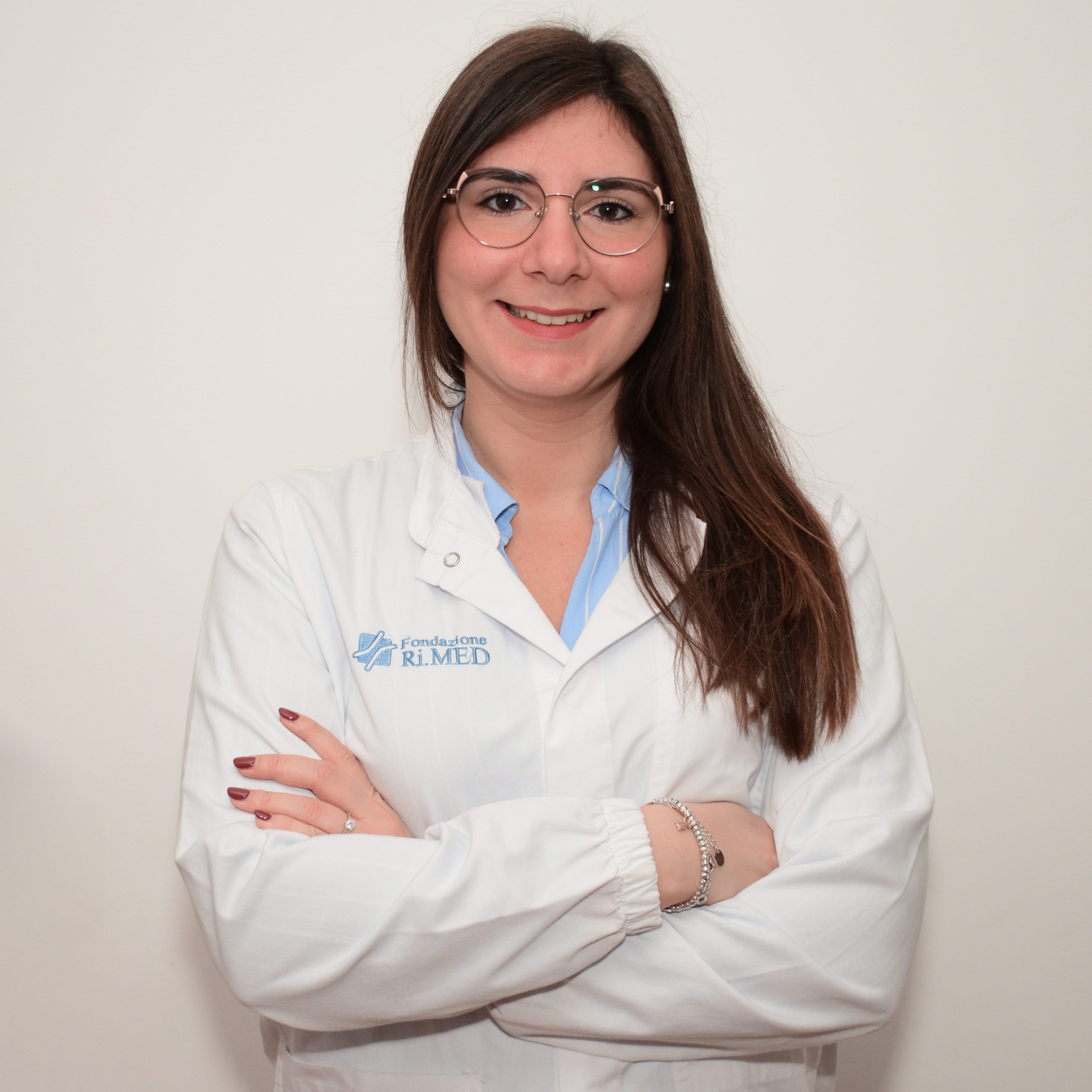
Chiara Cipollina, PhD
Group coordinator
ccipollina@fondazionerimed.com
Contatti:
Via Ugo La Malfa 153
90146 Palermo
ccipollina@fondazionerimed.com
Facilities:
Collaborazioni:
- IRCCS ISMETT (Italy);
- La Maddalena Spa (Italy);
- Istituto di Farmacologia Traslazionale (IFT)-CNR (Italy);
- Istituto per la Ricerca e l’Innovazione Biomedica (IRIB) – CNR (Italy);
- Dipartimento di Biomedicina, Neuroscienze e Diagnostica avanzata, Università Degli Studi di Palermo (Italy);
- Dipartimento di Ingegneria Chimica dei Processi e dei Materiali, Università Degli Studi di Palermo (Italy);
- Philipps-Universität Marburg (Germany);
- University of Pittsburgh (USA);
- Azienda di Rilievo Nazionale ed Alta Specializzazione Ospedali (A.R.N.A.S) “Civico Di Cristina Benfratelli” (Italy);
- Università degli Studi di Messina (Italy).
Description
We study innate immunity in lung diseases, both in chronic conditions caused by exposure to external insults such as cigarette smoke as well as in acute settings such as infections. Under homeostatic conditions, alveolar macrophages are the most abundant myeloid cells in the alveolar space and play a key role in orchestrating first line host defenses. Our research focuses on macrophage-associated immune responses. We are interested in studying how inflammasomes, caspases, and regulated cell death participate to inflammatory reactions in health and disease. In this respect, growing evidence suggests that fine-tuning cell death may provide a tool for treating chronic inflammation. In particular, we are interested in studying the impact of the pore-forming proteins gasdermins (GSDMs) on the surrounding inflammatory milieu. GSDMs are activated downstream of inflammatory and apoptotic caspases. Upon their activation, GSDMs move to the cellular membrane creating pores and allowing unconventional secretion of IL-1 family cytokines as well as of small damage-associated molecular patters (DAMPs). Recent evidence has shown that GSDMs can translocate to intracellular organelles such as mitochondria and endoplasmic reticulum and can be transferred to bystander cells via extracellular vesicles (EV). We are currently investigating the impact of GSDMs pore formation on the release of cytosolic proteins in human macrophages and how this affect cellular cross-talk, in particular with lung fibroblasts and neutrophils. We are also investigating the impact of gasdermins on mitochondrial health and macrophage immunometabolism as well as their role in propagating cell death and inflammation via EV, in cigarette smoke-associated inflammation. A key asset of our lab is the availability and the continuous set-up of new experimental models using human primary cells that we isolate from buffy coats and lung resections. These experimental models are also used as a tool for the development and validation of innovative biosensors for monitoring oxidative stress and inflammation within a consolidated collaboration with the Engineering Department at the University of Palermo.
Our Lab is currently hosted by the National Research Council of Palermo and hosts the Screening Lab of the Ri.MED Foundation Drug Discovery Unit.
Team
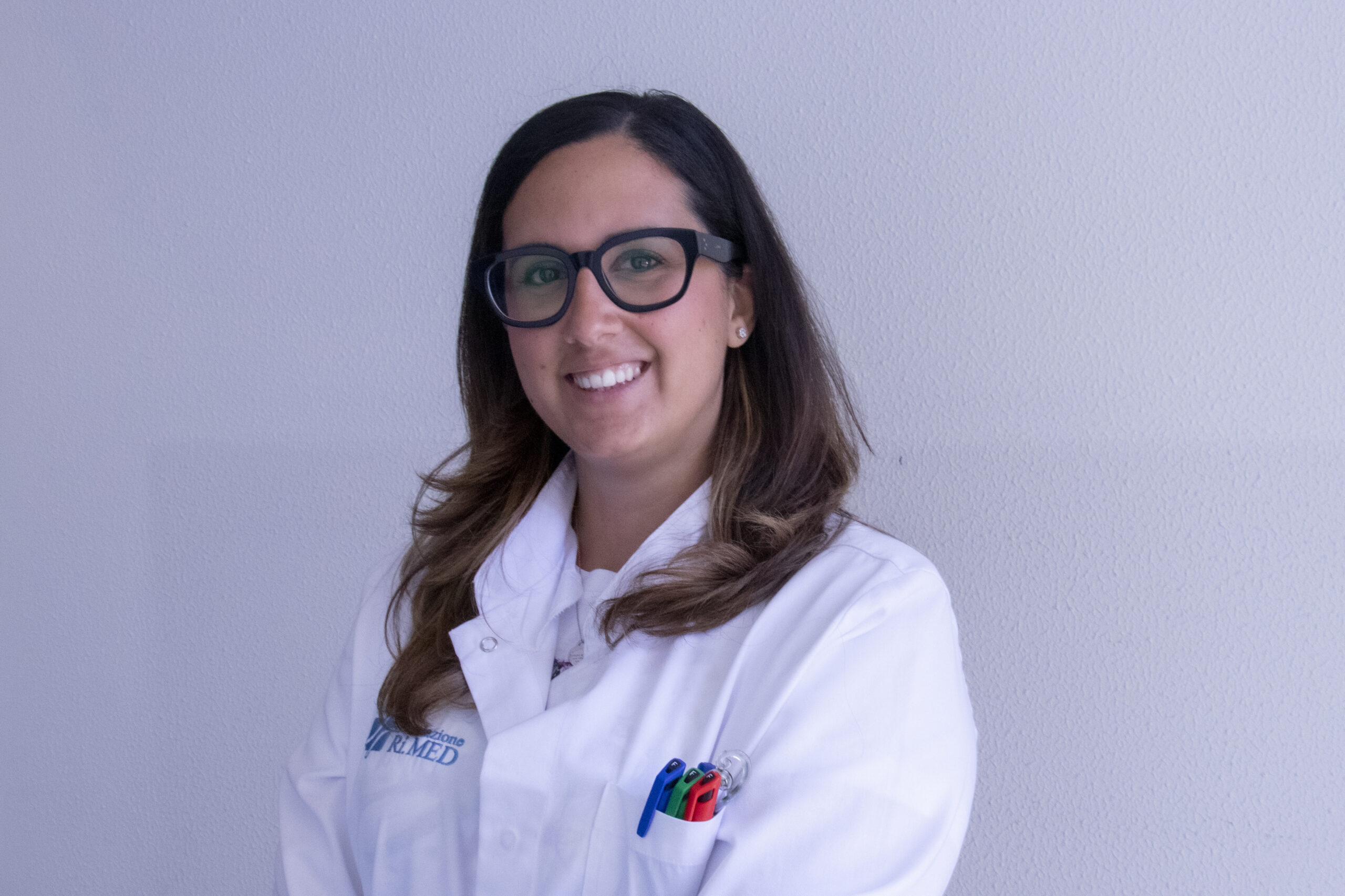
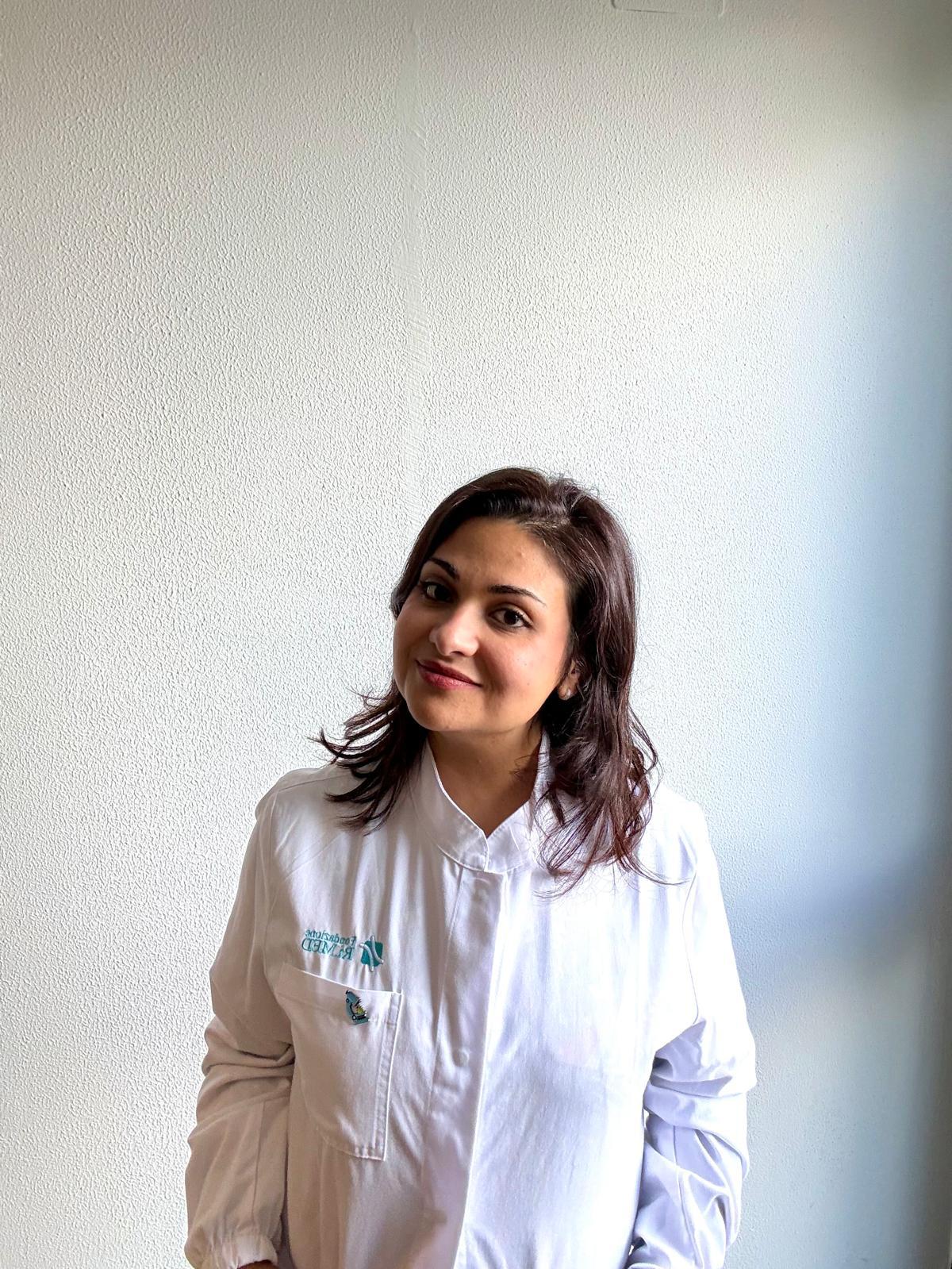
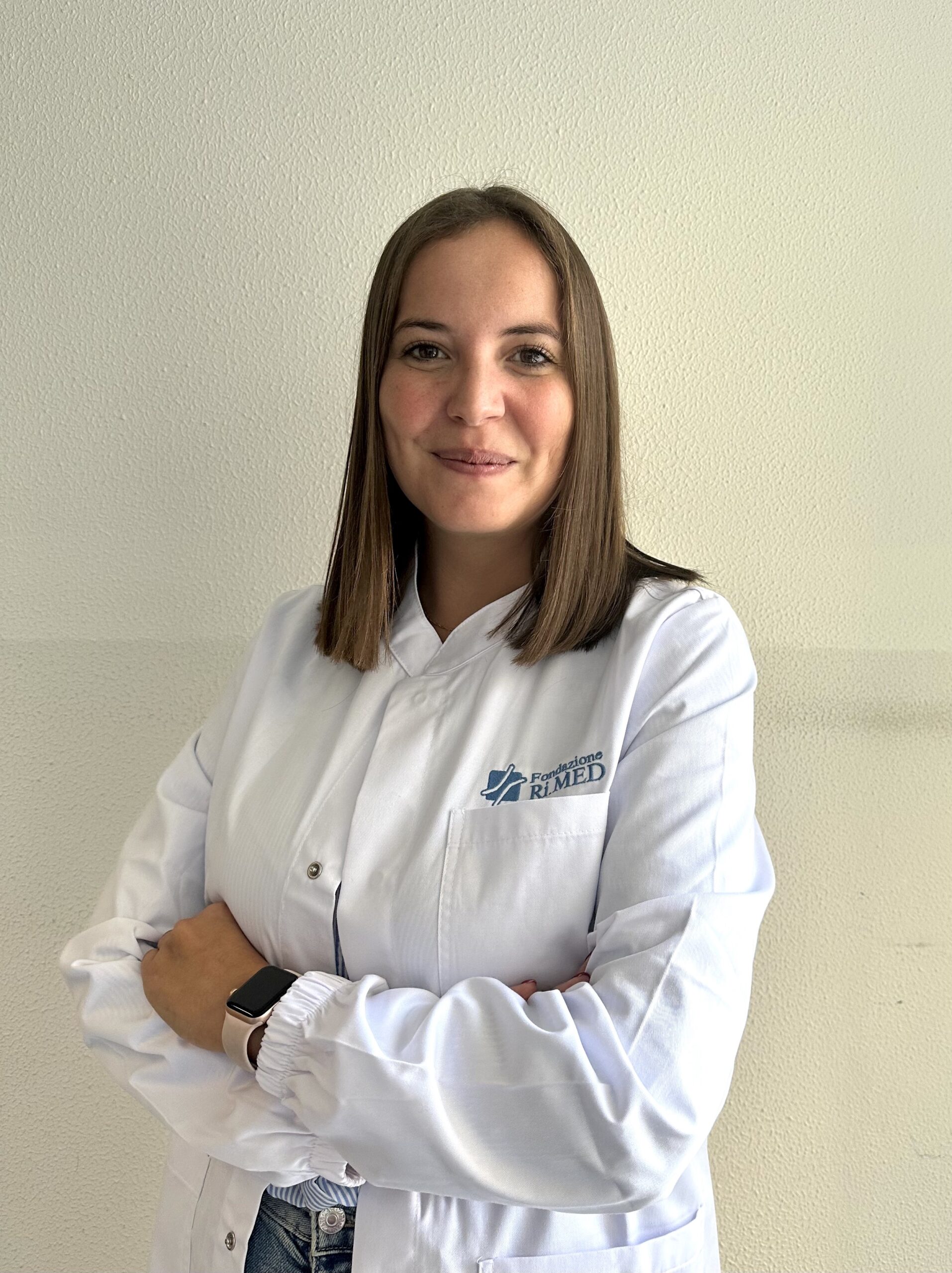
Lara Di Leonardo
PhD Student Biomedicine, Neuroscience and Advanced Diagnostics, Università di Palermo
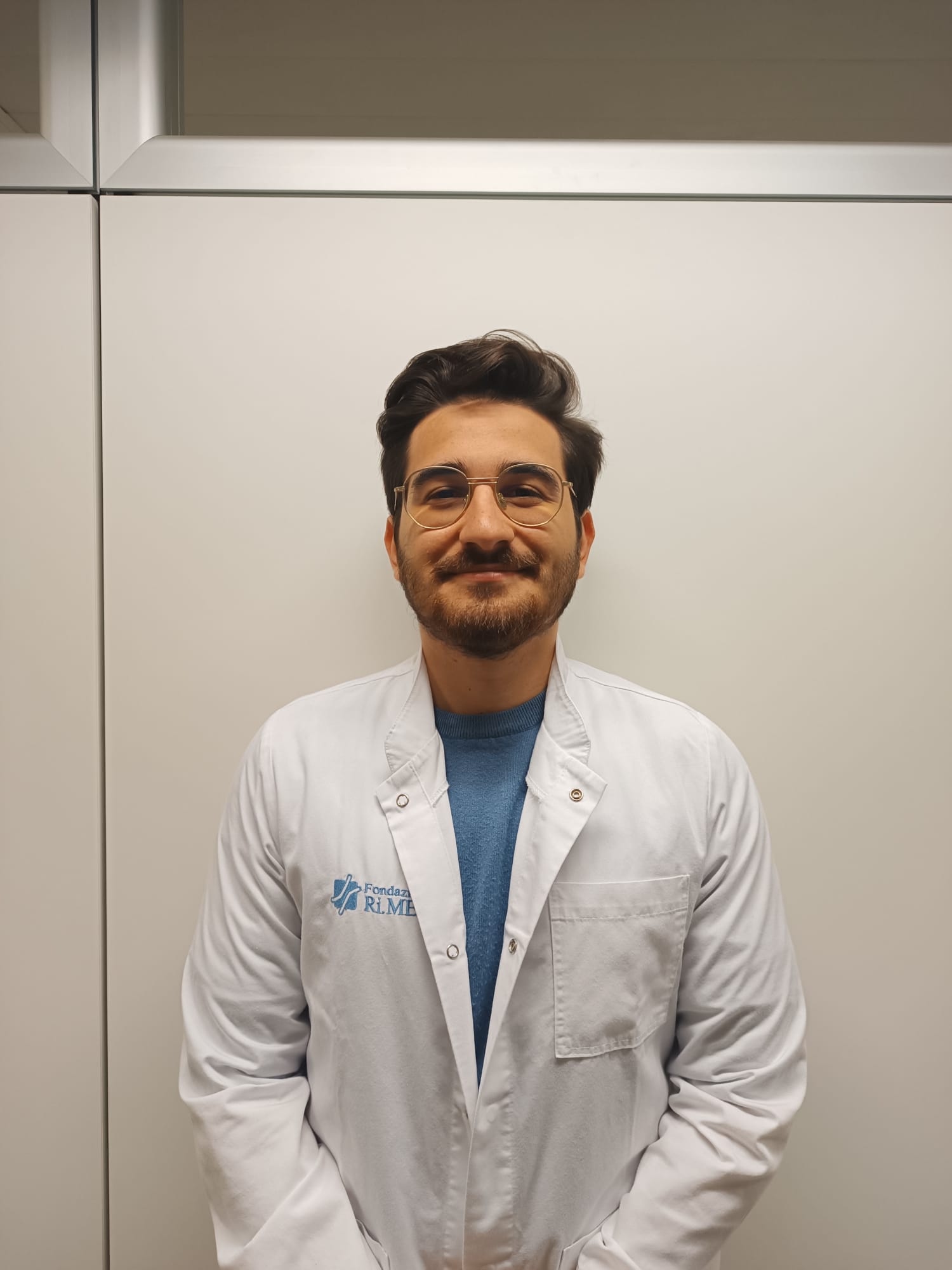
Claudio Firetto
PhD Student in Chemical, Environmental, Biomedical, Hydraulic and Materials Engineering
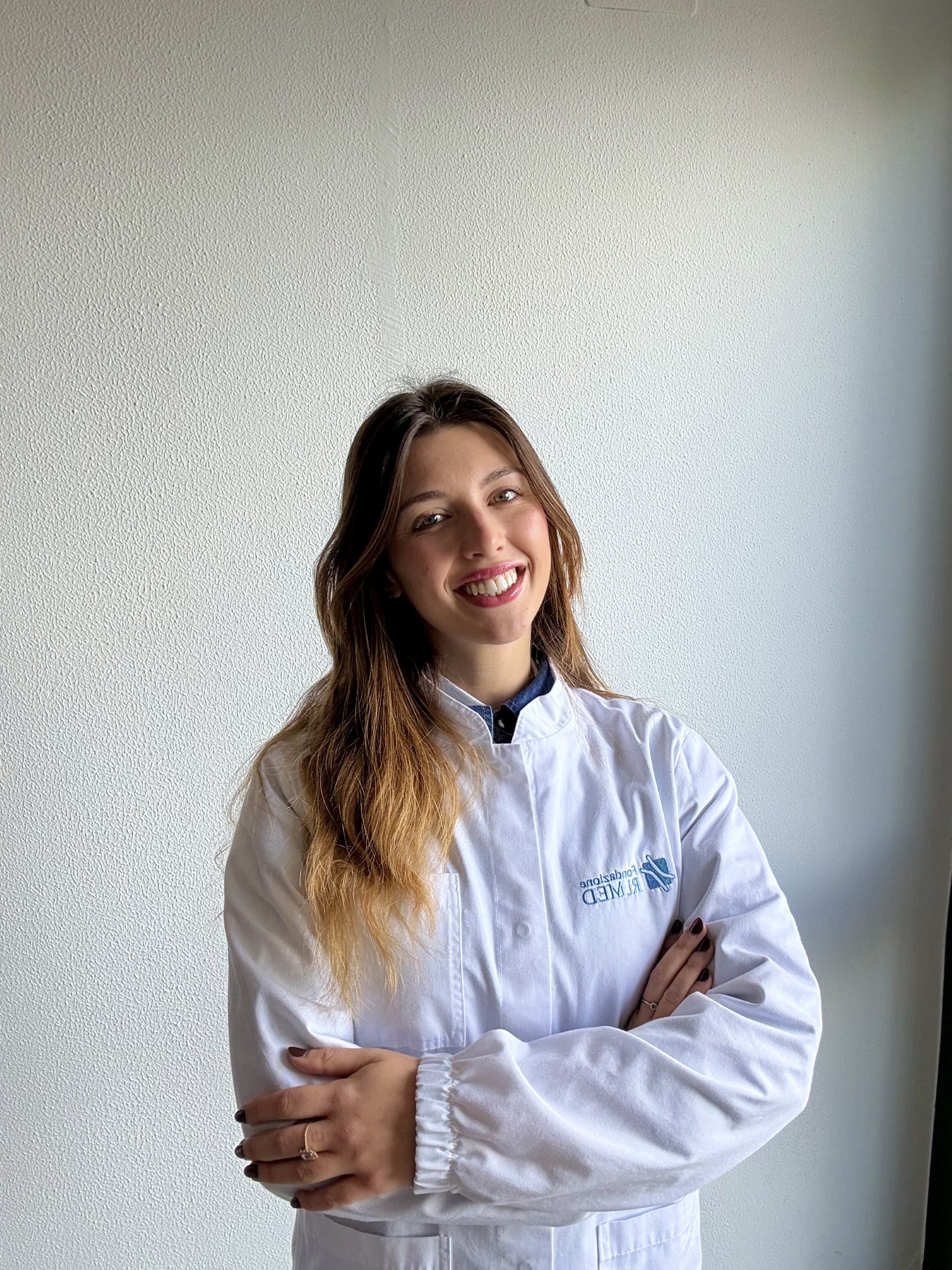
Chiara Finocchio
PhD Student in Biomedicine, Neuroscience and Advanced Diagnostics - Università degli Studi di Palermo
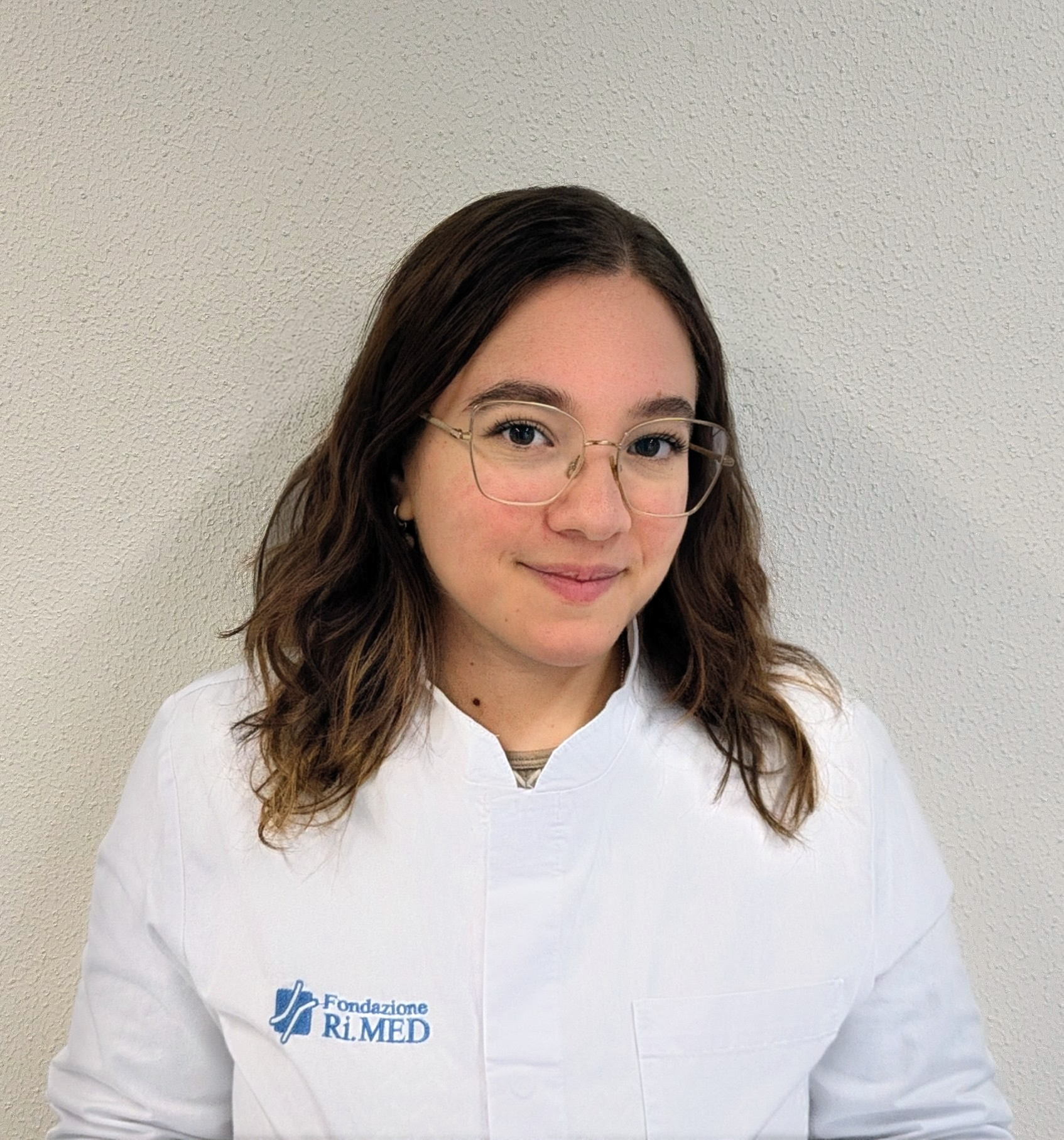
Giulia Principe
PhD Student in Biomedicine, Neuroscience and Advanced Diagnostics - Università degli Studi di Palermo