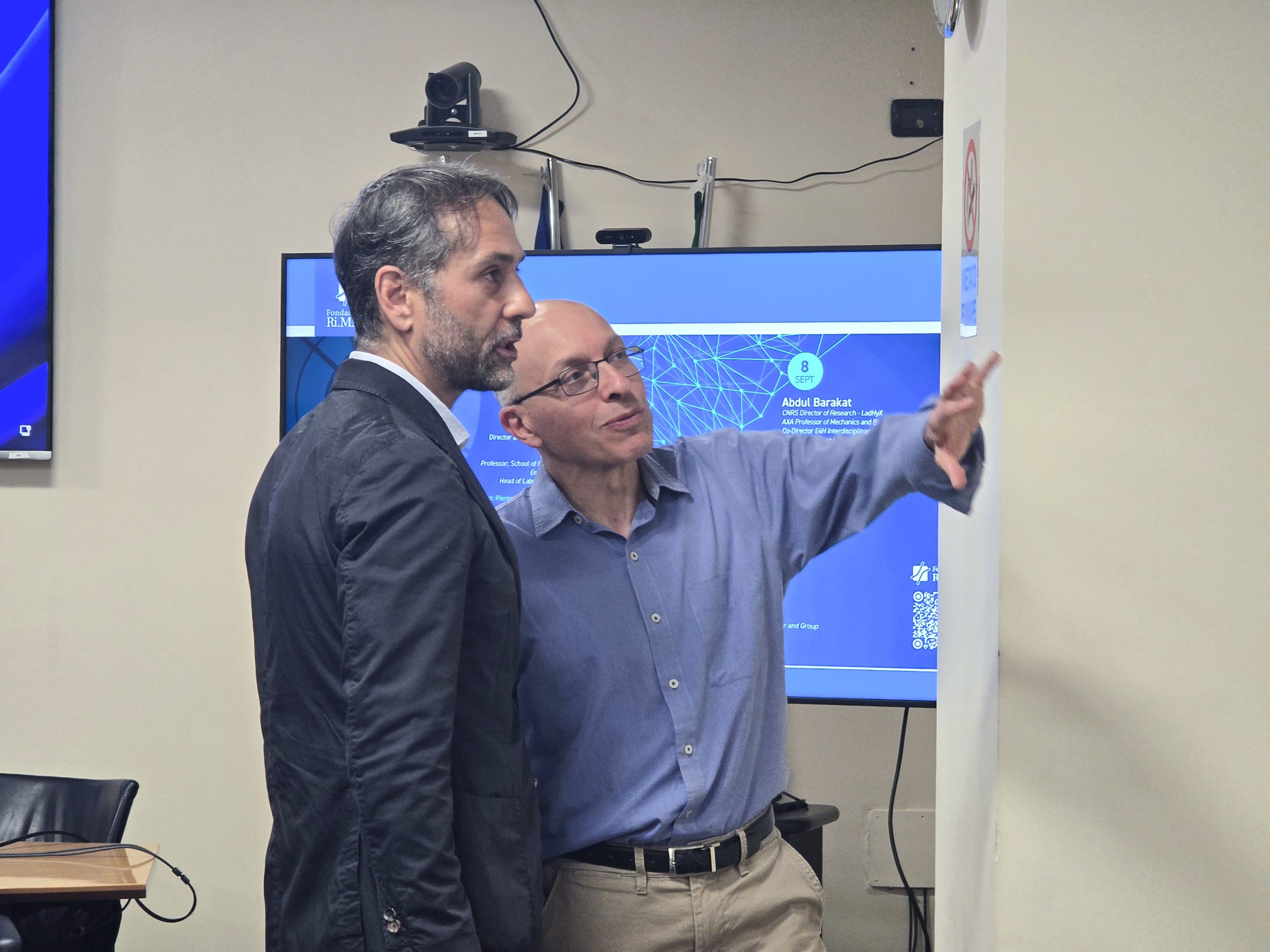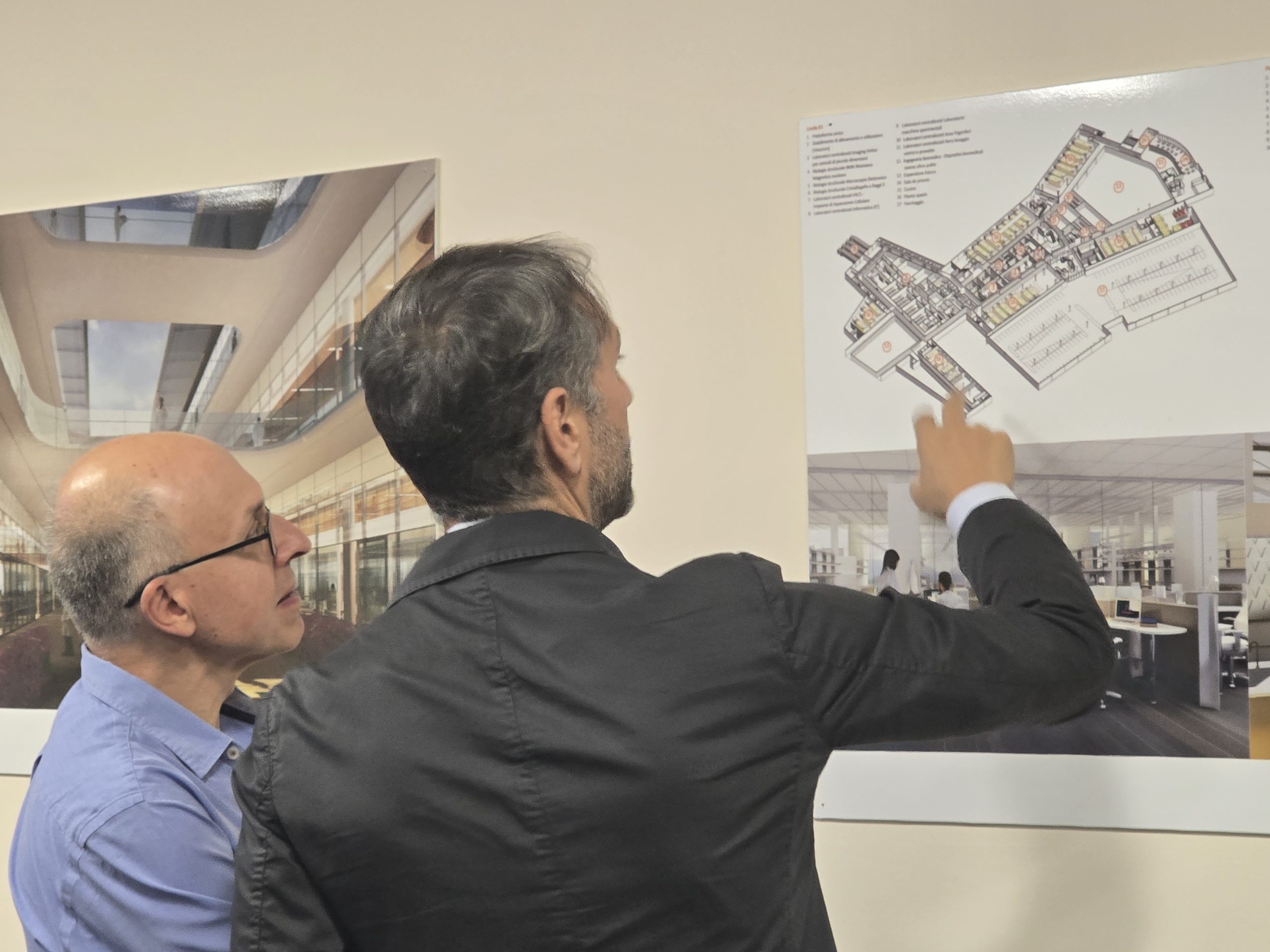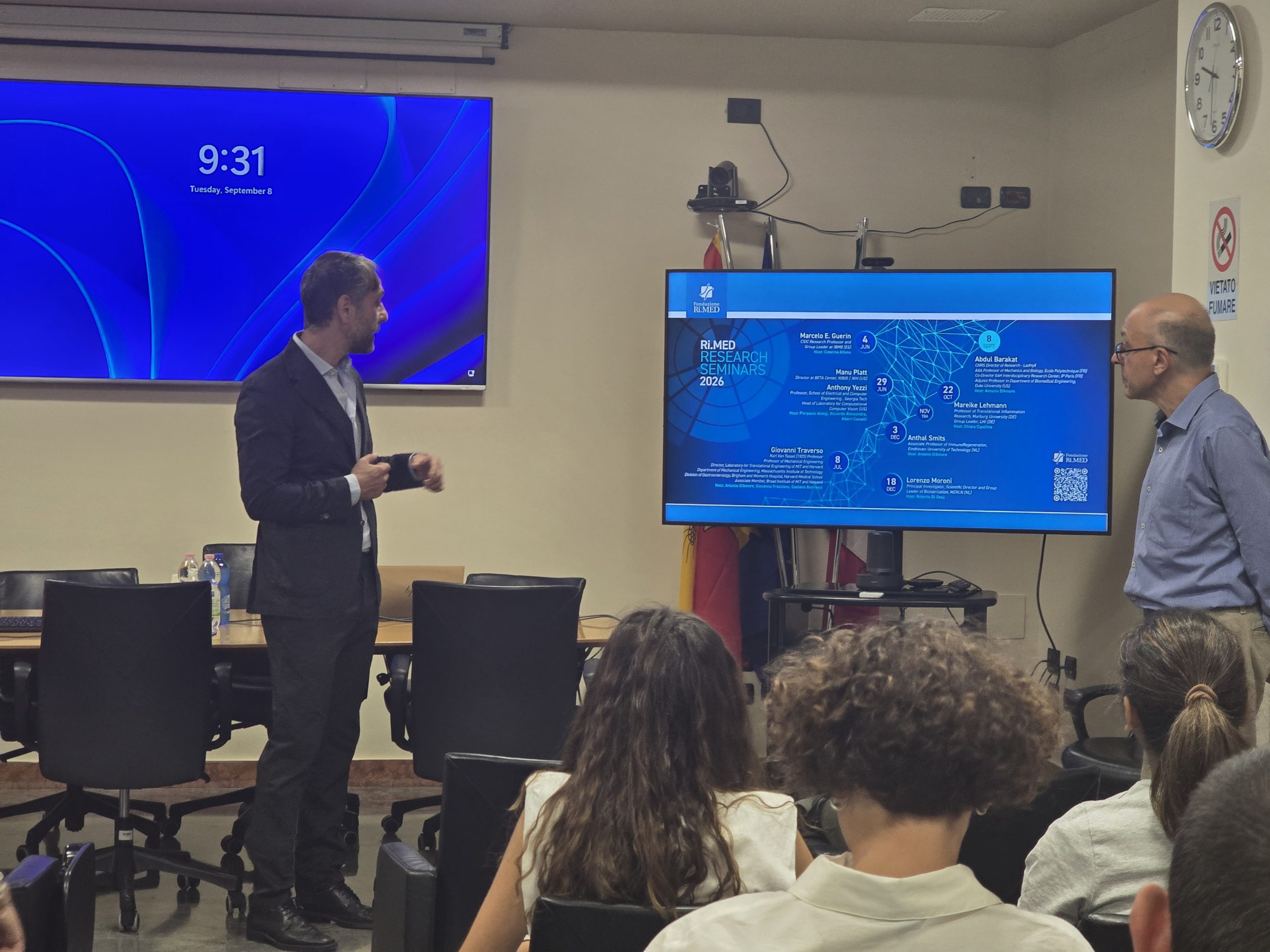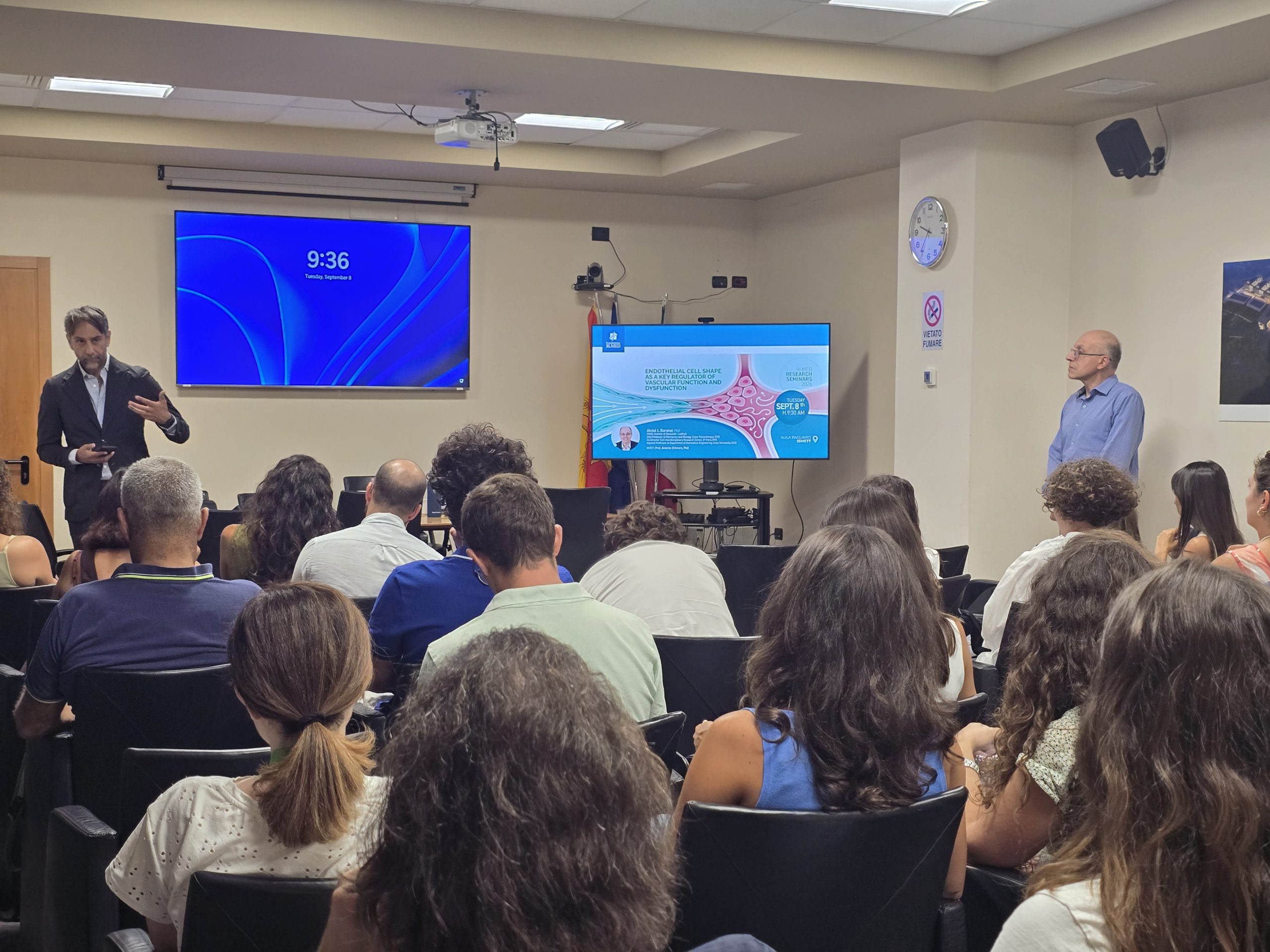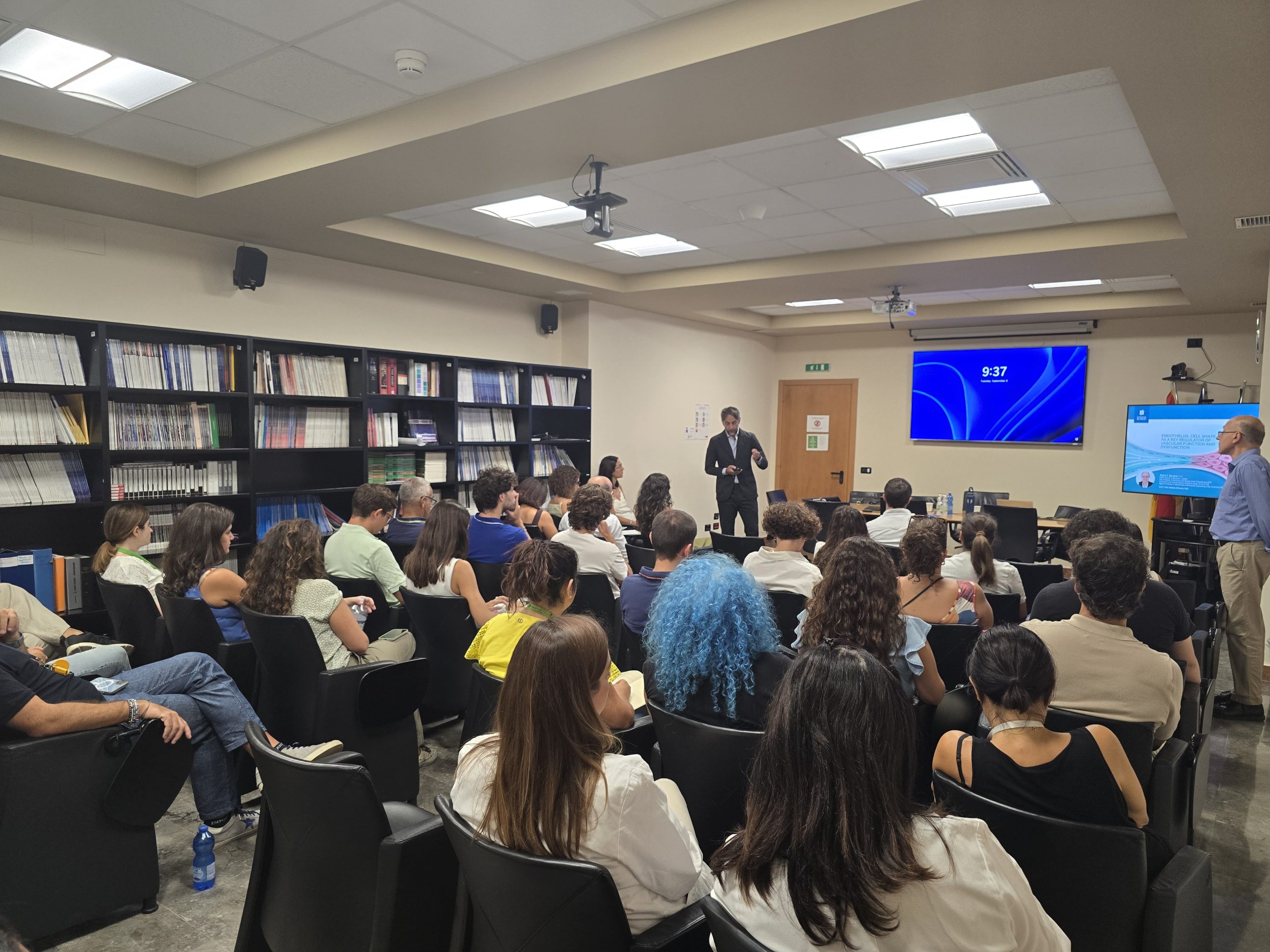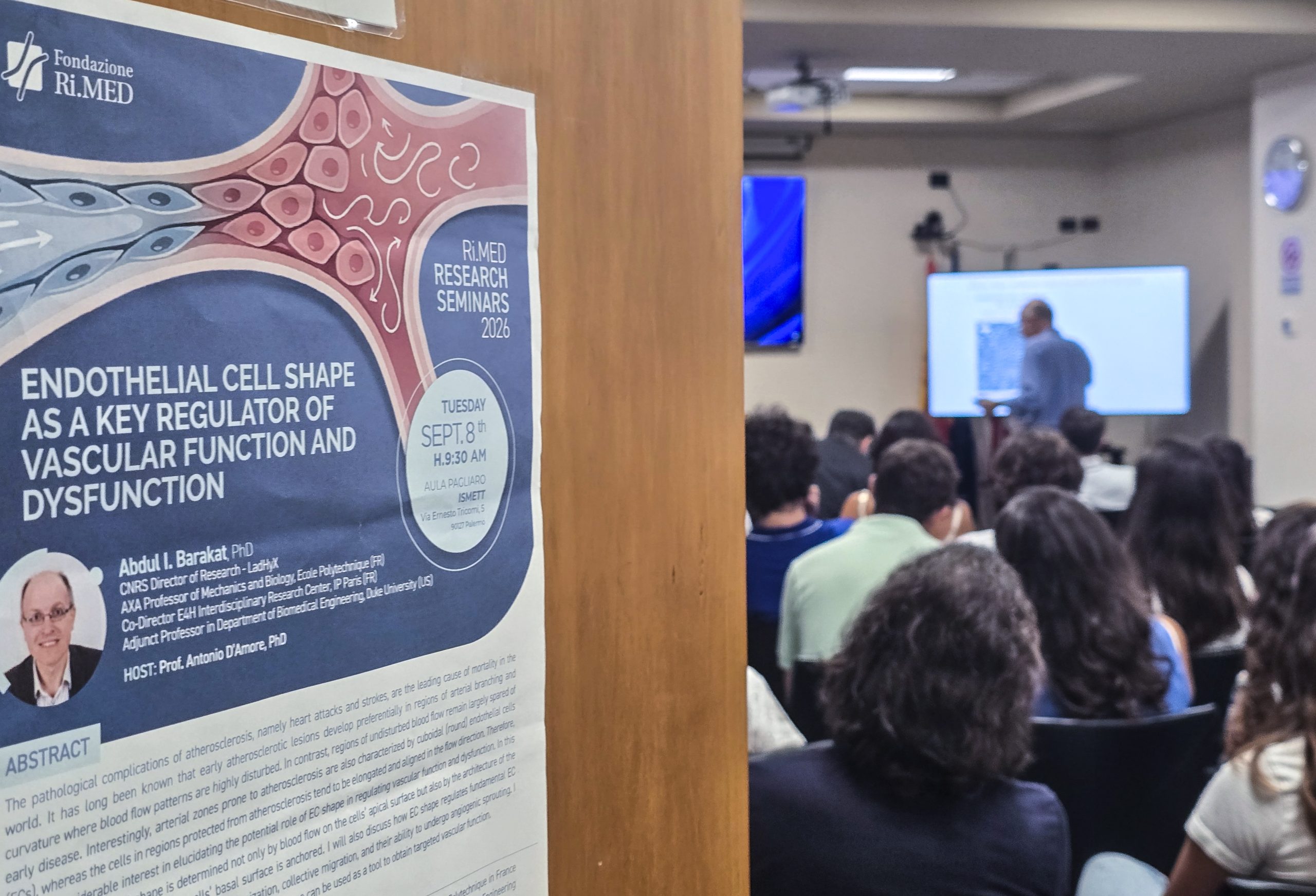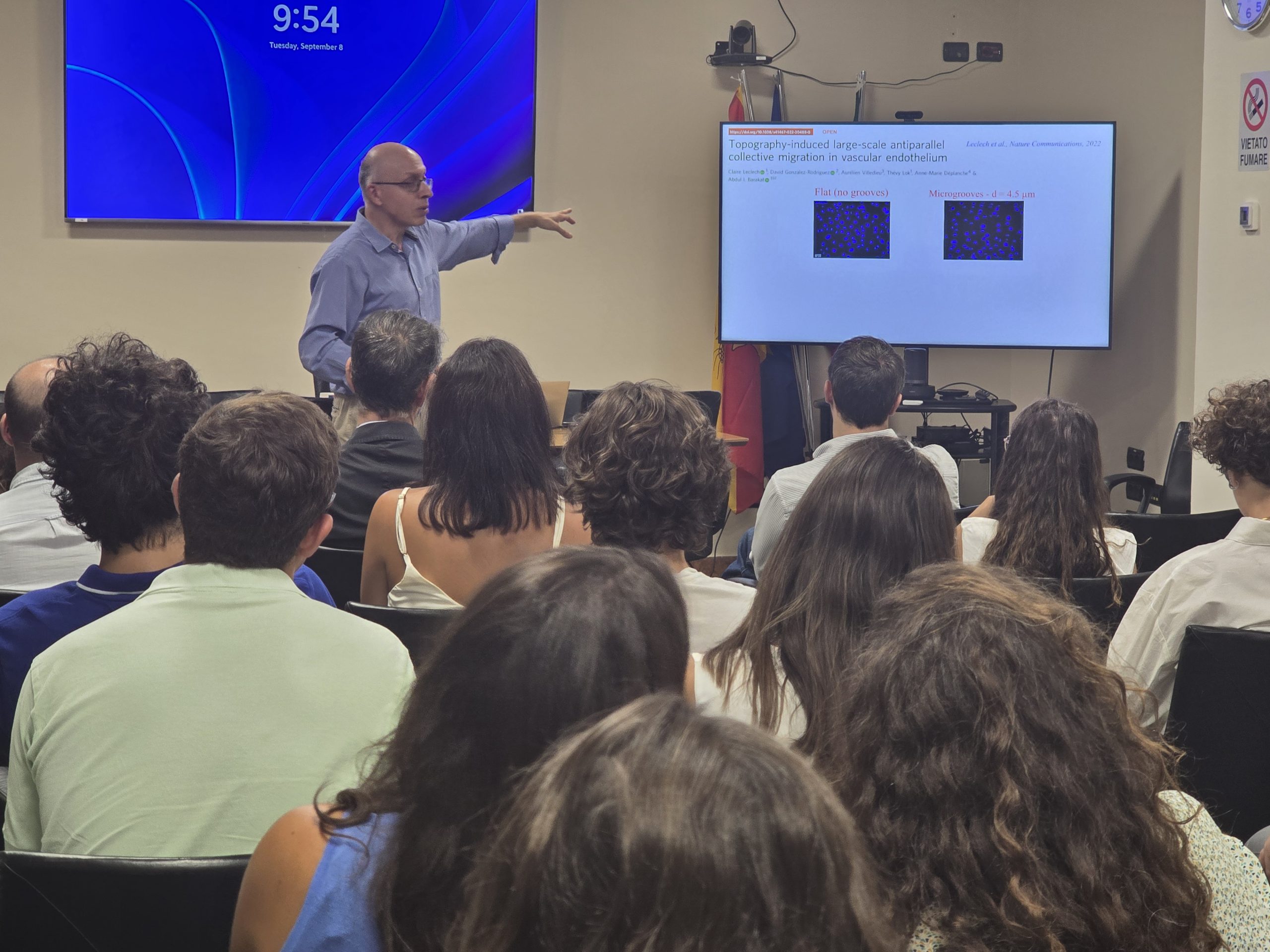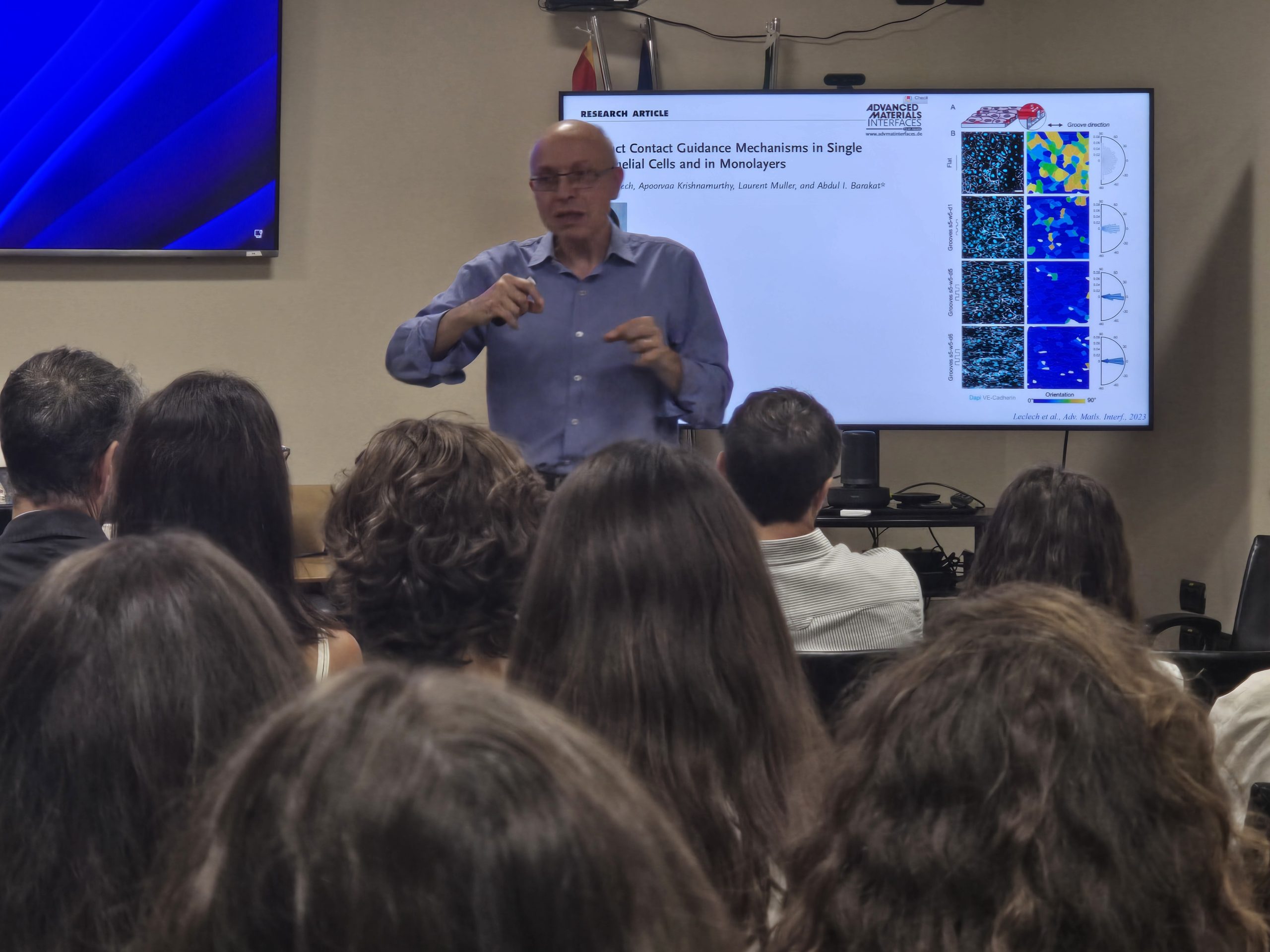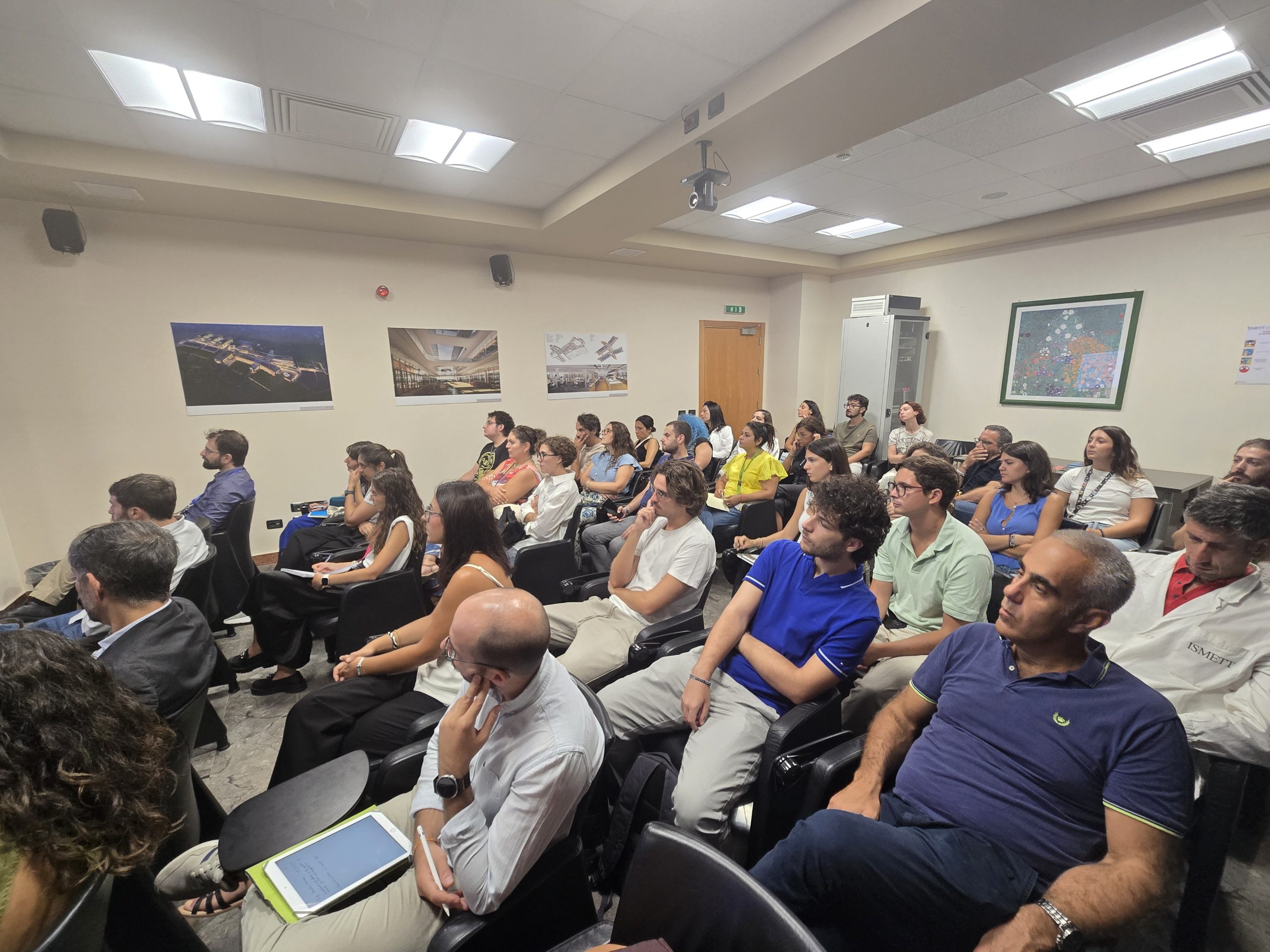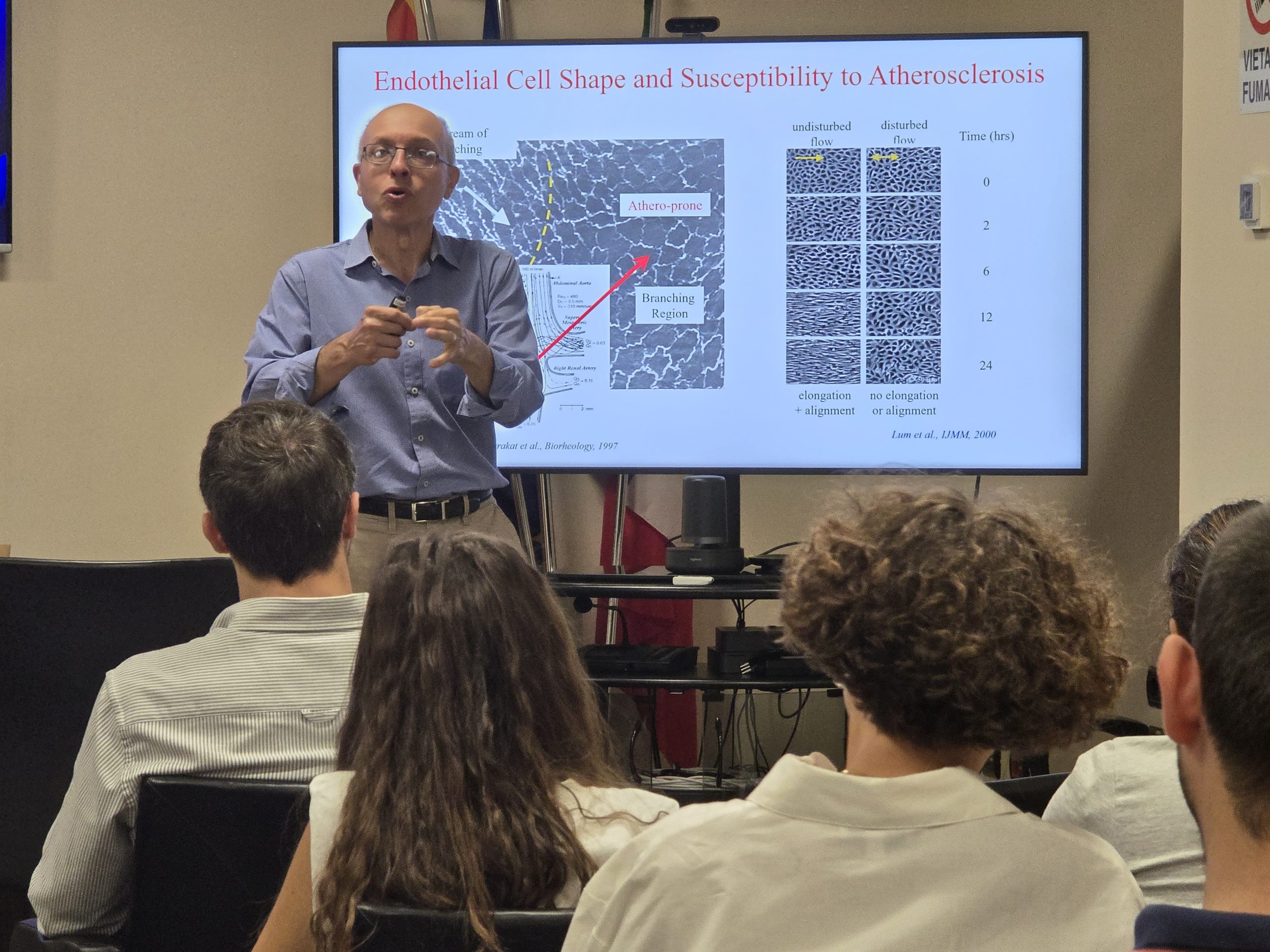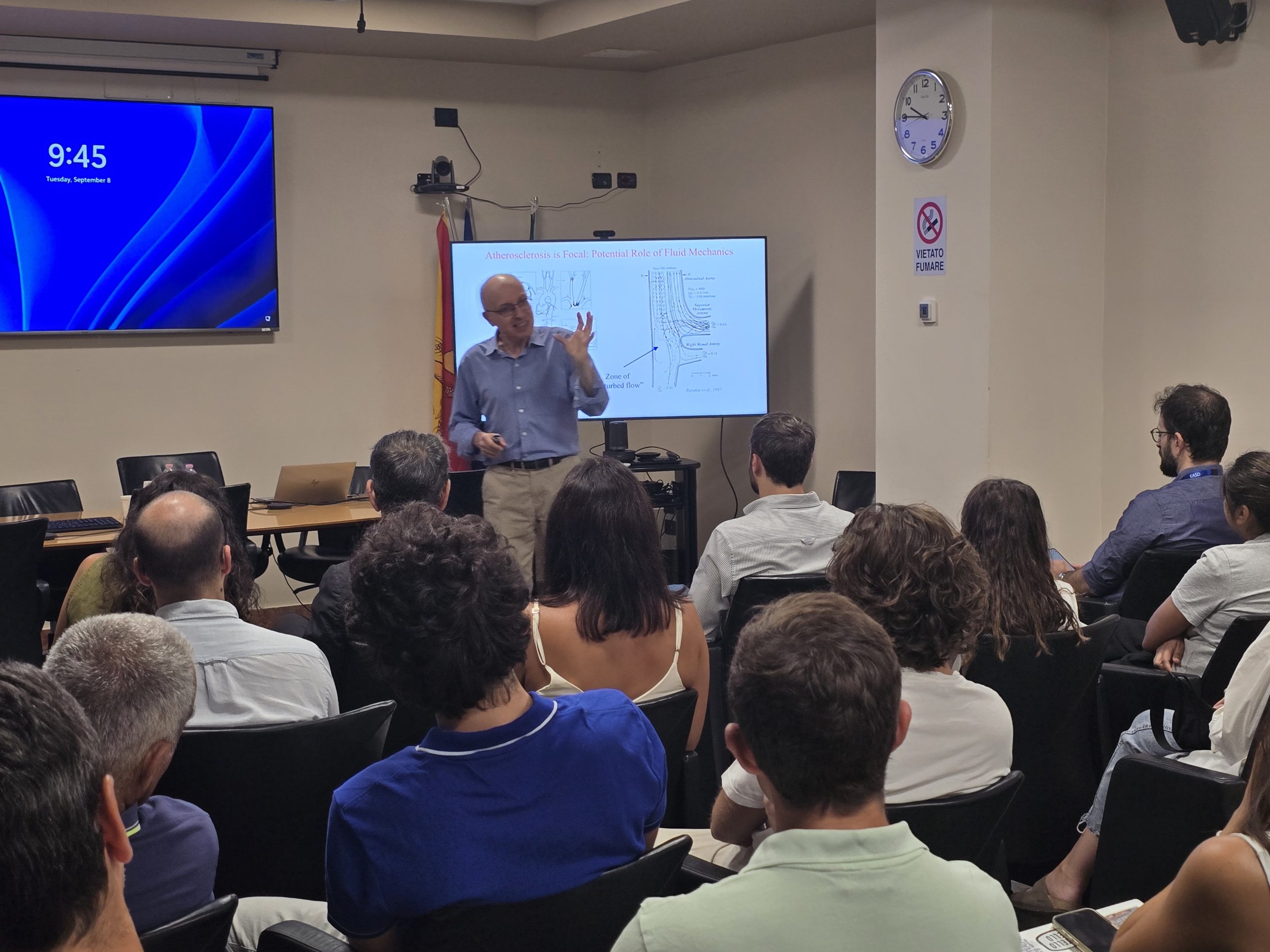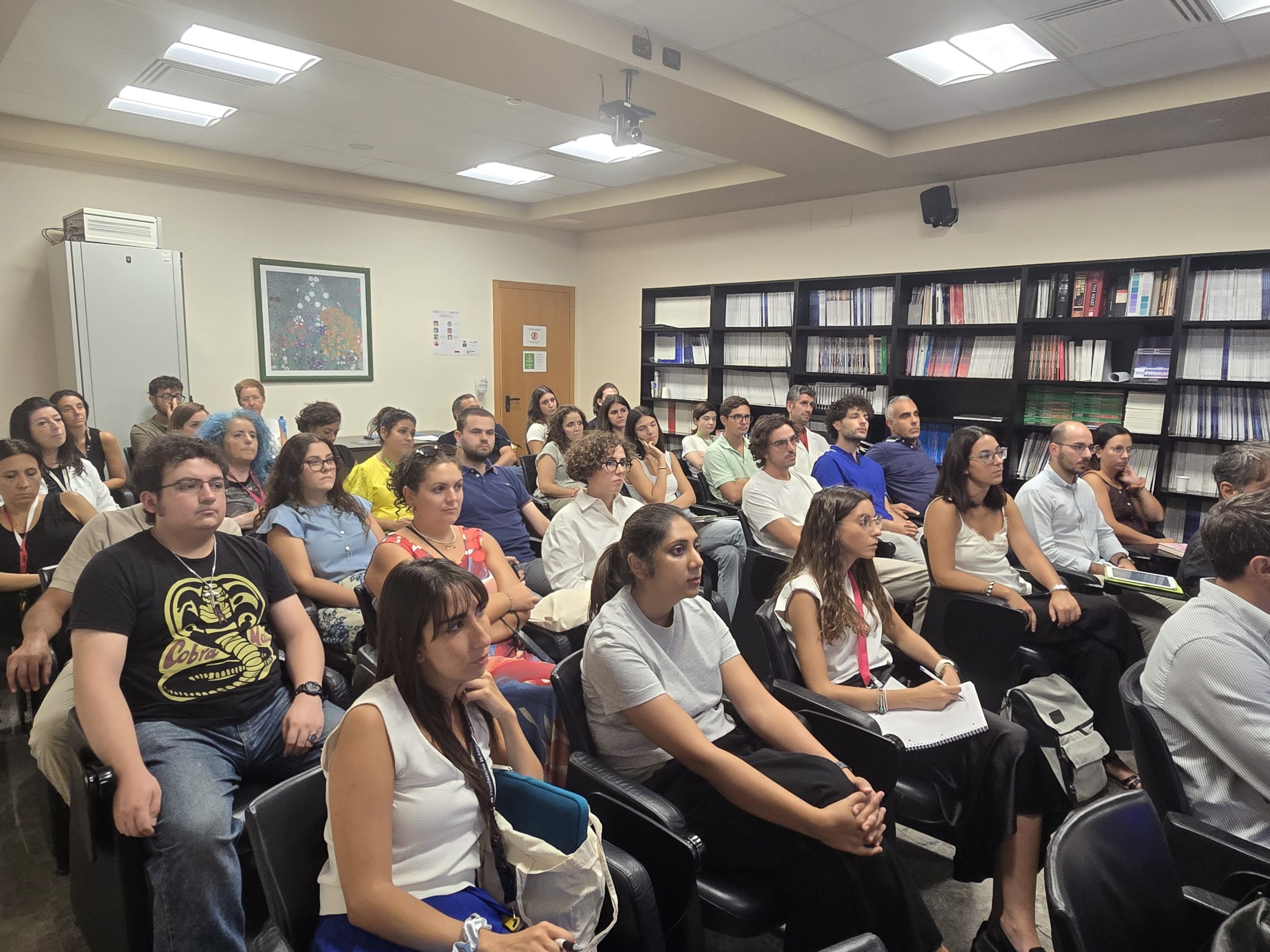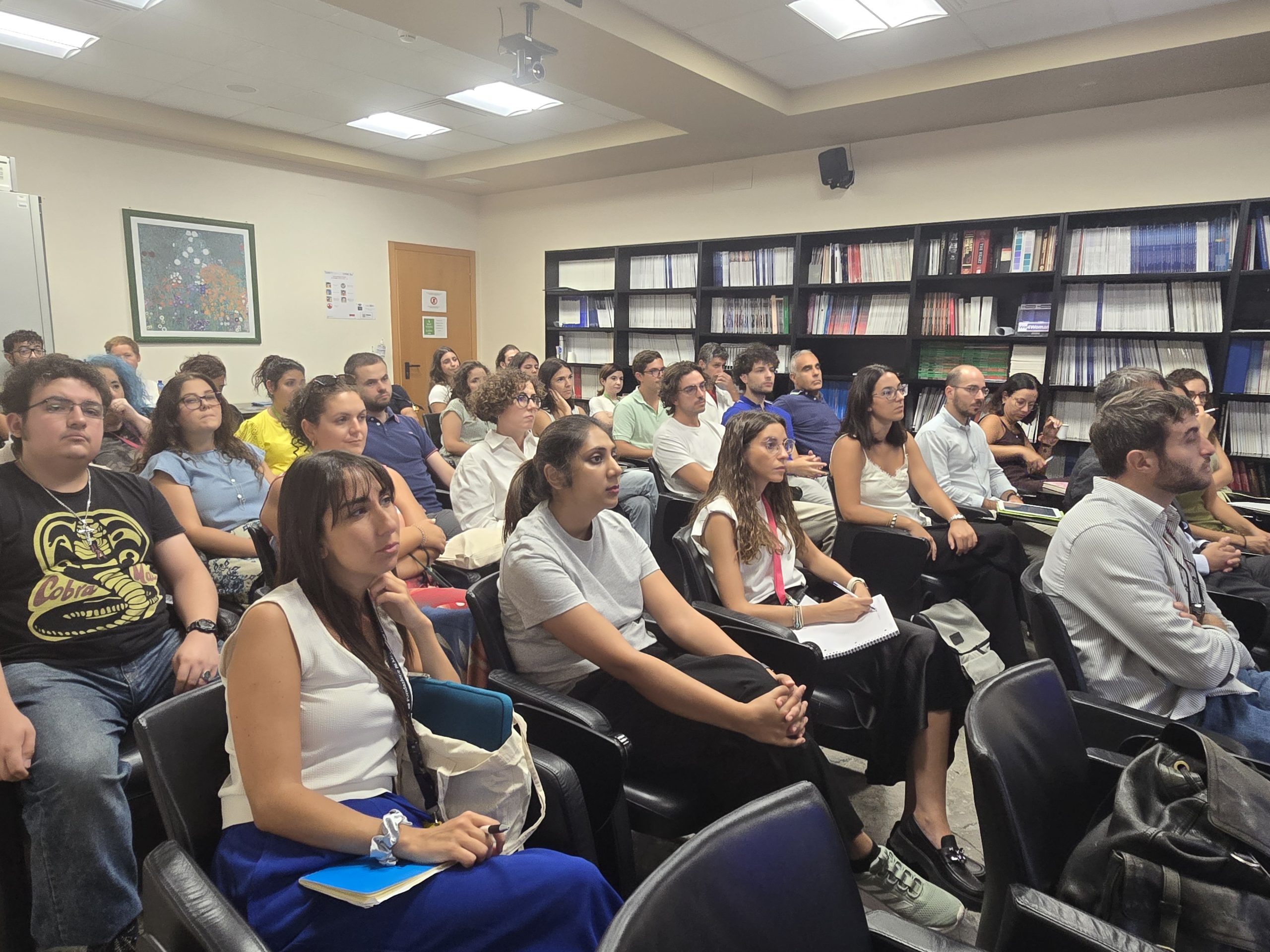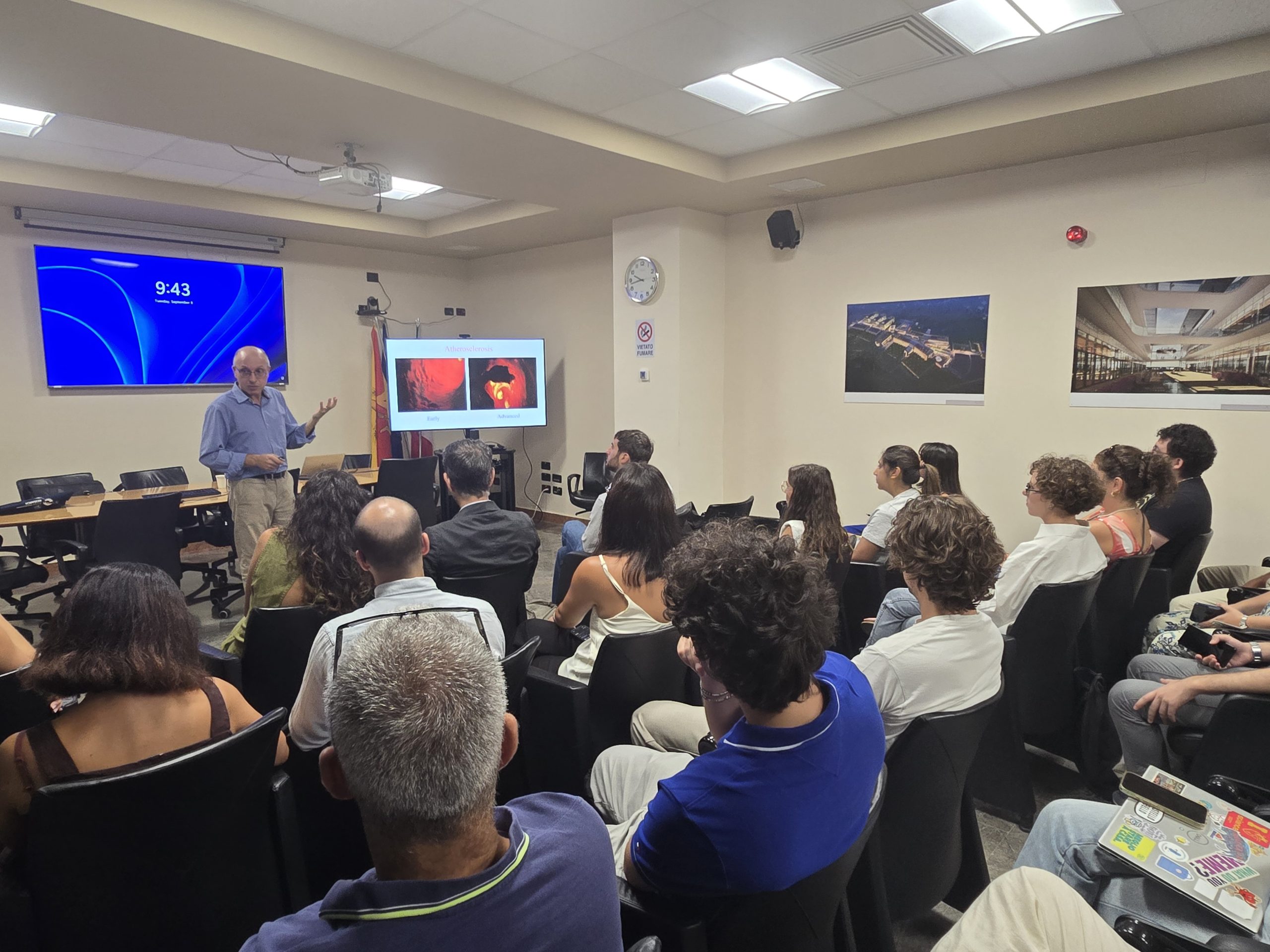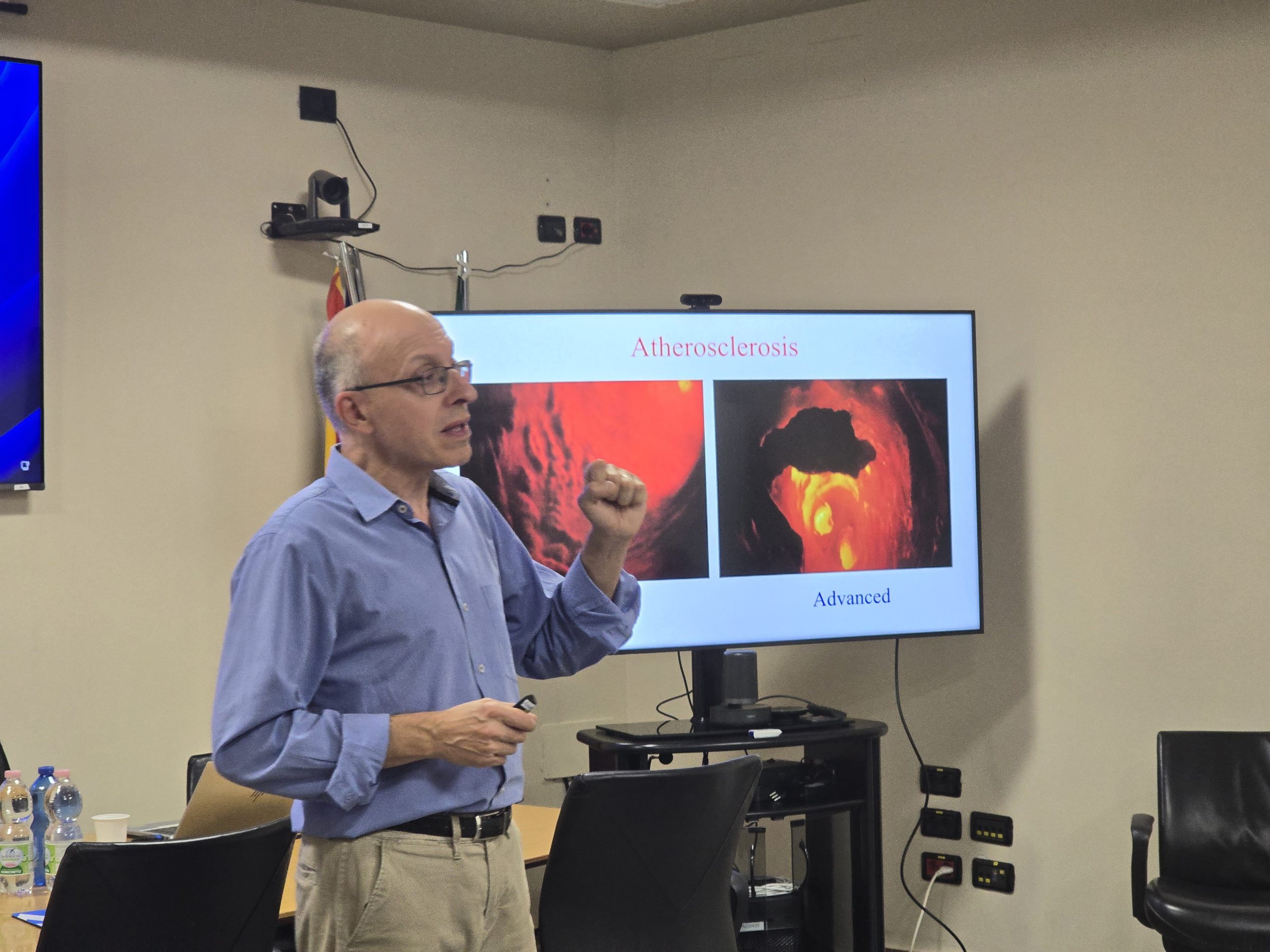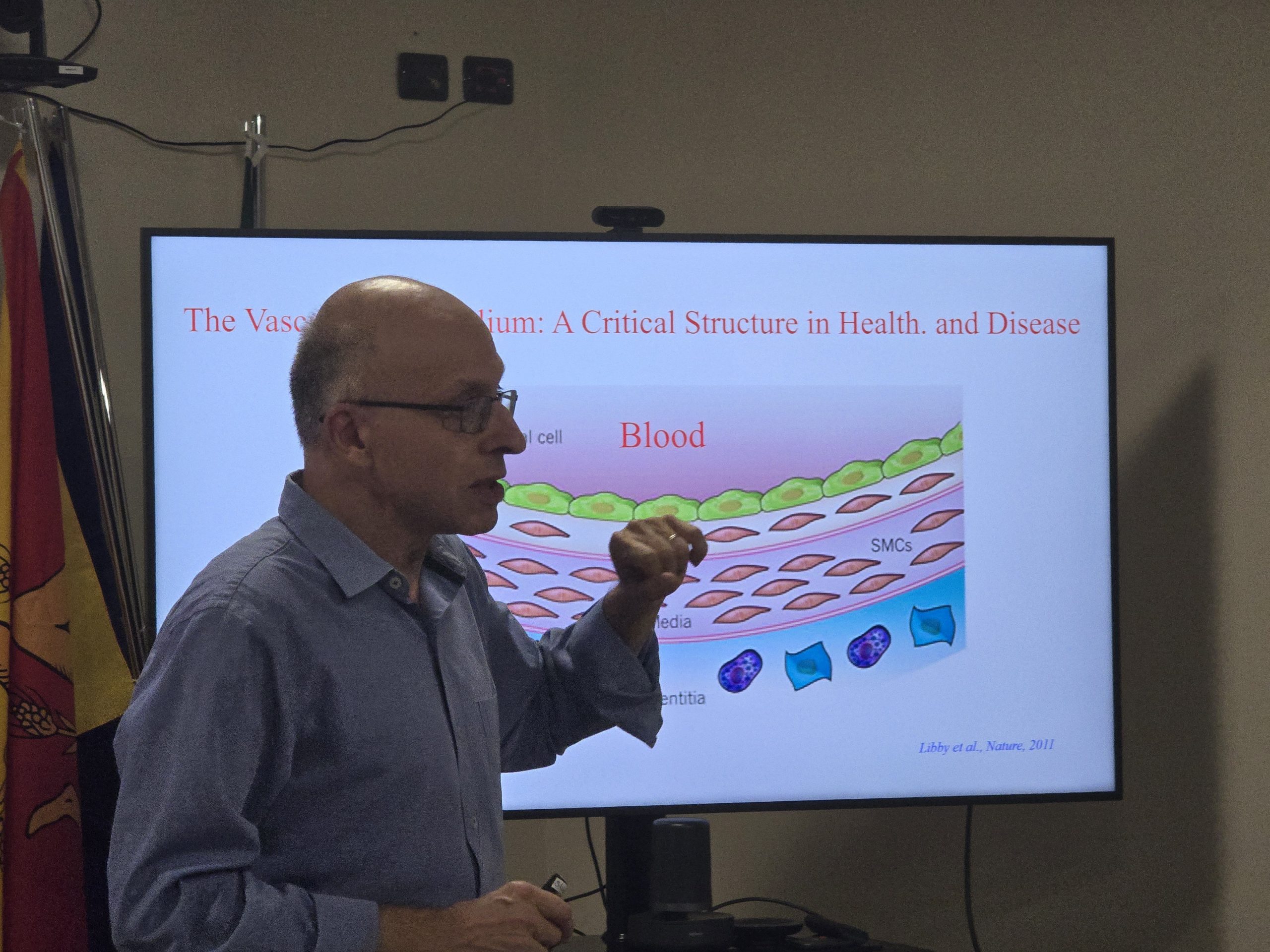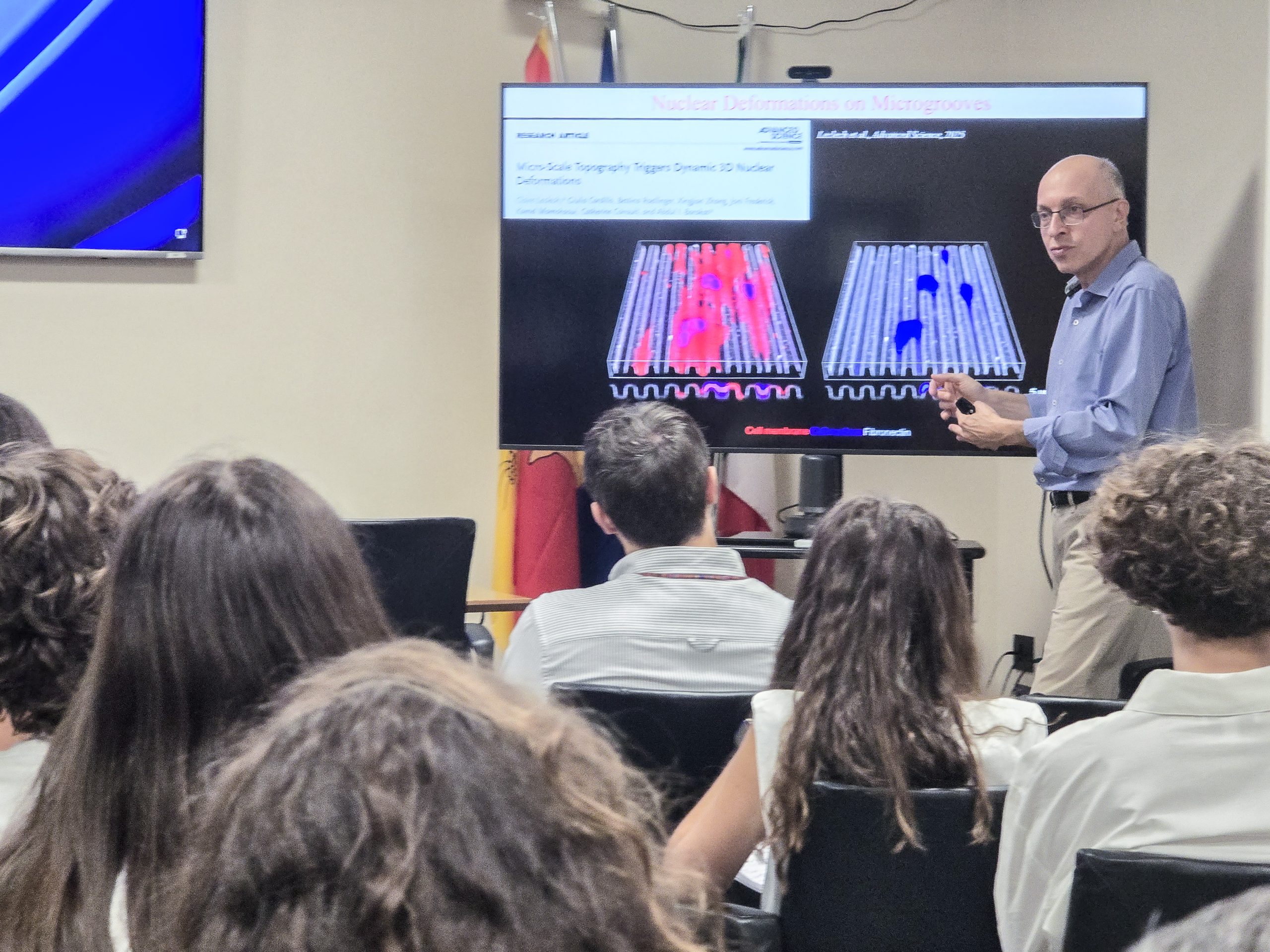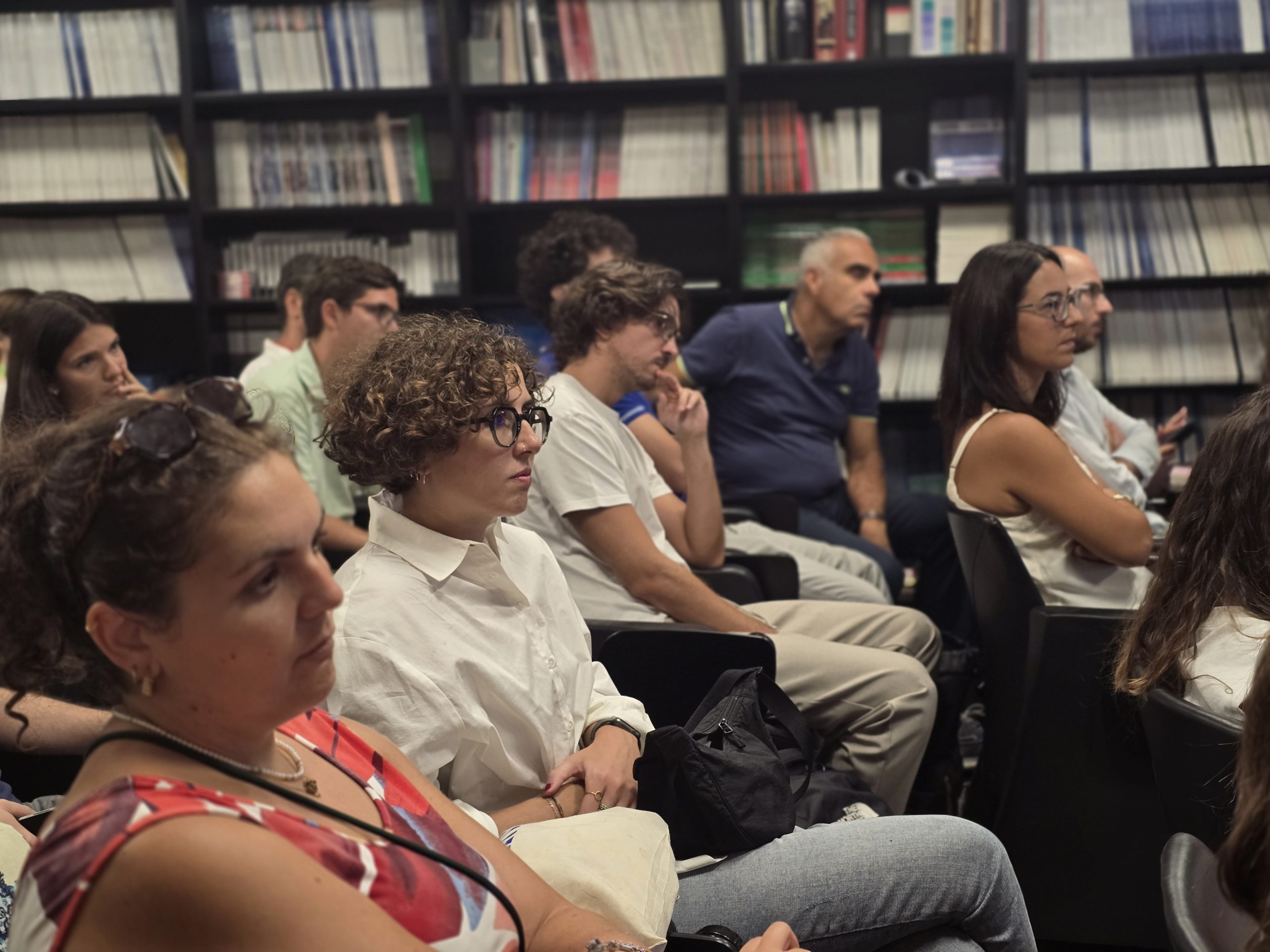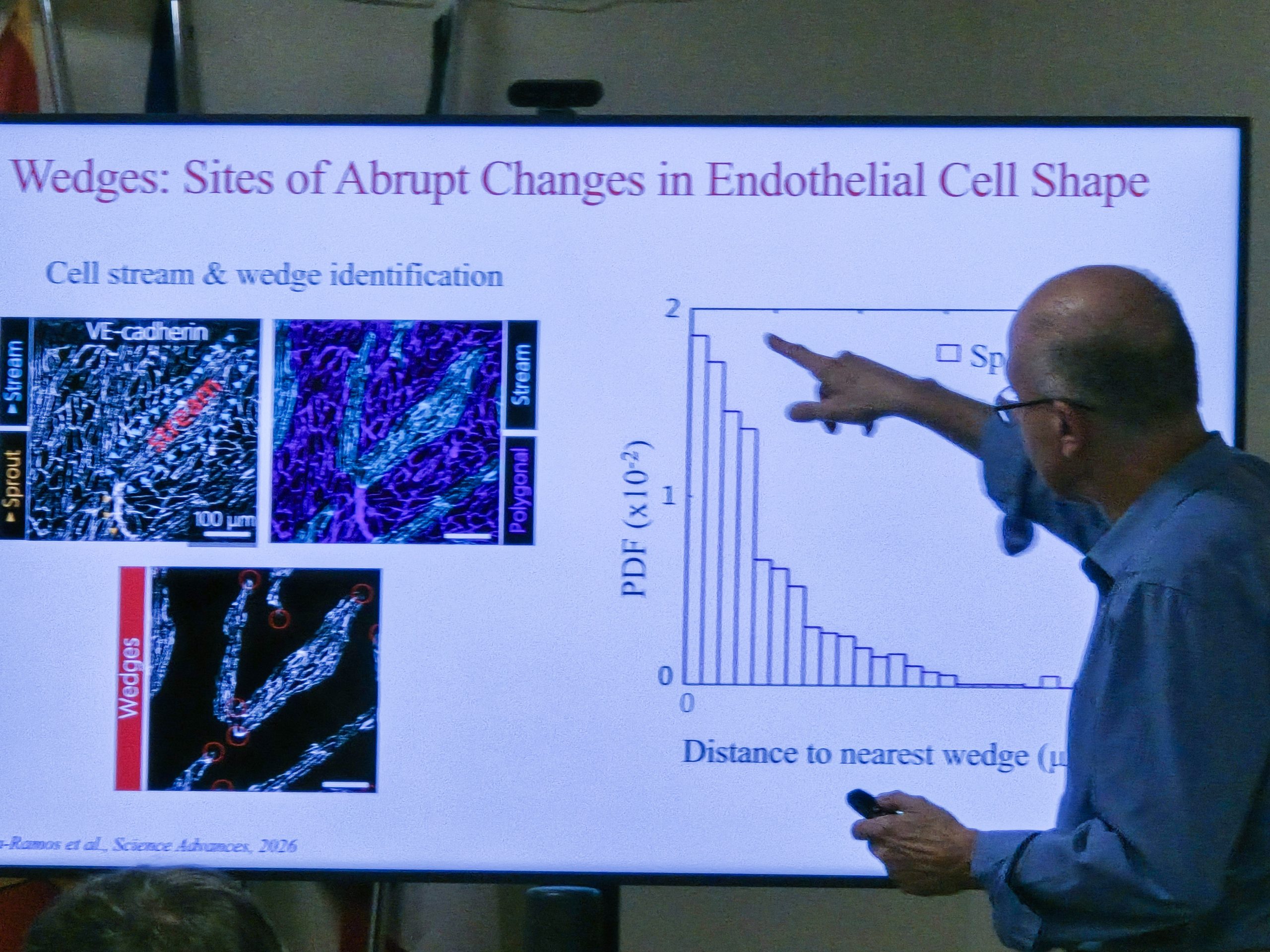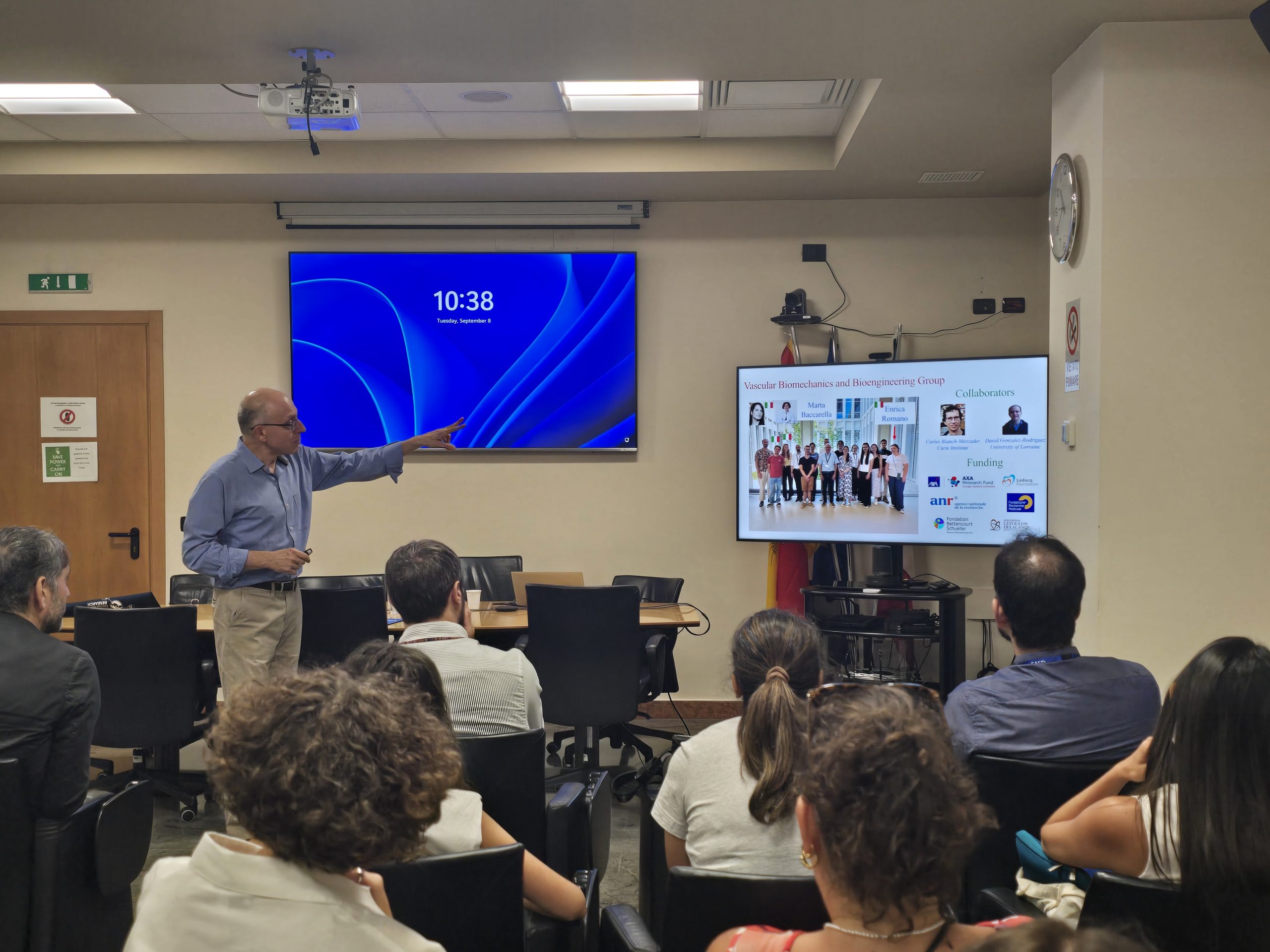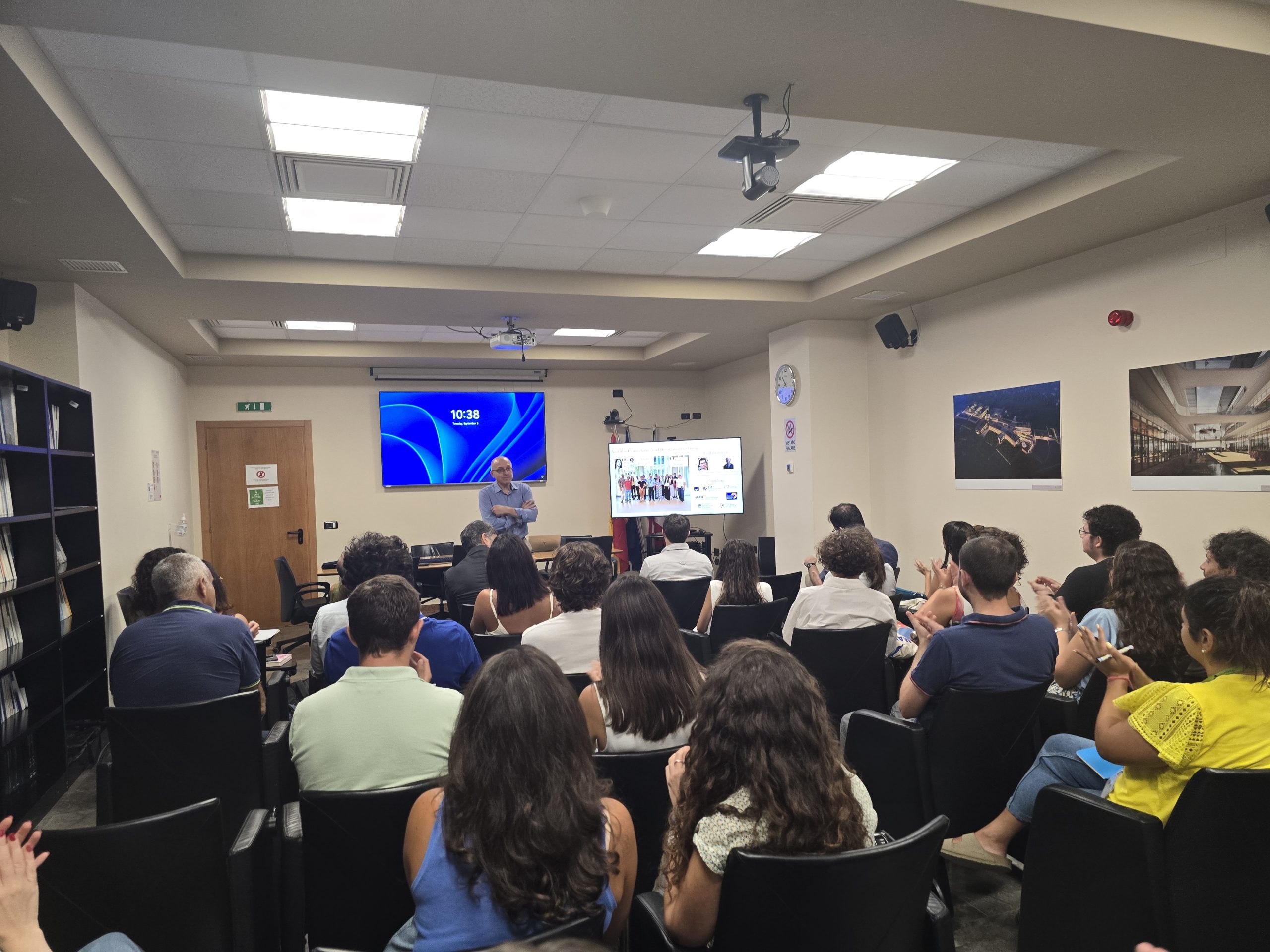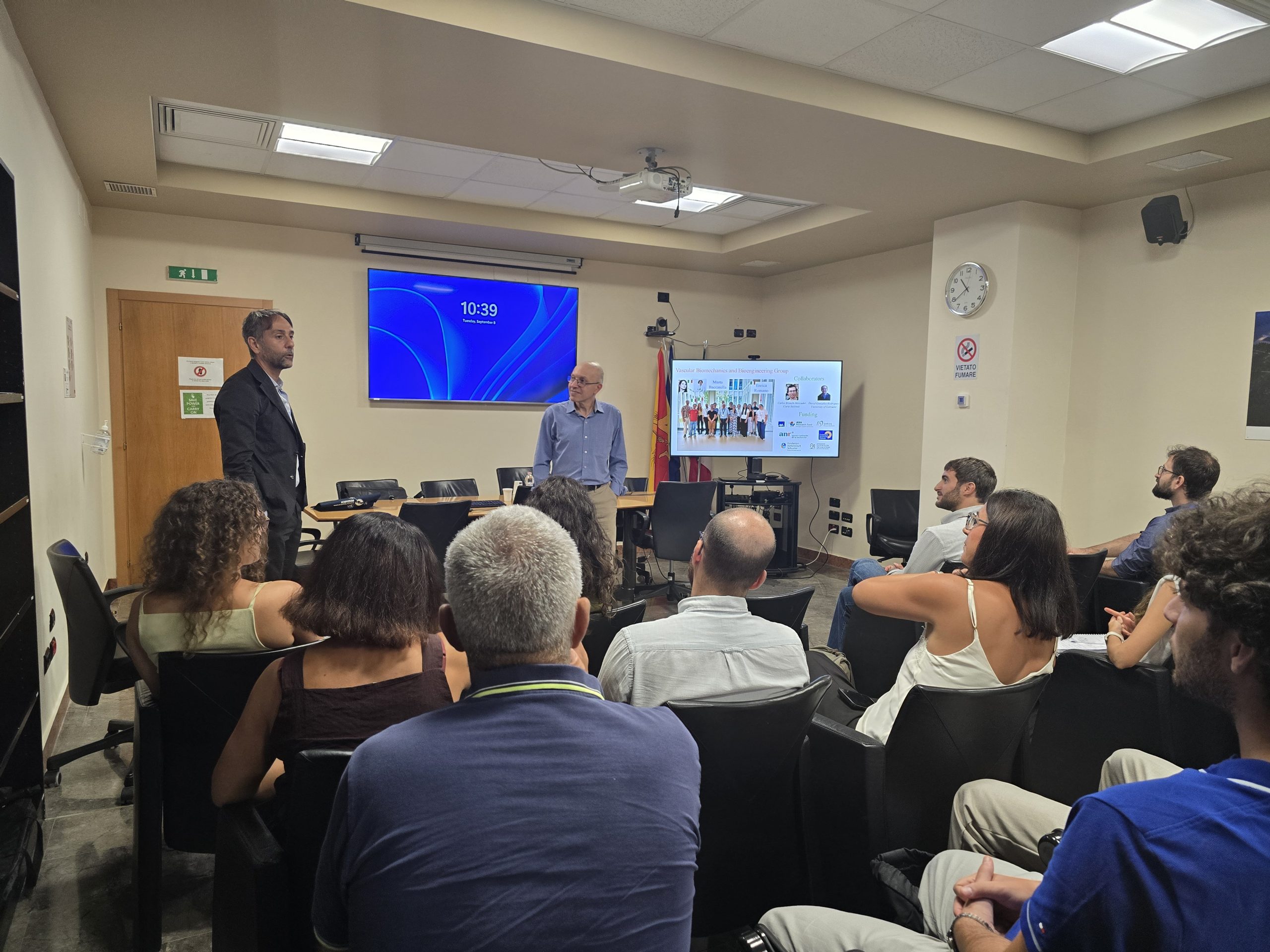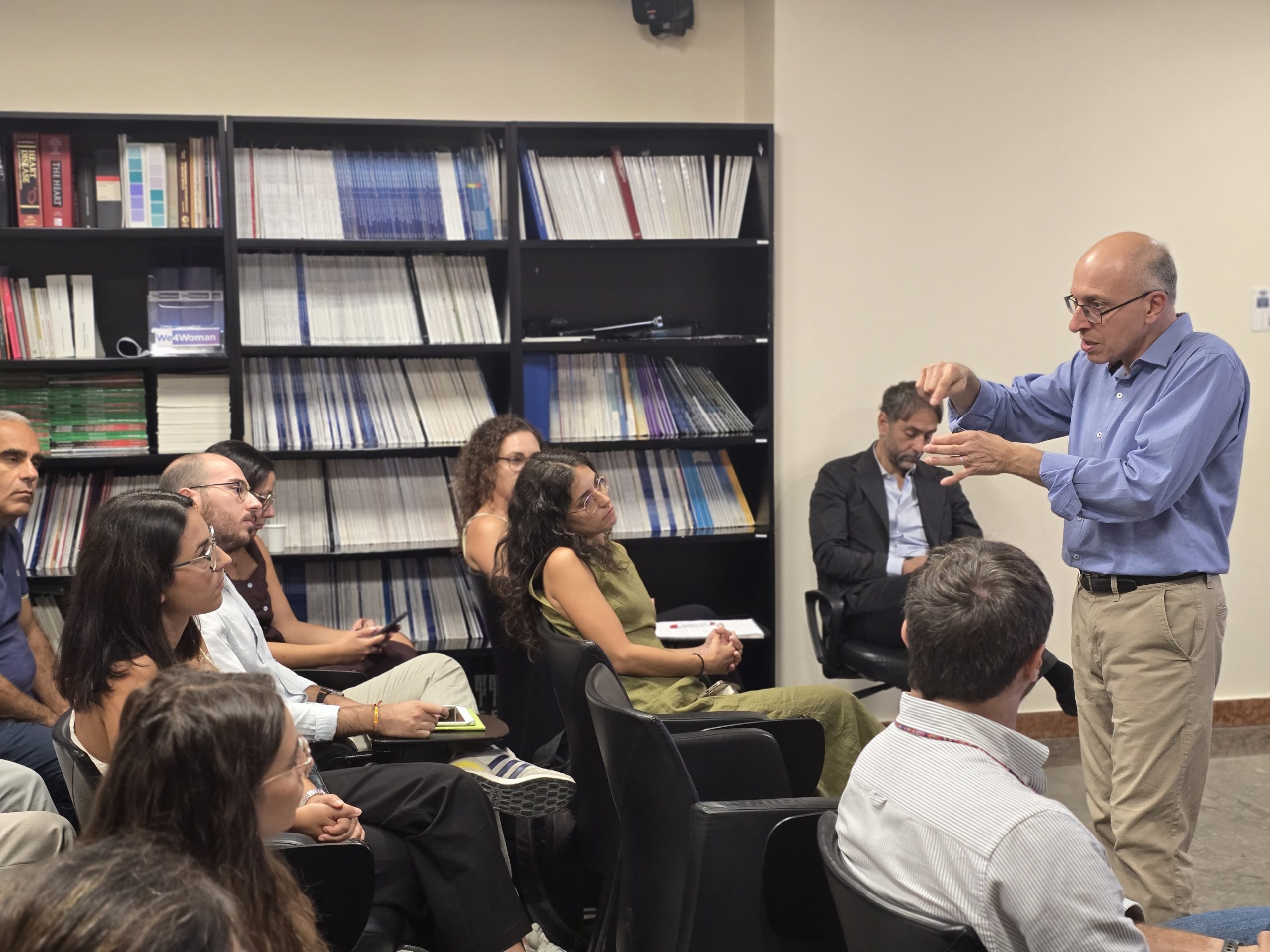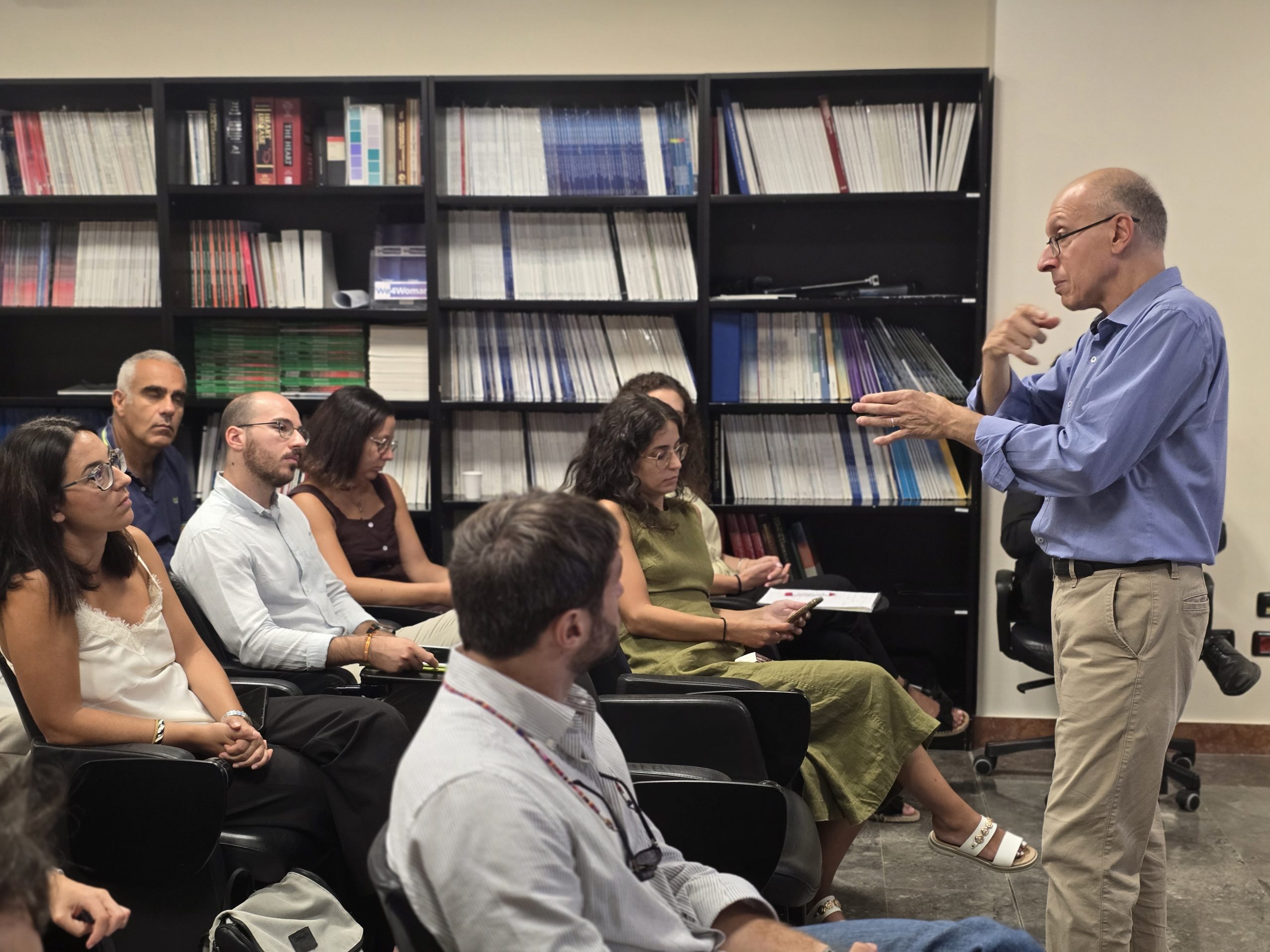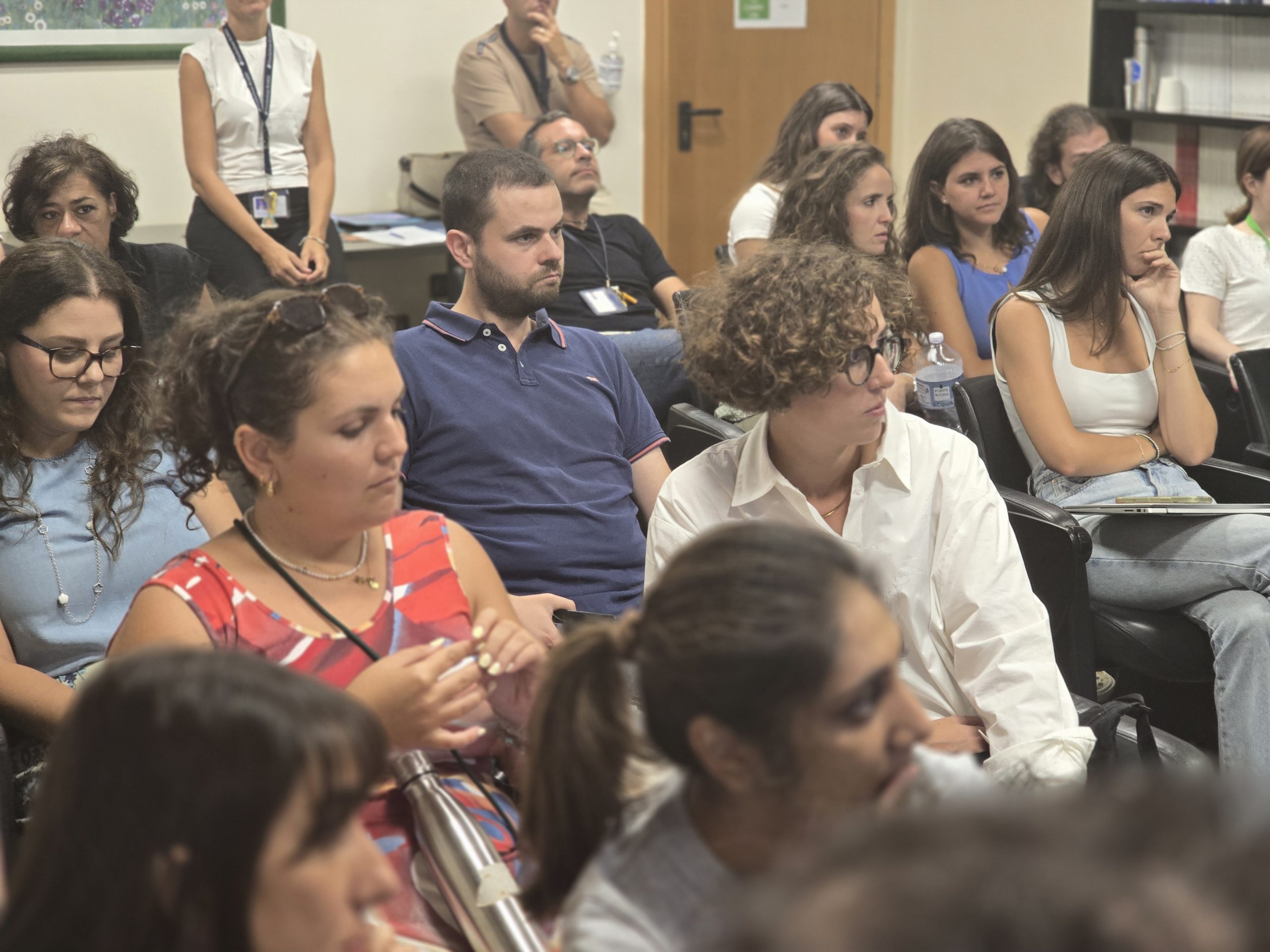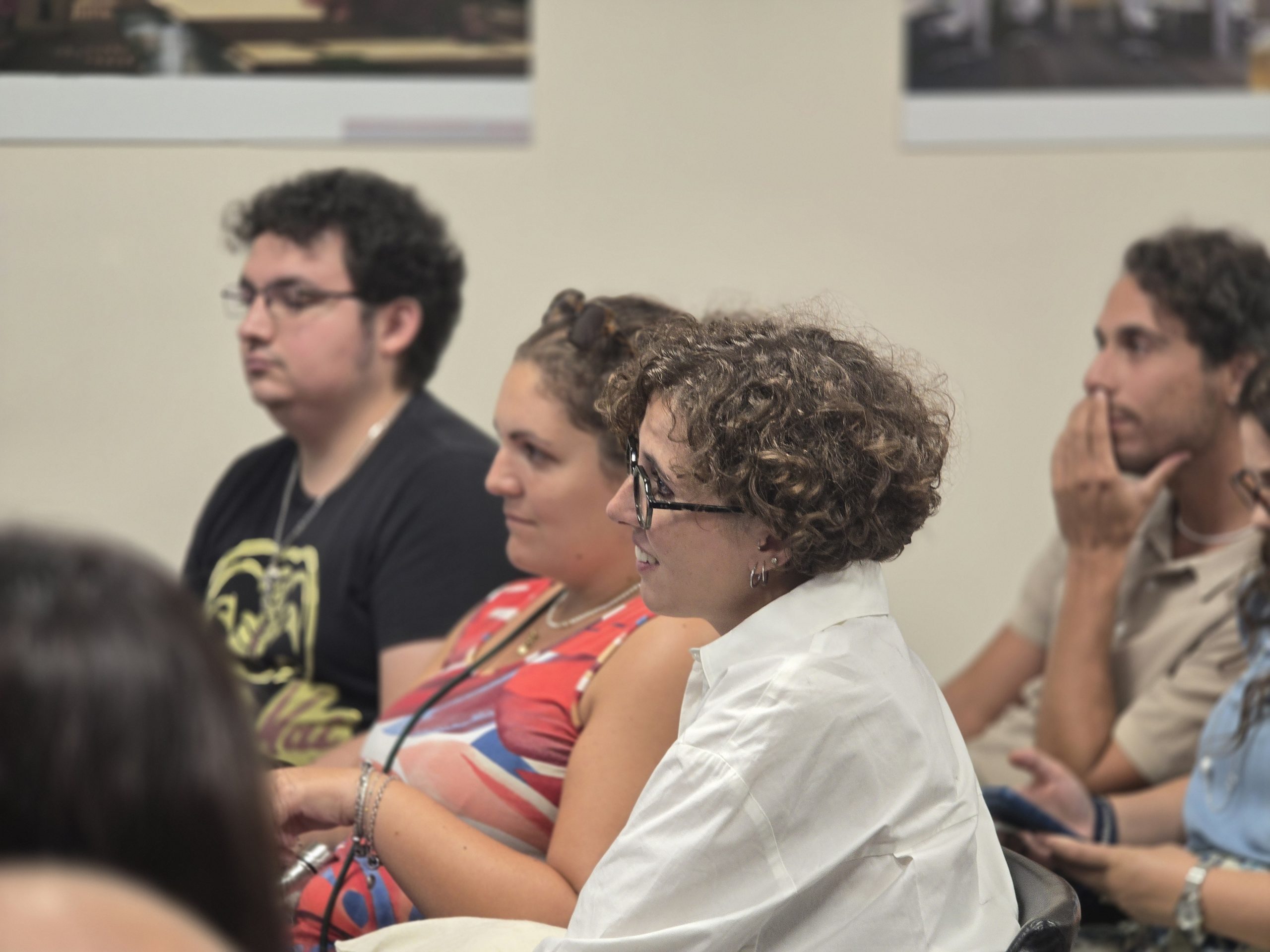
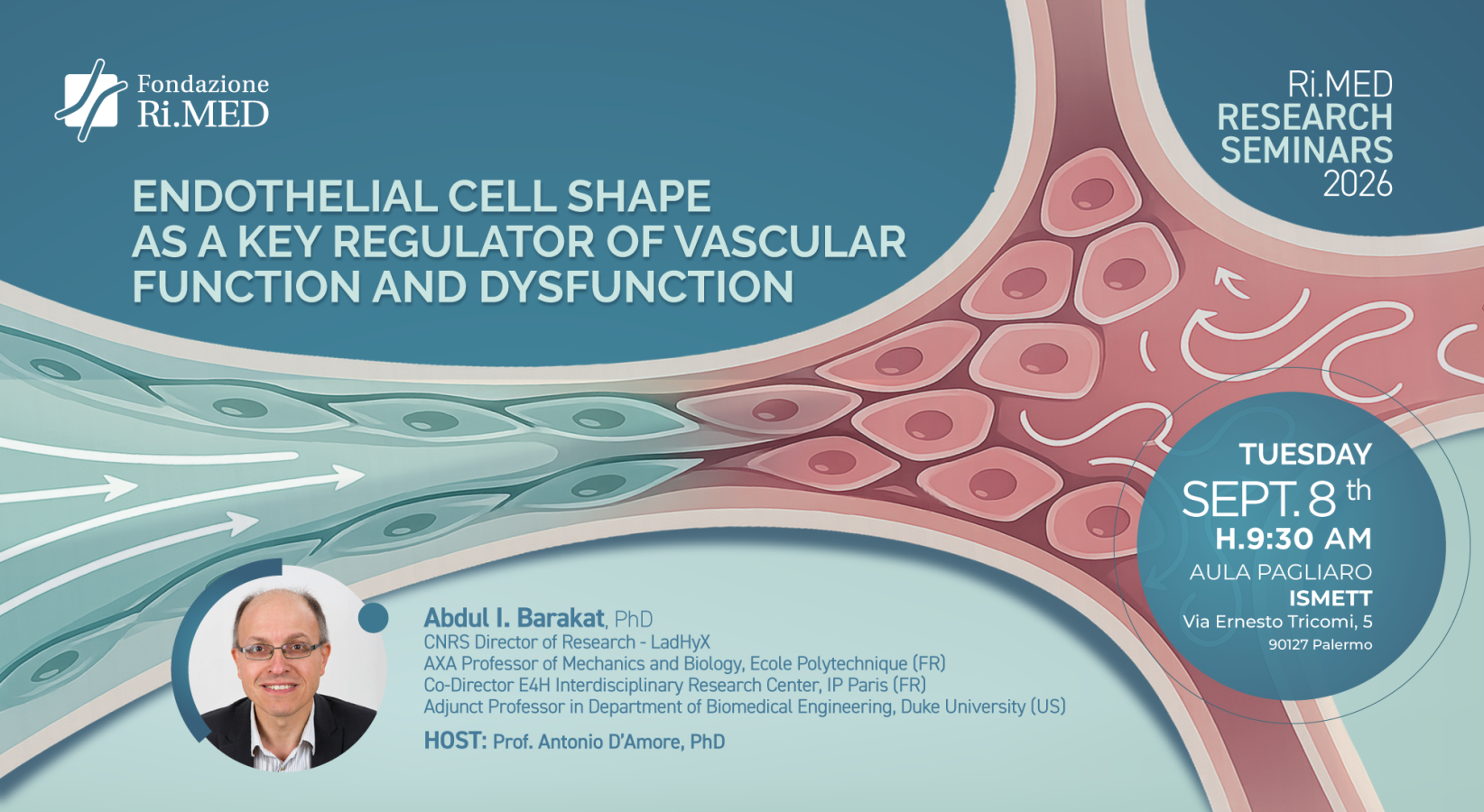
The fourth 2026 Ri.MED Research Seminar taking place on Sept 8, 2026 at 9:30 am in Aula Pagliaro, ISMETT was a great success! We thank Dr. Abdul Barakat for meeting us in Palermo and for sharing his work with our community!
Scientific Host:
Prof. Antonio D’Amore, PhD
Endothelial Cell Shape as a Key Regulator of Vascular Function and Dysfunction
by Abdul Barakat, PhD
CNRS Director of Research – LadHyX
AXA Professor of Mechanics and Biology, Ecole Polytechnique (FR)
Co-Director E4H Interdisciplinary Research Center, IP Paris (FR)
Adjunct Professor in Department of Biomedical Engineering, Duke University (US)
Attendance is free, but registration is required.
ABSTRACT: The pathological complications of atherosclerosis, namely heart attacks and strokes, are the leading cause of mortality in the world. It has long been known that early atherosclerotic lesions develop preferentially in regions of arterial branching and curvature where blood flow patterns are highly disturbed. In contrast, regions of undisturbed blood flow remain largely spared of early disease. Interestingly, arterial zones prone to atherosclerosis are also characterized by cuboidal (round) endothelial cells (ECs), whereas the cells in regions protected from atherosclerosis tend to be elongated and aligned in the flow direction. Therefore, there is considerable interest in elucidating the potential role of EC shape in regulating vascular function and dysfunction. In this talk, I will show that EC shape is determined not only by blood flow on the cells’ apical surface but also by the architecture of the basement membrane to which the cells’ basal surface is anchored. I will also discuss how EC shape regulates fundamental EC characteristics including their cytoskeletal organization, collective migration, and their ability to undergo angiogenic sprouting. I will conclude by demonstrating that active control of EC shape can be used as a tool to obtain targeted vascular function.
BIOSKETCH: Abdul Barakat is CNRS Director of Research and the AXA Professor of Mechanics and Biology at Ecole Polytechnique in France where he also co-directs the Engineering for Health Interdisciplinary Research Center and heads the Biomedical Engineering Graduate Program. He is also an Adjunct Professor of Biomedical Engineering at Duke University. Abdul Barakat obtained a Ph.D. in Biofluid Mechanics from MIT in 1994. He subsequently spent a year as an NIH Postdoctoral Fellow at the University of Chicago. In 1995, he was recruited as Assistant Professor in the Department of Mechanical and Aerospace Engineering at the University of California, Davis. He was promoted to Associate Professor in 2001 and to Full Professor in 2006. He relocated to France in 2010. In 2014, Abdul Barakat co-founded the startup company Sensome, which develops state-of-the-art sensor technologies to equip medical devices. His research interests are in vascular biomechanics and bioengineering, cellular mechanobiology, and endovascular devices. His research has resulted in over 300 peer-reviewed publications and communications and several patents. Abdul Barakat is an elected Fellow of the American Institute for Medical and Biological Engineering (AIMBE), and his research has been recognized over the years by a number of awards including a Permanent Chair Award from the AXA Research Fund, a Pfizer/Parke-Davis Atorvastatin Research Award, and the Eugenio Beltrami Prize for Senior Engineering Scientist.
For info: communication@fondazionerimed.com