
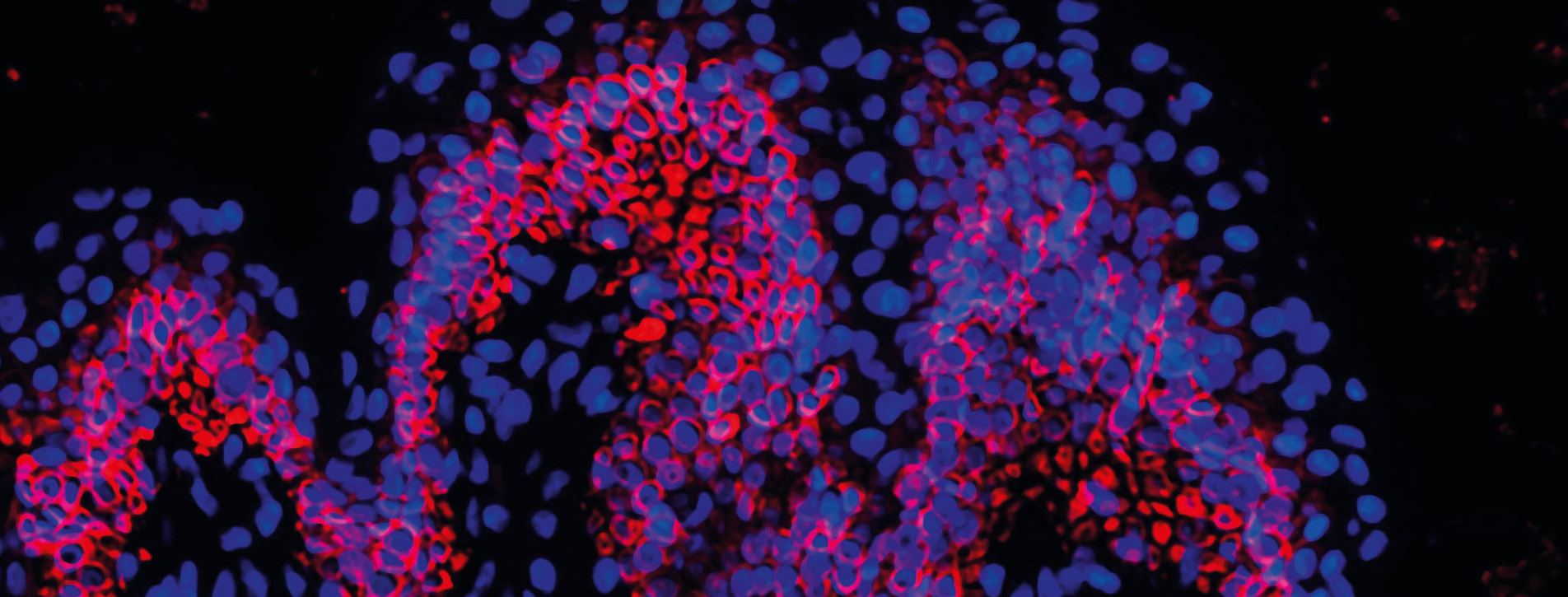
Polymeric systems for wound healing
Abstract
Mesenchymal stromal cell (MSC)-derived secretome and extracellular vesicles (EVs) are widely used in the development of regenerative medicine strategies due to their trophic, anti-inflammatory, immunomodulatory, and antifibrotic properties. This project aims to develop biomaterial-based systems for the local administration and controlled release of secretome and EVs, with the goal of prolonging their contact with injured tissue and optimizing their therapeutic activity.
Among the strategies developed is a hyaluronic acid (HA)-based hydrogel, with or without heparin, incorporating MSC secretome and intended for topical application. Its efficacy has already been evaluated in in vivo studies using murine models of chronic skin wounds, and the formulation is covered by an international patent. In addition, an injectable, self-healing hydrogel has been designed as an EV delivery system, together with electrospun patches produced from aqueous solutions (waterborne electrospun patches).
A particularly relevant aspect is the remodeling phase of wound healing, during which dysregulation of repair processes can lead to excessive extracellular matrix deposition and fibrotic tissue formation. In this context, the antifibrotic properties of the secretome could help limit scar tissue formation and promote higher-quality skin repair. The effects of the HA hydrogel incorporating secretome on tissue remodeling are currently under investigation.
Impact
Chronic skin wounds, often associated with systemic conditions such as diabetes and vasculitis, surgical complications, or aging, represent a significant clinical challenge, with substantial consequences for patients’ quality of life and healthcare costs. The difficulty of achieving complete and high-quality tissue repair, together with the risk of scarring and fibrosis, highlights the need for new therapeutic options. The incorporation of MSC-derived biological products into biomaterial-based systems represents a promising strategy for expanding treatment options for difficult-to-heal skin wounds. Preclinical research may provide the evidence needed to assess the therapeutic efficacy of these approaches and support their further development towards potential clinical applications in regenerative medicine.
Joint project Fondazione Ri.MED/IRCCS ISMETT
Pipeline
-
CLINICAL
NEED -
DISEASES
ANALYSIS - DISCOVERY
-
PRECLINICAL
VALIDATION -
PRECLINICAL
DEVELOPMENT -
CLINICAL
STUDIES
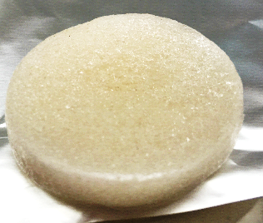
Principal Investigator
Contact
Team di progetto:
Paolo Accardo
Therapeutic area
Product
Advanced Therapy Medicinal Products (ATMP)/Biological drugs
Scarica il pdf del progetto
Collaborations
- Mediterranean Institute for Transplantation and Advanced Specialized Therapies (IRCCS ISMETT), Palermo
- Laboratoty of Biocompatible Polymers, Department STEBICEF, University of Palermo
- IRET Foundation, Tecnopolo di Bologna, Bologna
- La Maddalena Cancer Center, Palermo