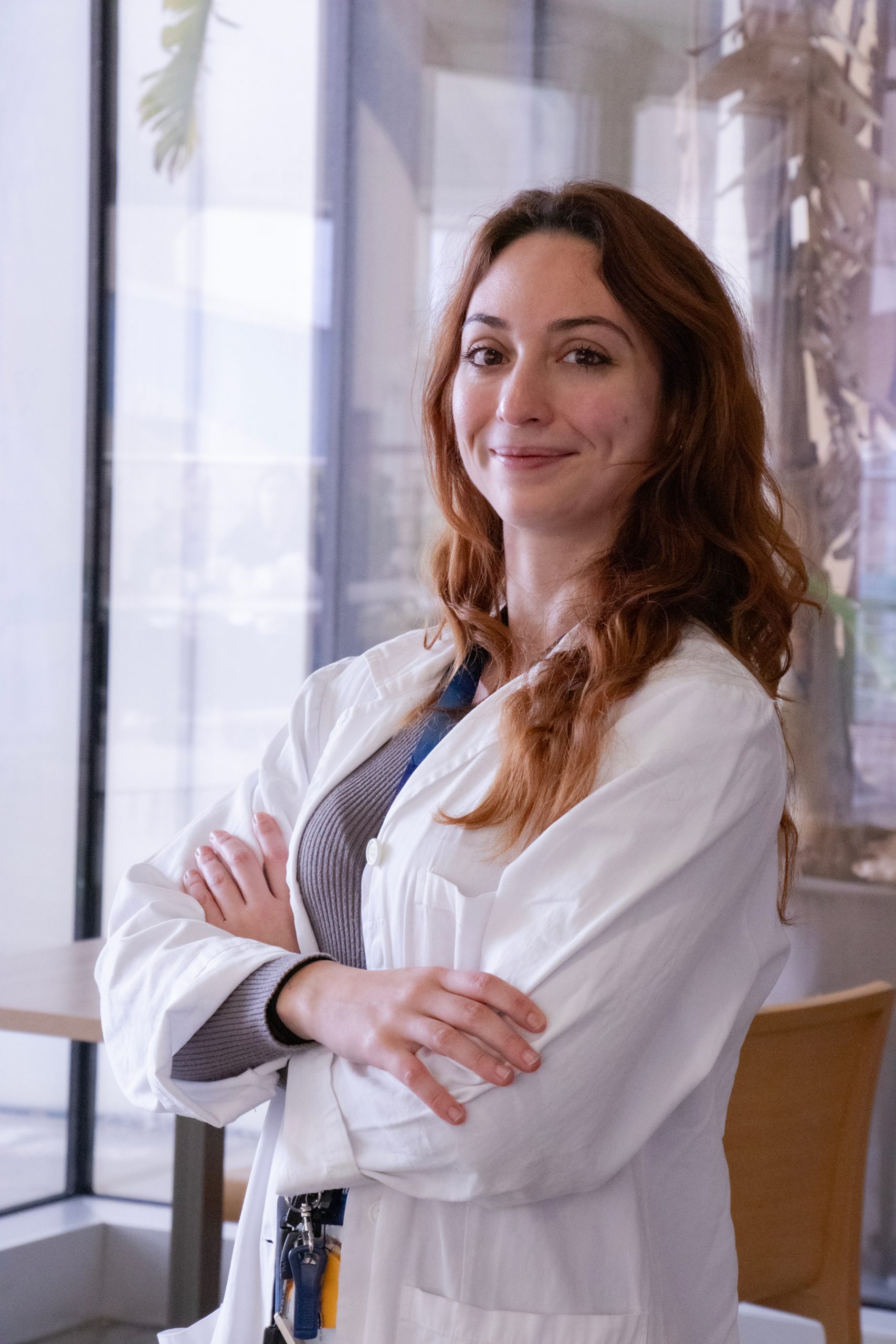

Simone Dario Scilabra, PhD
Group coordinator
sdscilabra@fondazionerimed.com
ADDRESS:
Department of Research ISMETT
Via Ernesto Tricomi,5
90127 PALERMO, Italy
Facilities:
Collaborations:
Institute for Aging and Chronic diseases, University of Liverpool, UK
German Center for Neurodegenerative Diseases (DZNE), Munich, Germany
Queen Mary University of London, UK
Norwich Medical School, University of East Anglia, Norwich, UK
Dipartimento di Scienze Farmacologiche, University of Pisa, Italy
Dipartimento di Scienze e Tecnologie Biologiche Chimiche e Farmaceutiche (STEBICEF), University ofPalermo, Italy
Weill Cornell Medicine Graduate School of Medical Sciences, New York, US
Description
The proteomics laboratory currently comprises two postdoctoral researchers, two PhD students, one proteomics scientist, and two MSc trainees from the University of Palermo.
The research group is structured around two main research lines:
-
the use of high-resolution proteomics to study a specific class of proteases, the ADAMs (a disintegrin and metalloproteinases), and the molecular mechanisms they regulate in different pathophysiological contexts;
-
the development and application of cutting-edge proteomics methodologies for the analysis of clinically derived biological fluids, aimed at identifying biomarkers for precision medicine across a range of diseases, including cancer and neurodegenerative disorders, and organ transplantation.
1. ADAM research
Given their ability to release proteins from the cell surface through ectodomain shedding, ADAMs are involved in numerous fundamental cellular processes, including cell–cell communication, cell adhesion, and the regulation of molecular transport. The laboratory employs an integrated approach combining quantitative proteomics, cell biology, biochemistry, and in vivo models to identify novel ADAM substrates and to define the cellular and pathophysiological functions controlled by these proteases.
In particular, research activities are focused on characterizing previously unrecognized functions of ADAM17 and its essential cofactors, iRhom1 and iRhom2, using mass spectrometry–based approaches. A notable example of this work is the recent identification of an iRhom2-mediated mechanism regulating the maturation of MHC class I molecules, as well as the investigation of how iRhom1 and iRhom2 modulate the ADAM17 sheddome, defined as the repertoire of protein substrates processed by this protease.
2. Clinical proteomics
The group has developed and optimized a range of methodologies for proteomic analysis of biological fluids obtained directly from patients. The integration of these protocols with Astral mass spectrometry—currently the most advanced system within the Orbitrap platform—has enabled unprecedented analytical depth in the study of biological fluids.
These approaches have been successfully applied to the analysis of cerebrospinal fluid from patients with Alzheimer’s disease, allowing the identification of diagnostic markers capable of discriminating between different forms of the disease, as well as to the analysis of biological fluids from organ transplant recipients. This research line benefits from strong clinical collaborations at both the local level—particularly with ISMETT and the University Hospital of Palermo—and the national level, including partnerships with the Giuliano Isontina University Health Authority (ASU GI), the Friuli Centrale University Health Authority (ASU FC), the Rizzoli Orthopaedic Institute, and Humanitas Rozzano, among others.
Team
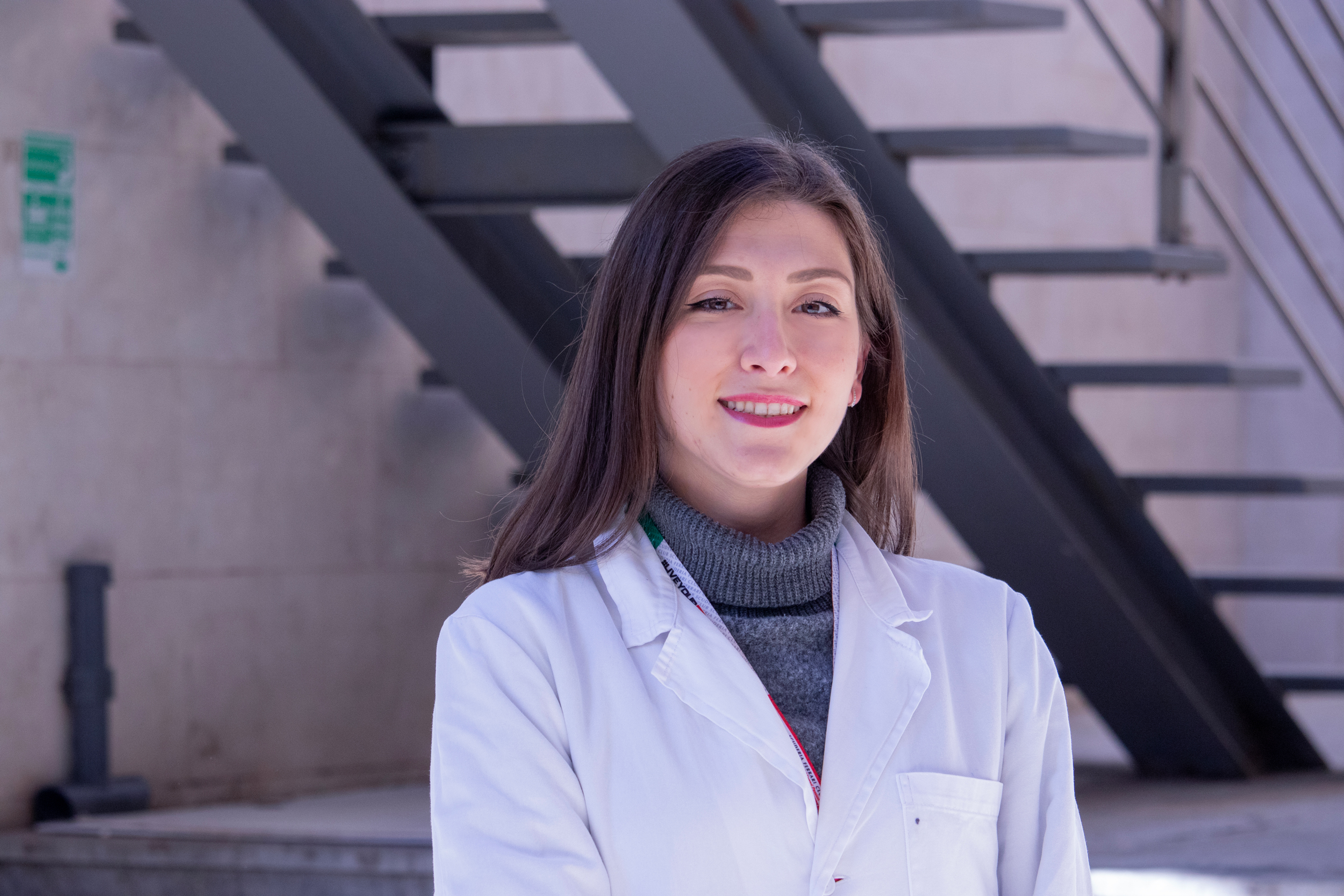
Elisabetta Scalia
PhD Student in Technologies and Sciences for Human Health - Università degli Studi di Palermo