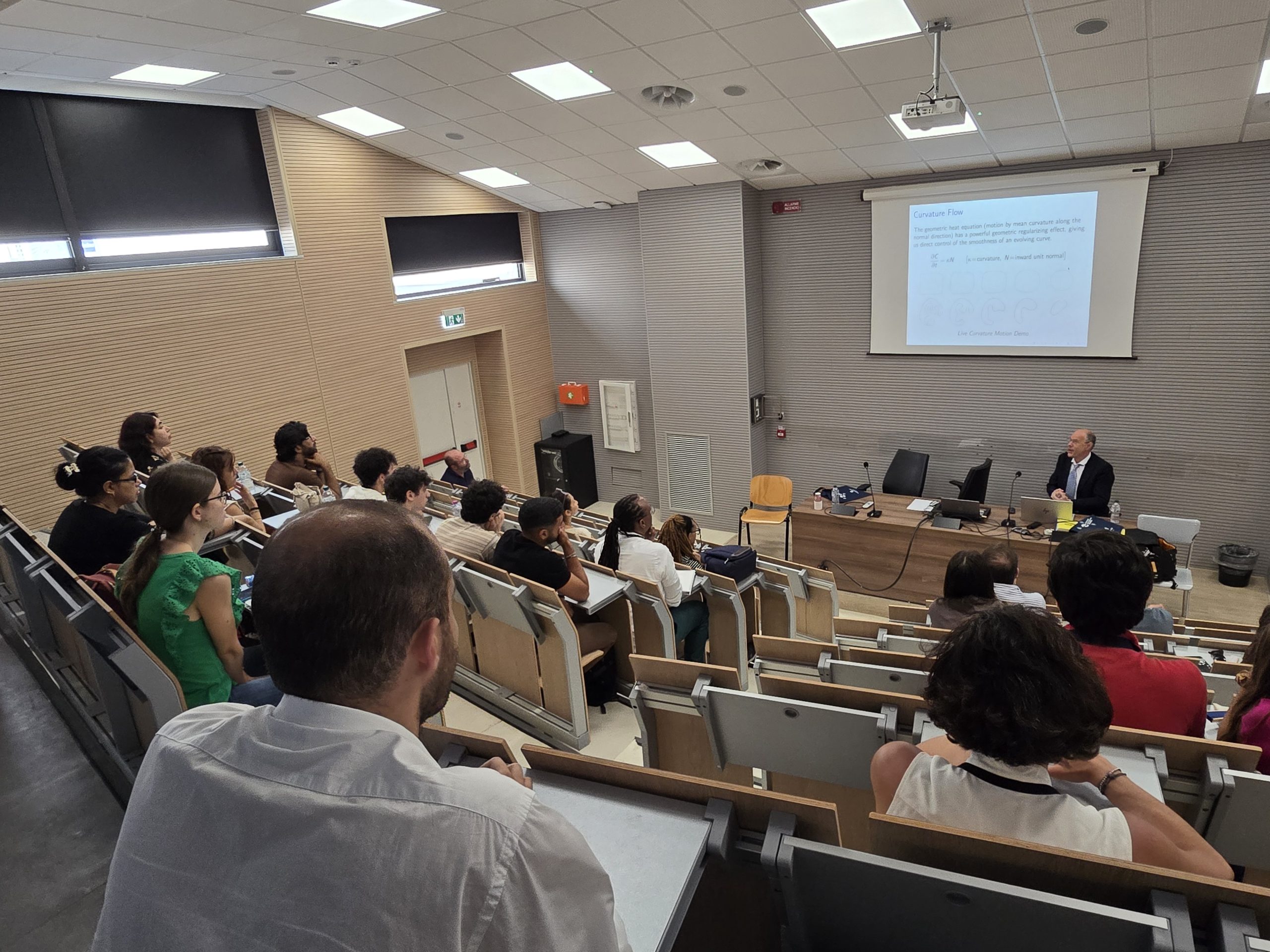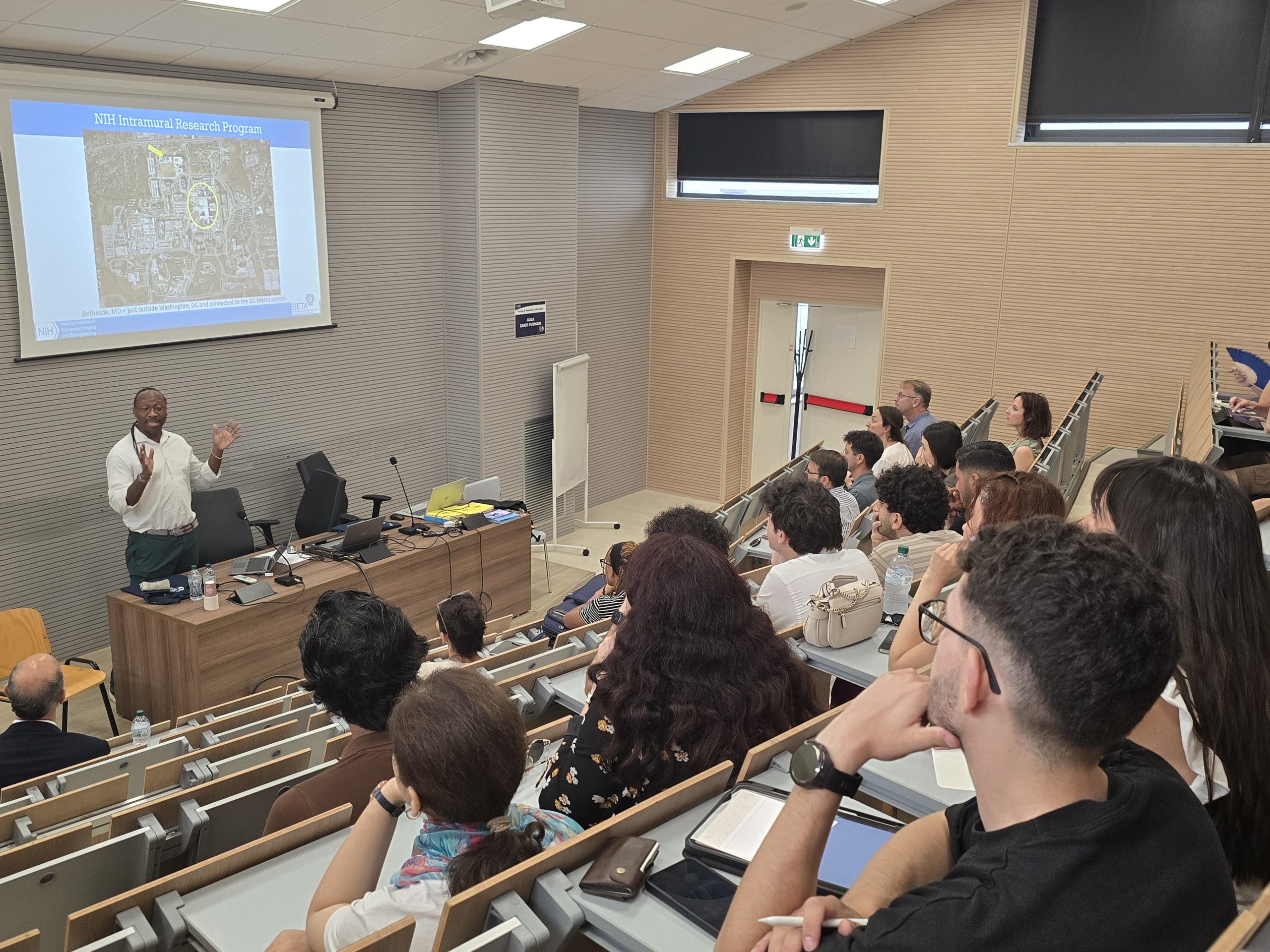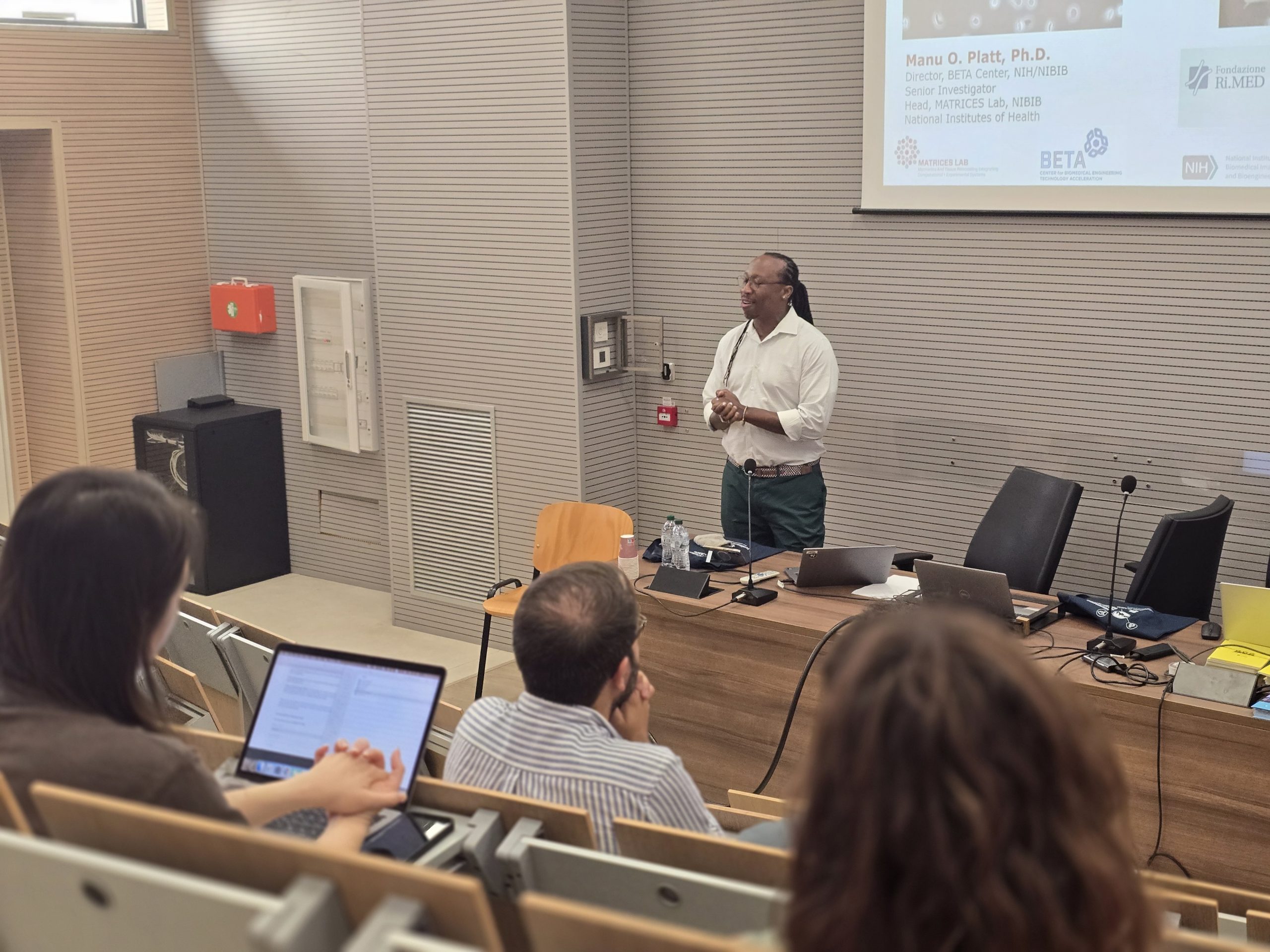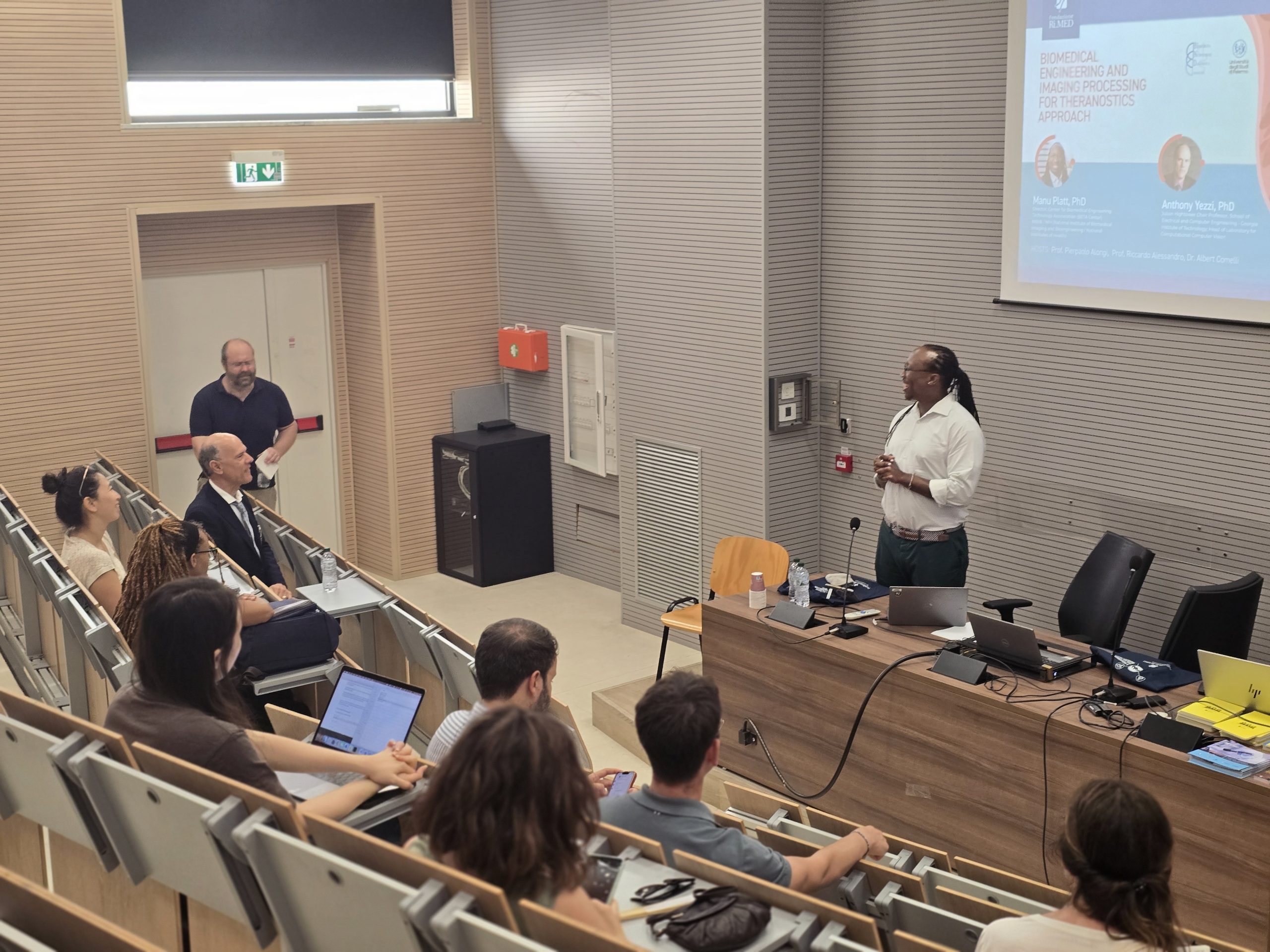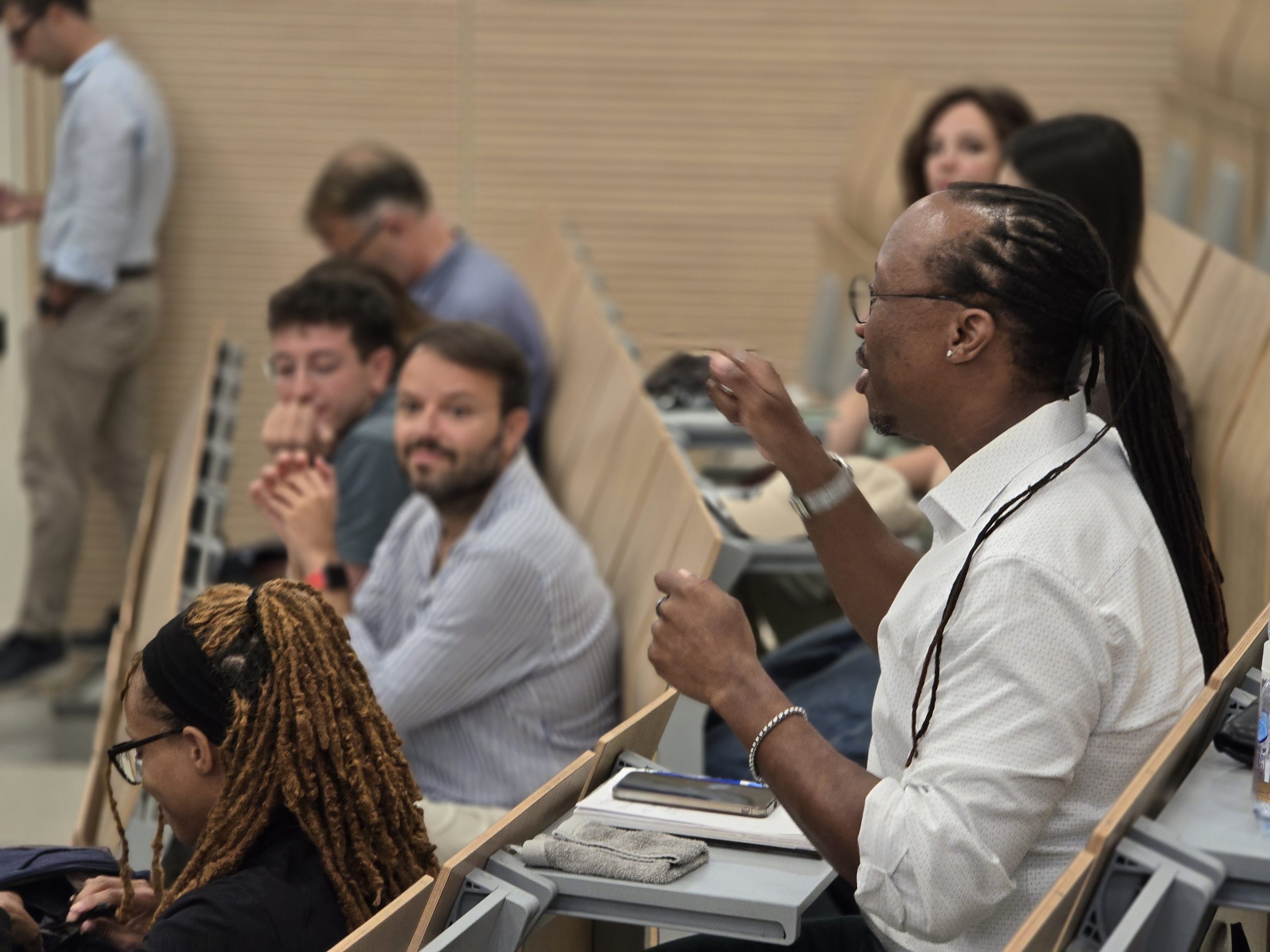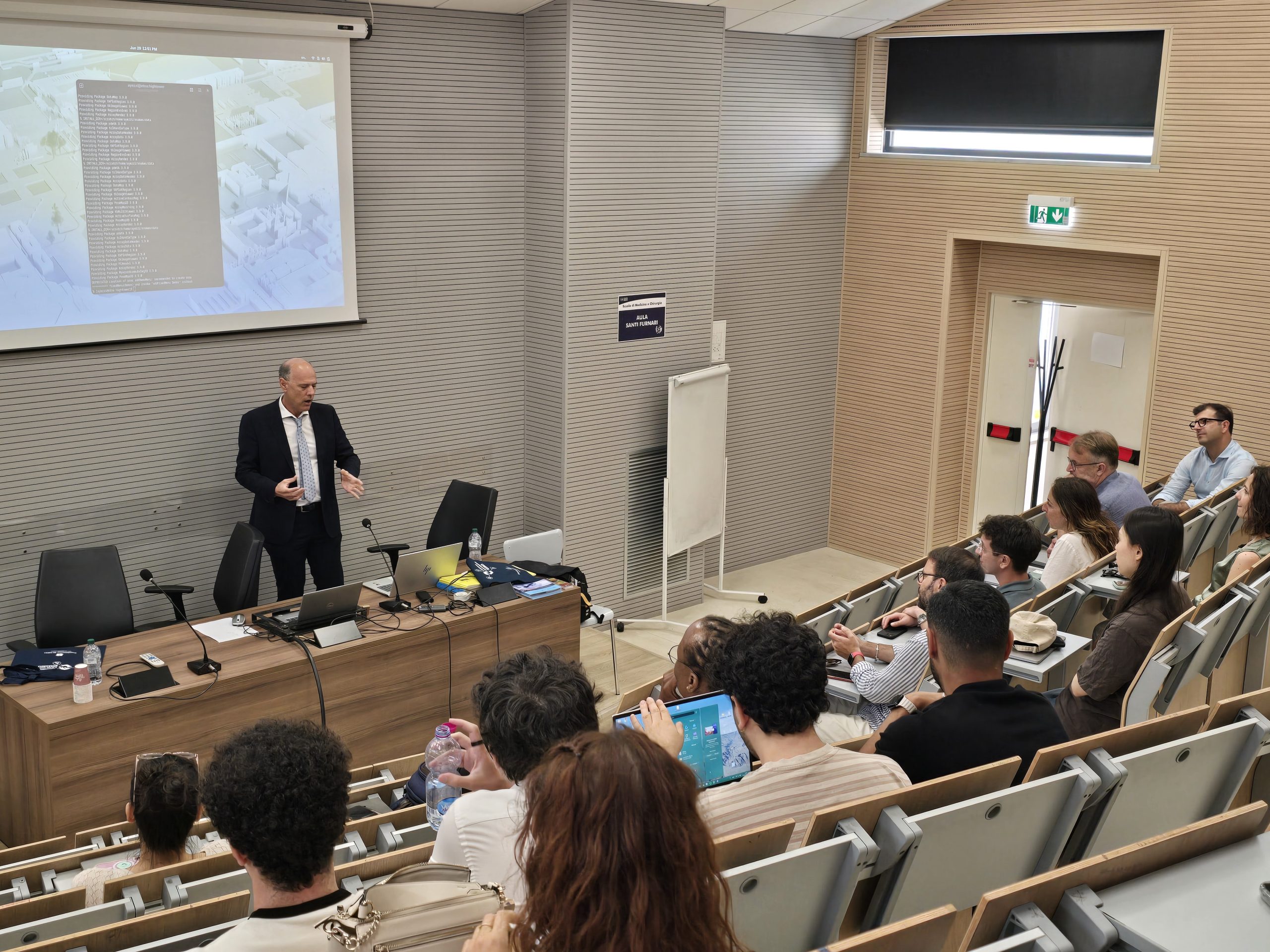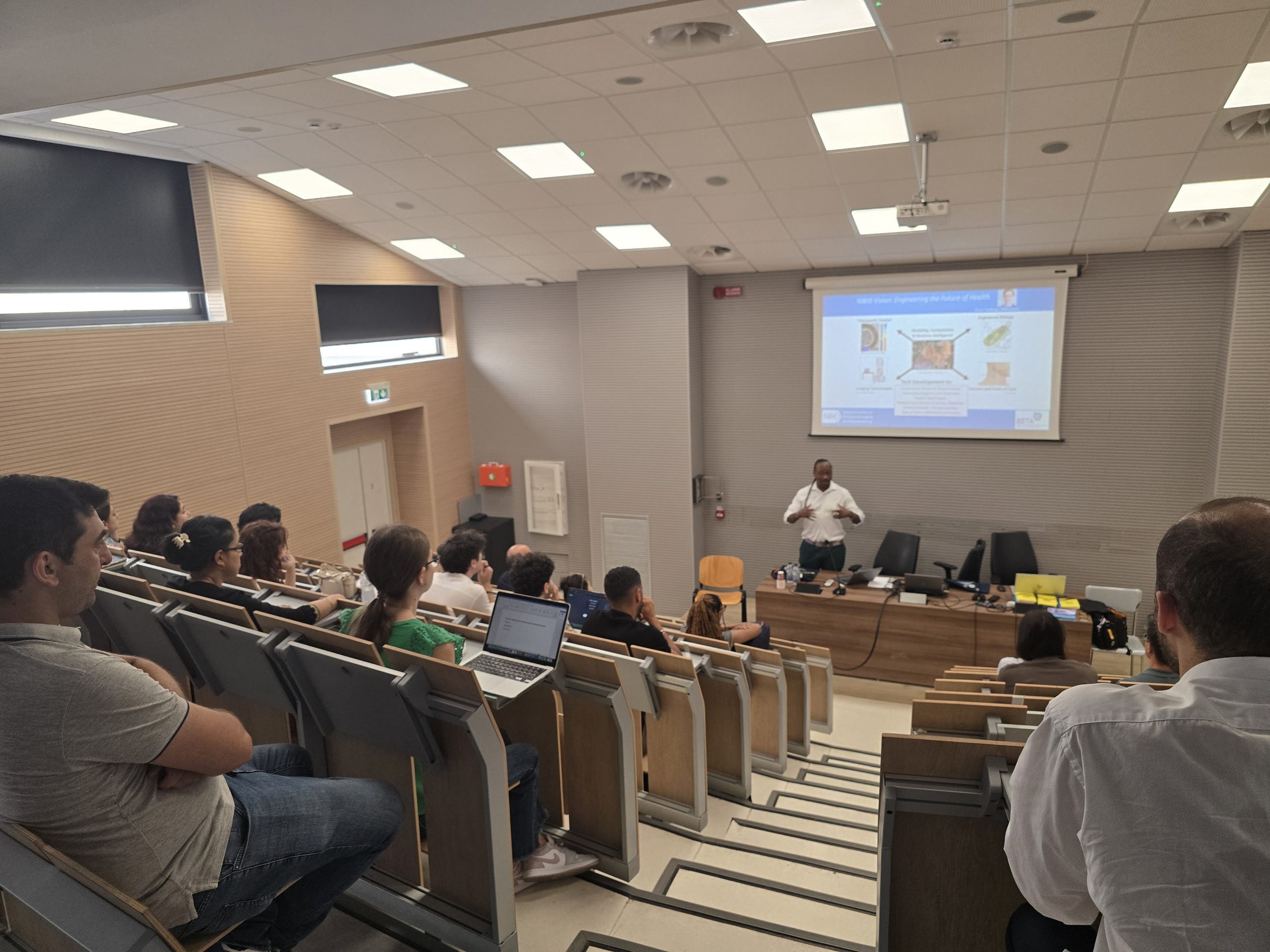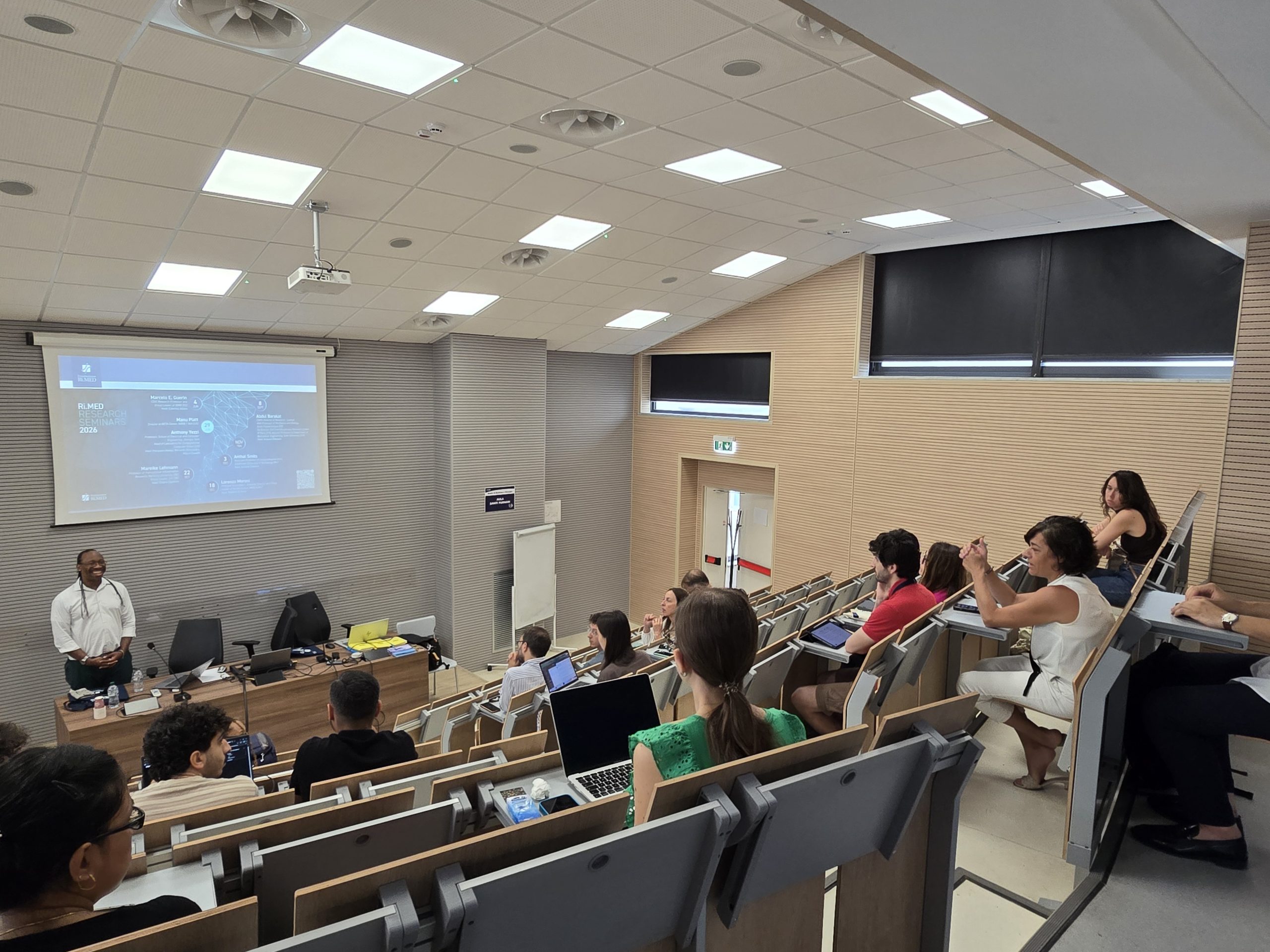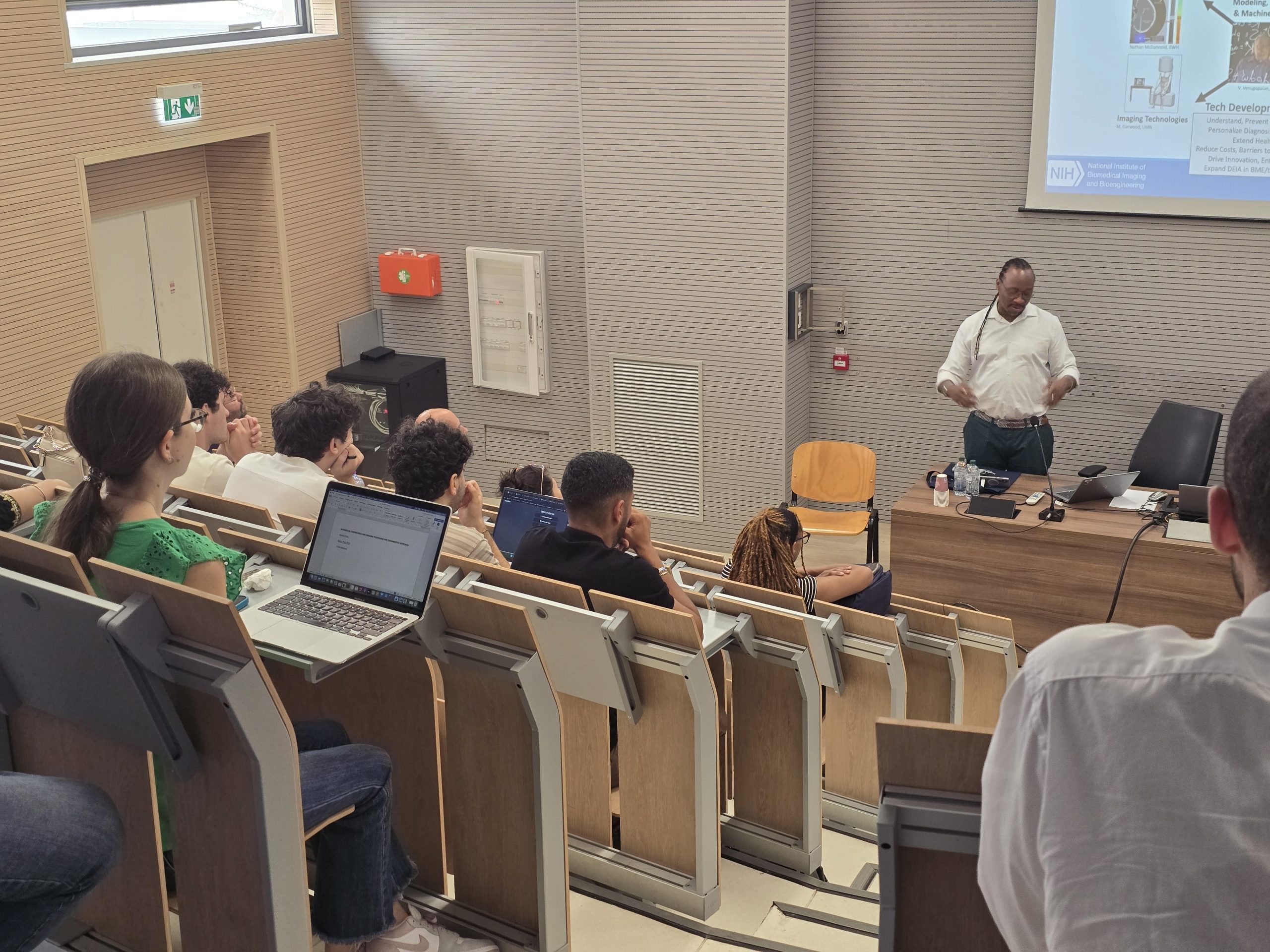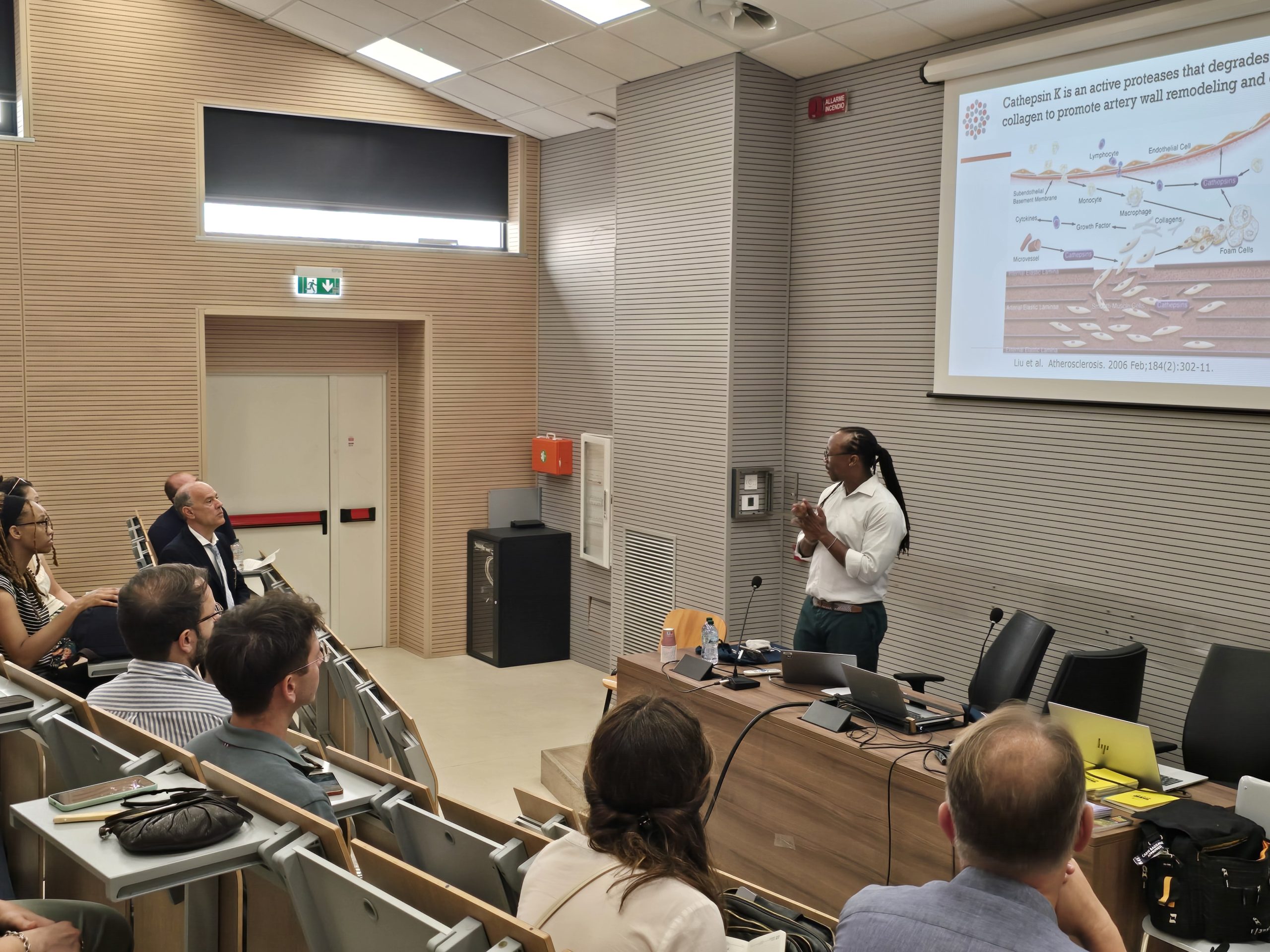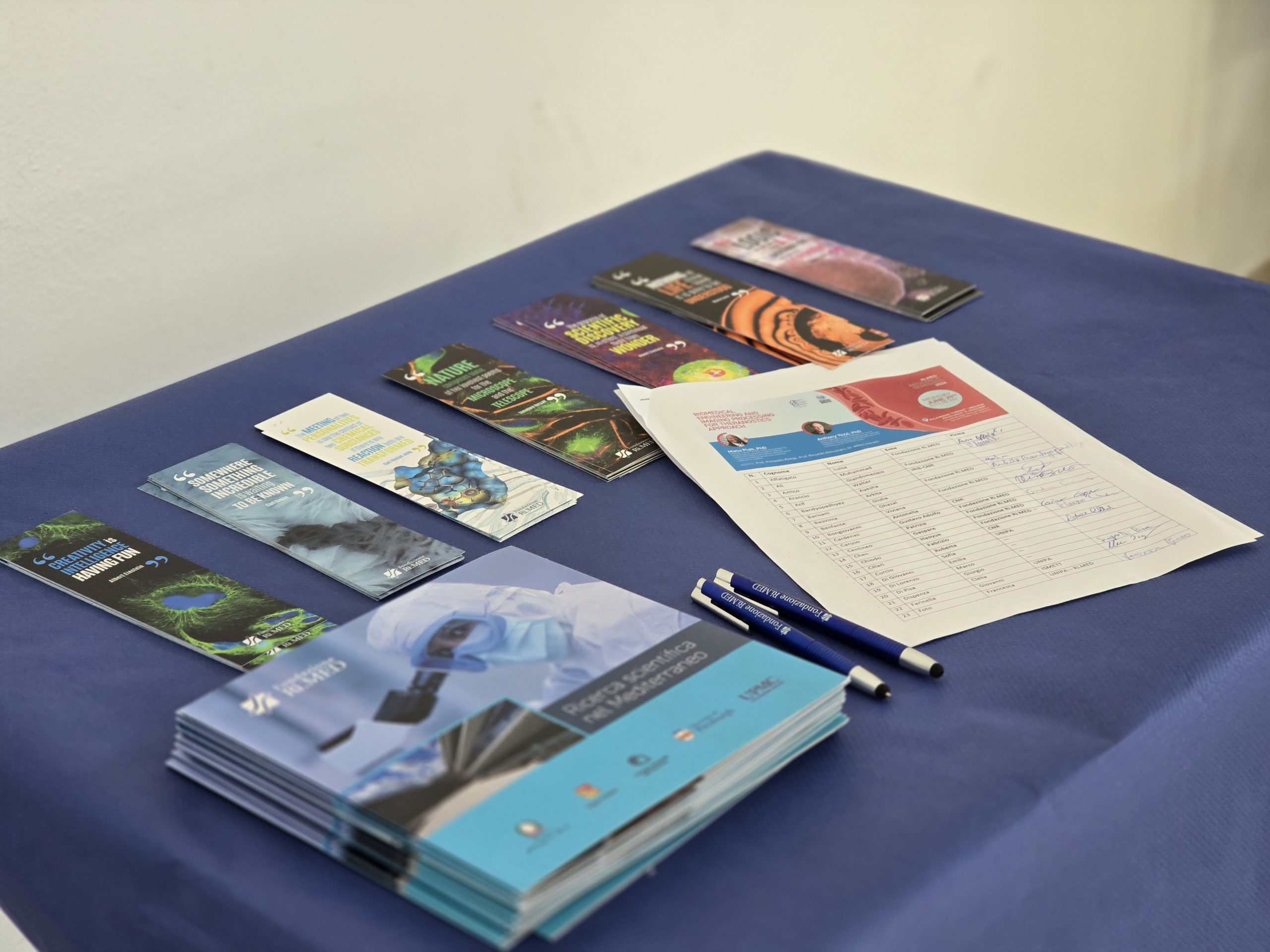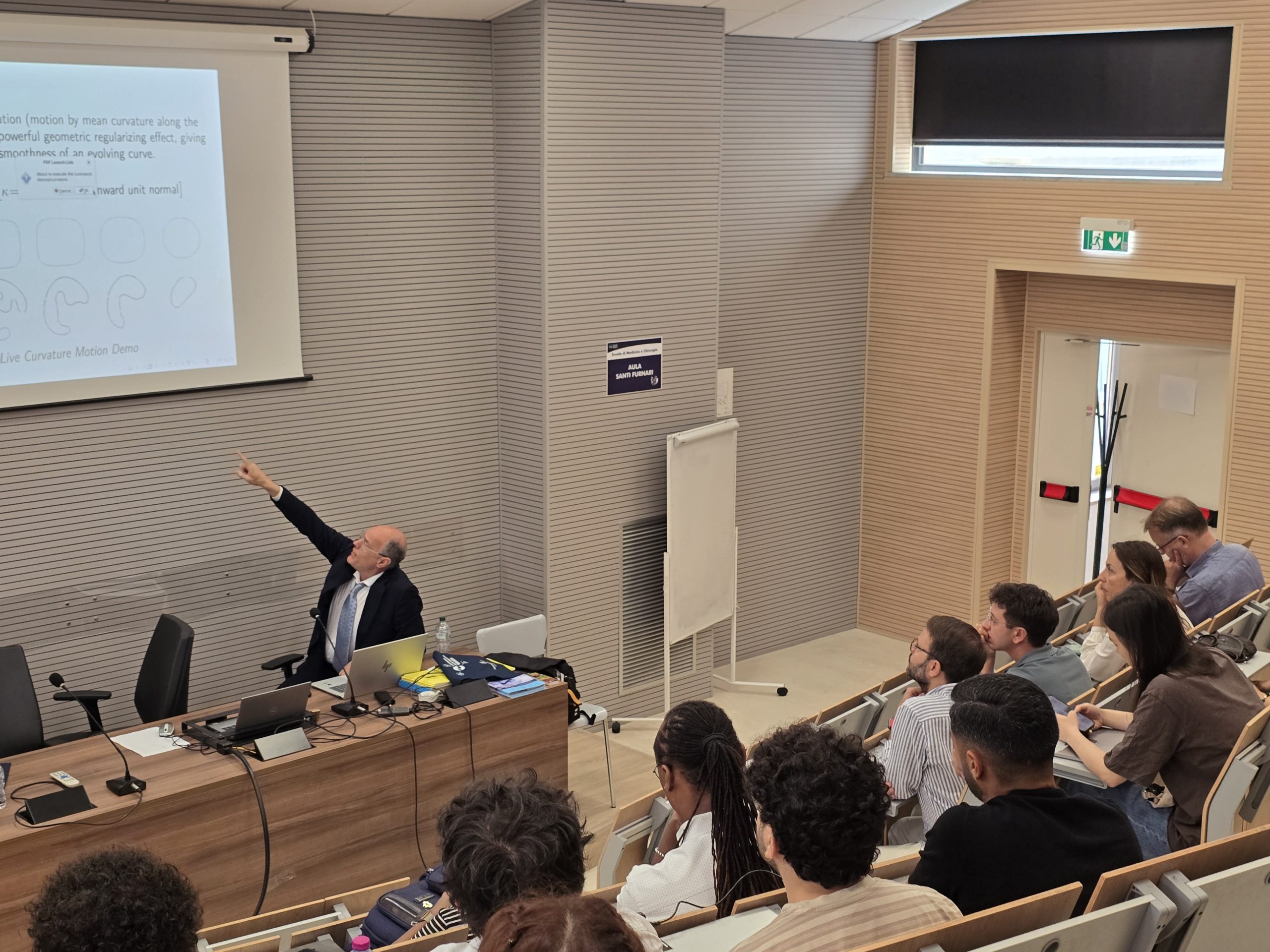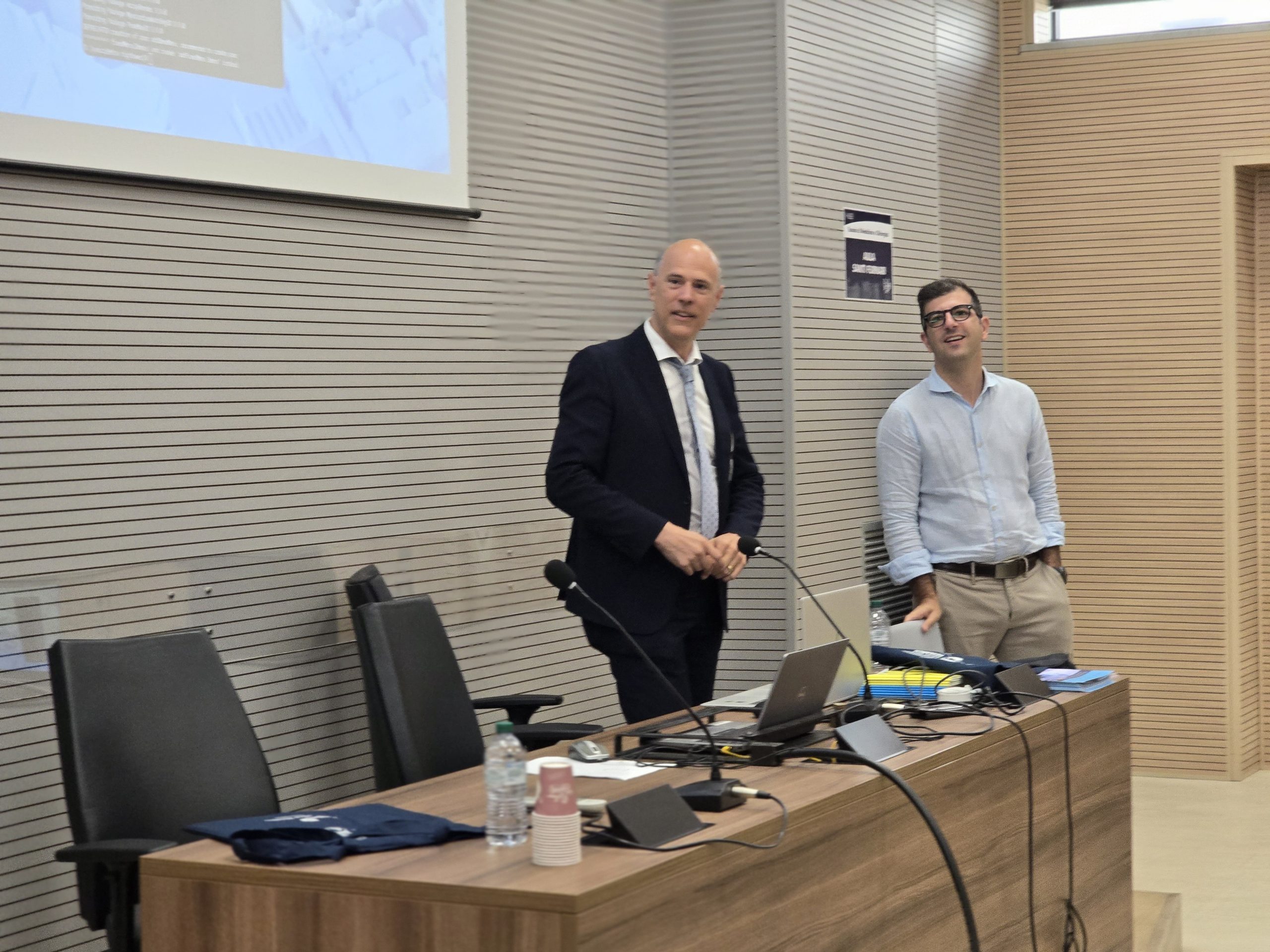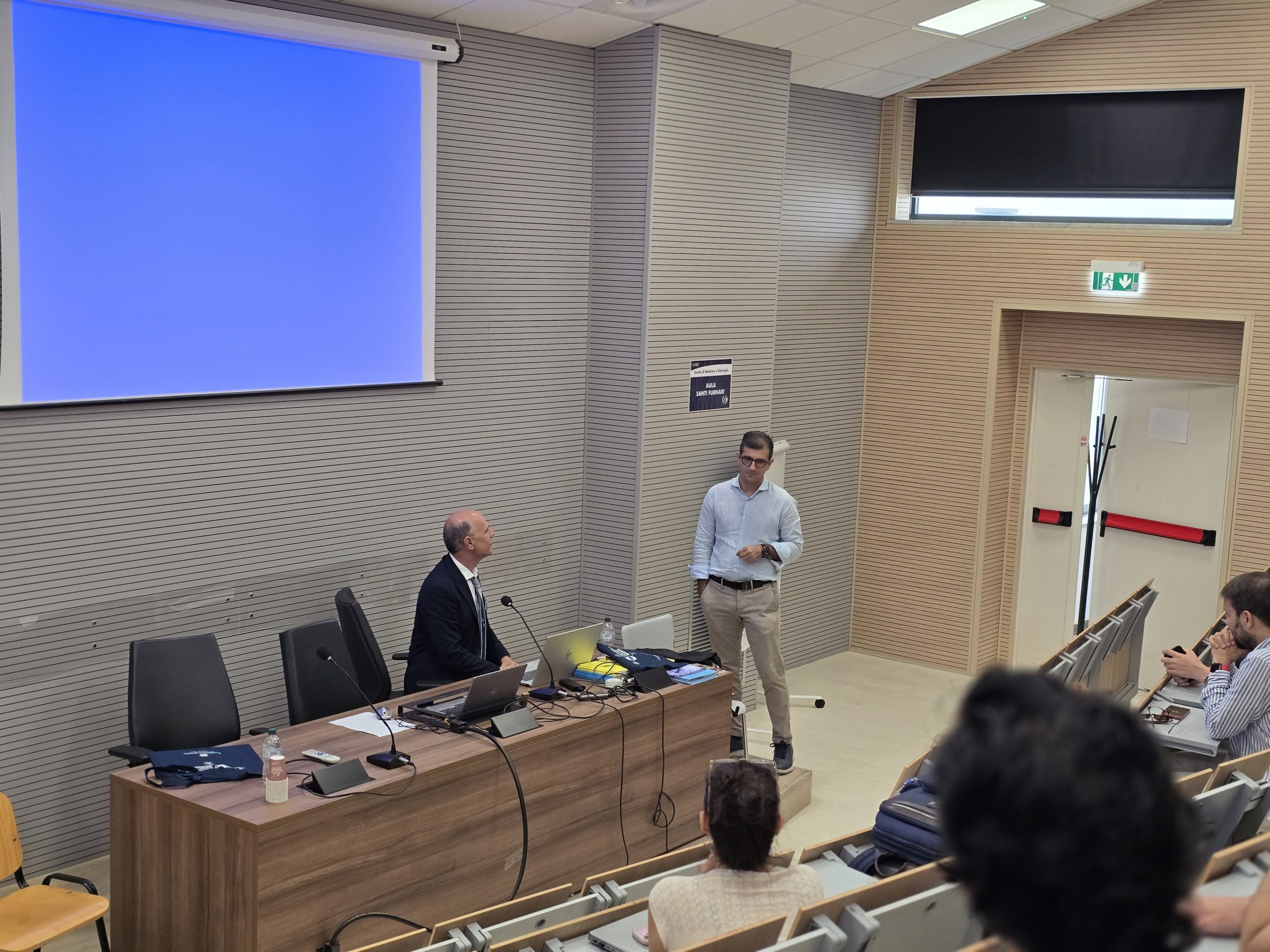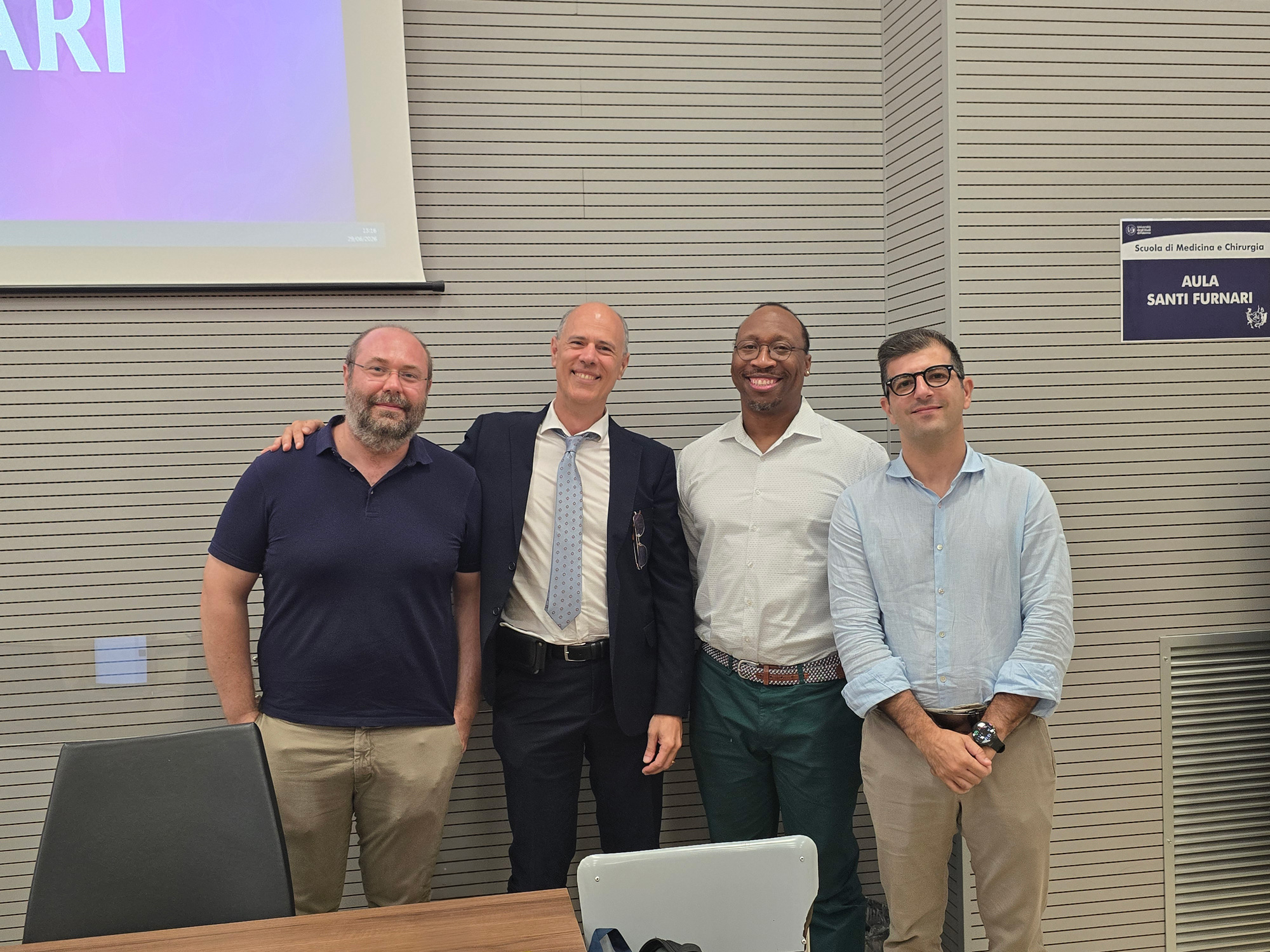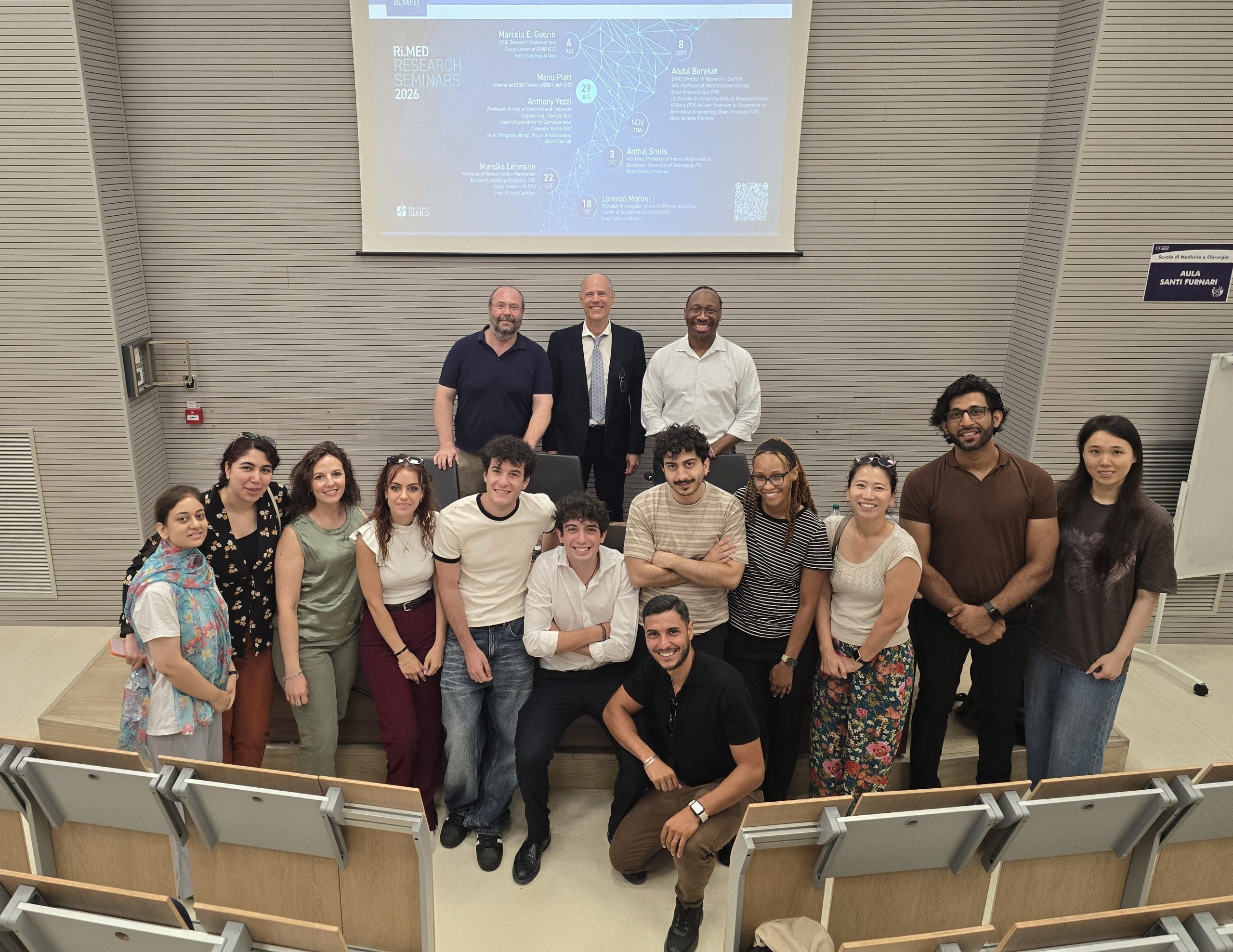
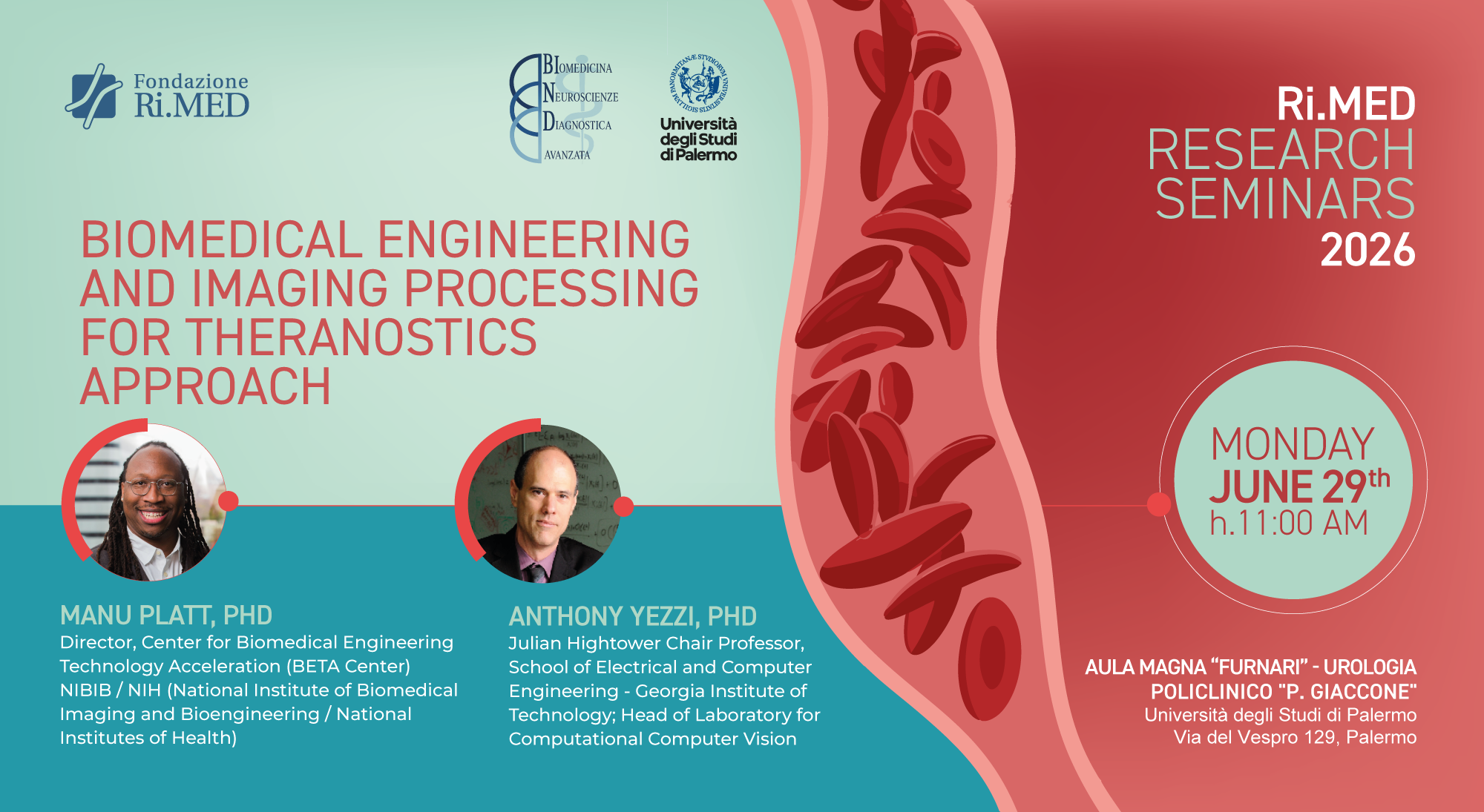
The second 2026 Ri.MED Research Seminar taking place on 29 June at 11 am in AULA MAGNA “FURNARI” – UROLOGIA Policlinico “P. Giaccone” – Università degli Studi di Palermo was a great success! We thank Dr. Manu Platt and Dr. Anthony Yezzi for meeting us in Palermo and for sharing their science with our community!
Scientific Hosts:
Prof. Pierpaolo Alongi
Prof. Riccardo Alessandro
Dr. Albert Comelli
Accelerated Large Artery Damage and Stroke Risk Caused by Sickle Cell Disease: Biomedical Engineering and Imaging Approaches
by Manu Platt, PhD
Director, Center for Biomedical Engineering Technology Acceleration (BETA Center)
NIBIB / NIH (National Institute of Biomedical Imaging and Bioengineering / National Institutes of Health)
ABSTRACT: If left untreated, 11% of children born with sickle cell disease will have a major stroke by age 16, and 30-35% will have a silent stroke impairing cognitive abilities. Later in life, risk for hemorrhagic stroke increases, suggesting an age-related component to arterial damage. Significantly higher velocities measured with transcranial Doppler in cerebral arteries implicates children at risk for strokes with disturbed cerebral hemodynamics. Cathepsins are a family of proteases containing the most potent human elastases and collagenases that we have shown to be upregulated by disturbed blood flow and by inflammatory stimuli, known to be elevated in sickle cell disease. Biomechanical and biochemical stimuli are integrated to accelerate pathological remodeling of large arteries in these children. We will present our multiscale approach and results demonstrating these links between disturbed blood flow and chronic inflammation caused by sickling red blood cells, from the cellular level to transgenic animal models up through human computational fluid dynamics to identify new pharmacological targets to prevent this accelerated artery damage, and show the effect of translational approaches such as radiomics and curative bone marrow transplants to protect the vasculature of people living with sickle cell disease.
BIOSKETCH: Dr. Manu Platt became the inaugural director of the NIH-wide Center for Biomedical Engineering Technology Acceleration (BETA Center) housed within NIBIB, as a new NIH campus model for accelerating technology-driven interdisciplinary research and clinical translation and to bring engineering, clinicians, and basic scientists together in February 2023. Dr. Manu Platt earned his B.S. in Biology from Morehouse College and Ph.D. from Georgia Tech/Emory in Biomedical Engineering. After a postdoc at MIT, he returned to Georgia Tech/Emory’s joint department as an Assistant Professor where he worked up to promotion to full Professor. His research program focuses on proteolytic mechanisms of disease, translational approaches to reduce strokes in people affected by sickle cell disease, and harnessing proteolytic networks and systems biology tools to predict disease progression. Among other awards, Dr. Platt was awarded the Biomedical Engineering Society Diversity Award, is a Fellow of American Institute for Medical and Biological Engineering (AIMBE), Fellow of Biomedical Engineering Society, the Root 100 in 2019, and AAAS Mentor Award in 2021.
Active Contours and Surfaces in Image Processing and Shape Reconstruction
by Anthony Yezzi, PhD
Julian Hightower Chair Professor, School of Electrical and Computer Engineering – Georgia Institute of Technology
Head of Laboratory for Computational Computer Vision
ABSTRACT: Ever since the inception of the original “Snakes” algorithm by Kass, Witkin, and Terzopoulos, various forms of active contours have become a major forefront of research in image processing and computer vision. In this talk, we will partially trace the development of active contours from older simpler models to more recent complex models with a special emphasis on active contour models derived from the Calculus of Variations. We will include some recently developed classes of active contours derived from Sobolev gradients as well as distribuited acceleration methods which render them less sensitive to undesired local minimizers.
While historically the biggest weakness of variational methods has indeed been their sensitivity to local minimizers in the absence of a decent initialization, the advancement of machine learning methods now offers new opportunities for effective initialization strategies which can be further refined by the application of these model based PDE methods. Throughout the talk we will demonstrate the application of active contours, and their 3D counterparts (active surfaces), on a variety of problems ranging from medical image segmentation, multiview stereo 3D surface reconstruction, image registration, and visual tracking.
BIOSKETCH: Dr. Anthony Yezzi holds the position of Julian Hightower Chair Professor within the School of Electrical and Computer Engineering at Georgia Institute of Technology where he directs the Laboratory for Computational Computer Vision. He has over thirty years of research experience in shape optimization via geometric partial differential equations. He obtained his Ph.D. in Electrical Engineering in December 1997 from the University of Minnesota with a minor in mathematics. After completing a postdoctoral research appointment at Massachusetts Institute of Technology, he joined the faculty at Georgia Tech in August 1999. Dr. Yezzi’s research lies primarily within the fields of image processing and computer vision with a particular emphasis on medical imaging and 3D surface reconstruction. He has co-authored over 300 papers, has developed and continues to maintain over 185,000 lines of code, and consulted for a number of companies including GE, 3M, MZA, Philips, Picker, VTI, Aetrex, and Children’s Healthcare of Atlanta. His work spans a wide range of image processing and vision problems including image denoising, edge-detection, segmentation, shape analysis, multi-view stereo reconstruction, visual tracking, and registration. Some central themes of his research include curve and surface evolution, differential geometry, partial differential equations, and shape optimization.
For info: communication@fondazionerimed.com