

Maria Giovanna Francipane, Ph.D.
Group coordinator
mgfrancipane@fondazionerimed.com
Contacts:
Department of Laboratory Medicine and Advanced Biotechnologies
Istituto Mediterraneo per i Trapianti e Terapie ad Alta Specializzazione (IRCCS – ISMETT)
Via Ernesto Tricomi, 5
90127 PALERMO
mgfrancipane@fondazionerimed.com
Facilities:
Collaborations:
Istituto Mediterraneo per i Trapianti e Terapie ad Alta Specializzazione (IRCCS ISMETT), Palermo, Italia
Description
The group focuses on developing regenerative strategies for biliary diseases, guided by two central questions:
- Can failing bile ducts be replaced with bioengineered tissue or supported using organoids derived from biliary epithelial cells?
- Can organoids that model biliary disease accelerate the development of new therapies?
A major achievement is a patent application and a publication in Advanced Healthcare Materials describing an implantable bile duct substitute. The prototype features a three-layer design:
- Core: Electrospun PCL for mechanical stability
- Inner layer: Biliary epithelial cells embedded in ColMA, forming a biliary-like epithelium
- Outer layer: Acellular ColMA to support host integration
Key innovations include the first reported combination of PCL and ColMA in a biliary construct, the use of biliary epithelial cells as the cellular component, and a reproducible fabrication workflow supported by multidisciplinary characterization. The prototype demonstrated strong mechanical performance, leak-proof function, and bile acid transport, along with a favorable immune profile in ex vivo blood assays. While developed for biliary repair, the materials and fabrication strategy are adaptable to other tubular structures.
Ongoing activities
The prototype initially relied on biliary epithelial cells expanded in 2D. To improve biliary-like epithelium formation, the team has transitioned to 3D organoid systems. These organoids are co-cultured with mesenchymal stromal and endothelial cells to generate a more physiologically relevant cell source that, once integrated, can enhance tissue architecture and support vascularization after implantation. An in vivo safety study of the upgraded prototype is currently planned.
To generate clinically relevant organoid phenotypes, the team is correlating biophysical properties with molecular profiles using the W8 Physical Cytometer and the CASTOR & POLLUX platform.
In parallel, the group has developed scaffold-free and scaffold-based 3D cultures of intrahepatic cholangiocarcinoma cells and is beginning studies on how stress-response pathways influence proliferation, invasion, and chemoresistance.
Impact
By combining medical device development, organoid cultures, and disease modeling, the group aims to advance new therapeutic approaches for biliary disorders.
Team
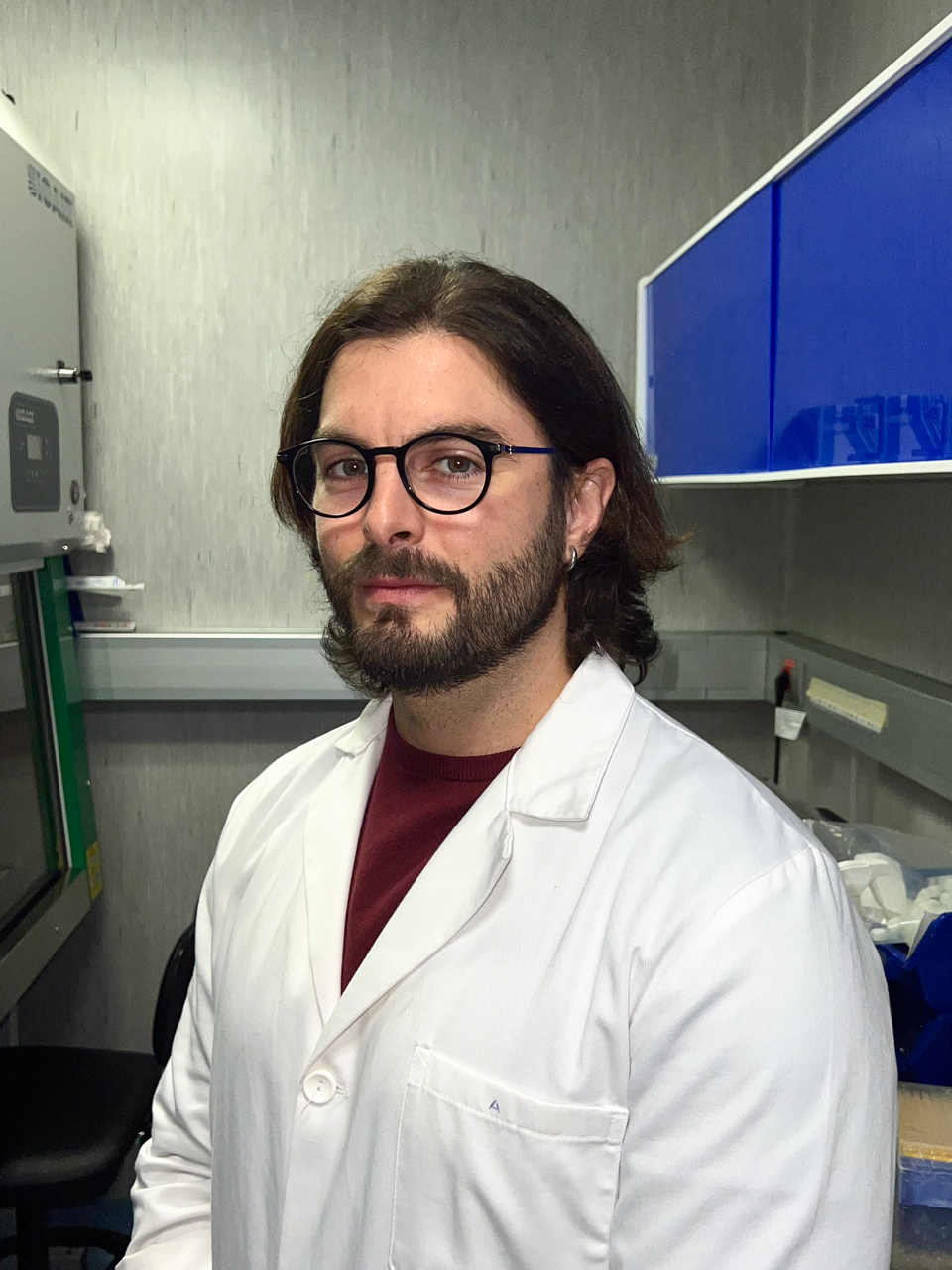
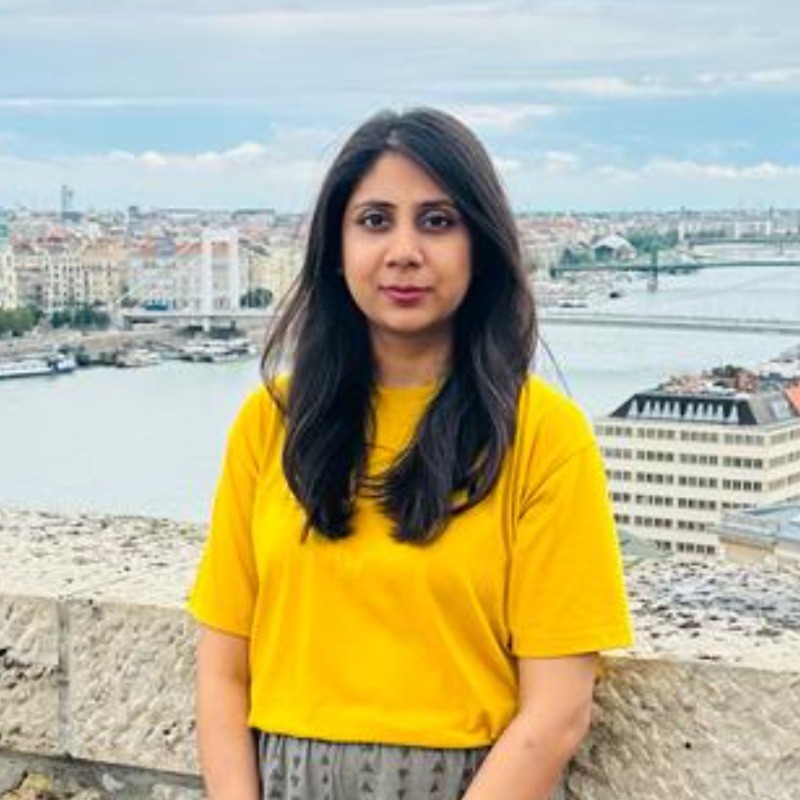

INTERNS AND STUDENTS WHO HAVE COLLABORATED WITH US
- Ruben Leone (02/2025 – 09/2025) – Senior Technical Intern for the quality system of biotechnologically-based products and processes. ITS Academy for New Technologies of Life – IISS Alessandro Volta, Palermo.
- Gabriel Adam (05/2024 – 08/2024) – Bioengineering Graduate student. Polytech Nice Sophia – Université Côte d’Azur
- Claudio Catalano (03/2023 – 09/2023) – Senior Technical Intern for the quality system of biotechnologically-based products and processes. ITS Academy for New Technologies of Life – IISS Alessandro Volta, Palermo.
- Giulio Giuseppe Ruggieri (03/2023) – Medical student (third year). Scuola Superiore di Catania – University of Catania.
- Armando Gagliardi (03/2023) – Medical student (third year). Scuola Superiore di Catania – University of Catania.
Projects
- Scaffold-free and scaffold-based 3D models of intrahepatic cholangiocarcinoma for biomarker discovery and drug testing
- Castor&Pollux - Integrating Single-Cell and Multi-Omic Technologies for Complex Biological Analysis
- Advancing cholangiocyte organoids for regenerative medicine and tissue engineering
- Development and characterization of a bioengineered bile duct
- Novel regenerative platforms to grow surrogate organs using stem/progenitor cells