Expanding the range of opportunities
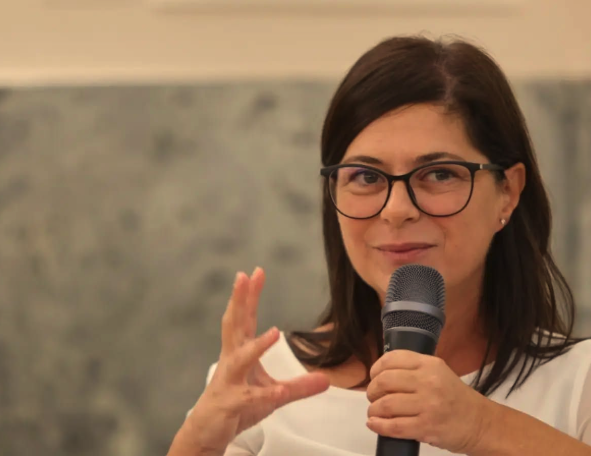
These were the words Maria Pia Pensabene chose to open “Biomed and Biotech: Skills, Training and Innovation”, the three-day event held in Palermo from 16 to 18 September, bringing together institutions, healthcare organizations, businesses, universities and the research community to discuss the skills needed to keep pace with developments in the biomedical and biotech sectors.
The Ri.MED Foundation took part in the event with particular interest and commitment: Ri.MED is a founding member of the “Alessandro Volta” ITS Academy, the only ITS Academy in Sicily operating in the field of Chemistry and New Life Technologies.
Throughout the three days, the discussion was led by Nino Amadore, journalist at Il Sole 24 Ore, who moderated the many contributions while keeping the debate firmly focused on practical questions: what professional skills do healthcare, research and industry need today? How must education and training change when technologies are evolving at an ever-increasing pace? And how can Sicily create high-quality career opportunities for young people?
Training, innovation and research must evolve together
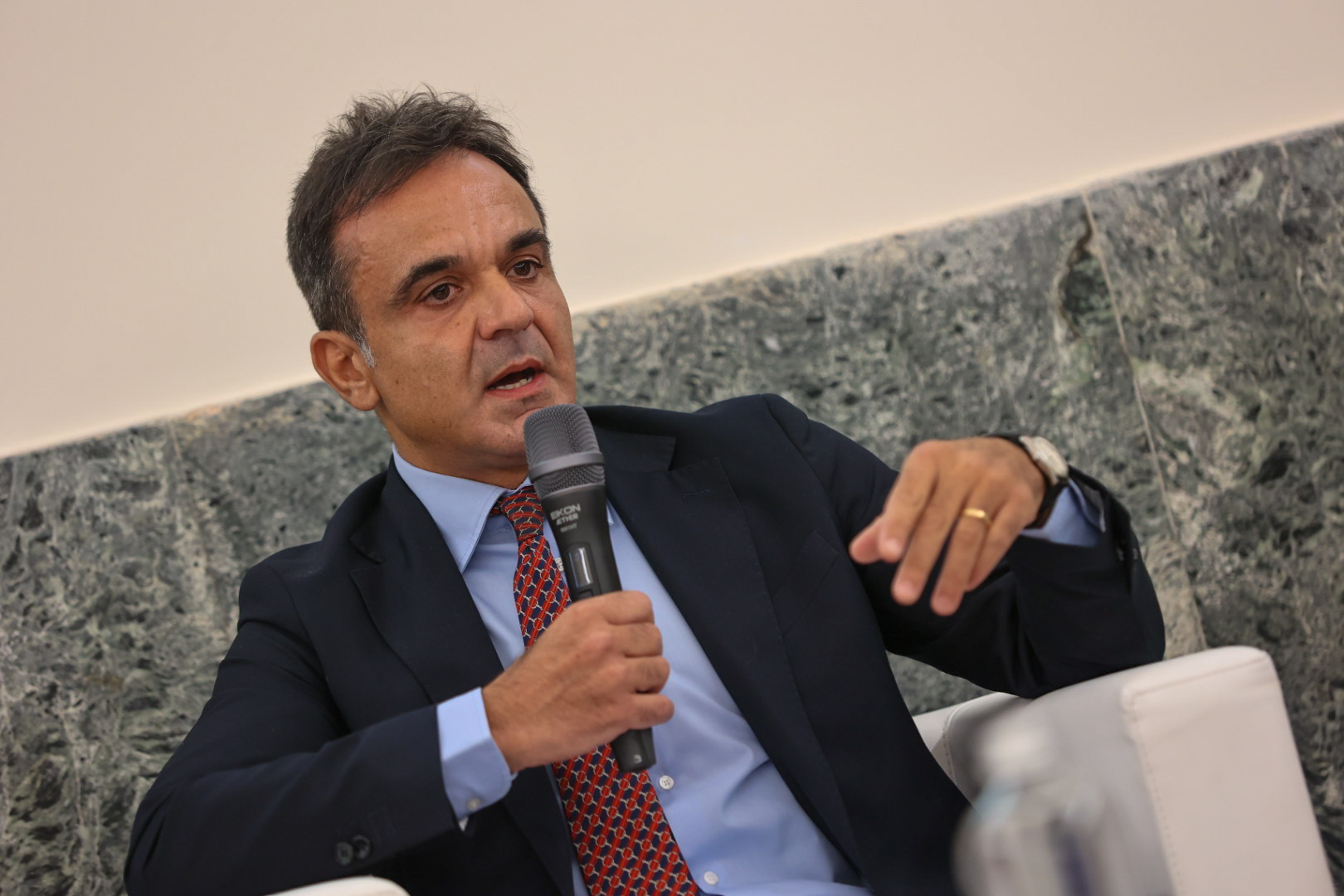
Emanuele Insinna, Secretary General of the Ri.MED Foundation, addressed the relationship between technological development and skills from the practical perspective of a research organization. The pace of innovation increasingly requires technology purchases to be planned as close as possible to the time when they will actually be used, in order to keep up with solutions that can evolve very rapidly. The same principle applies to skills: when technologies change quickly, training programs must be continuously updated to prepare professionals who are able to use them effectively and unlock their full potential.
During the afternoon session on the first day, Giovanna Frazziano, Project Manager at Ri.MED and lecturer at the ITS Academy, contributed to the discussion on the relationship between universities, research and ITS Academies. Her dual role is a tangible example of the bridge between research and education that Ri.MED and the ITS Academy have built through their collaboration over the years.
This ability to maintain a close connection between training and real-world skills needs is precisely one of the key strengths of the ITS Academy model.
This need is particularly evident in healthcare. Angelo Luca, Director of ISMETT, pointed out that electromedical technologies can account for as much as 30–40% of a hospital’s costs: major investments that require professionals with the skills to use and manage these technologies effectively. And demand for these professionals is expected to grow: in the United States, an estimated 8,200 biomedical equipment technicians will be hired each year over the next ten years.
From education to professional opportunities
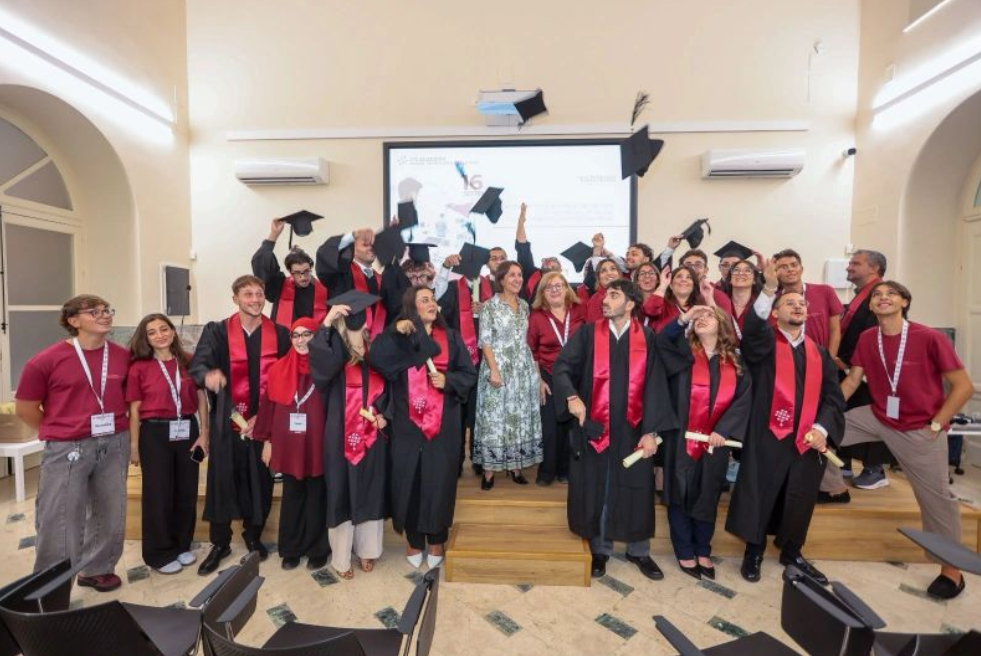
One of the most significant and emotional moments of the first day was the graduation ceremony – a celebration that put real faces, and many proud smiles, to one of the themes that emerged strongly throughout the event: the need to move beyond the idea that ITS education is somehow a “second-tier” alternative to university.
They are different and complementary educational paths, both equally important in building an ecosystem in which scientific, technical and professional skills can strengthen one another. The connection with industry was also at the heart of the second day, dedicated to bringing higher technical education and the job market closer together. One particularly important milestone was the signing of the Framework Agreement between Confindustria Dispositivi Medici and the nine Italian ITS Academies operating in the field of Chemistry and New Life Technologies.
The agreement aims to further strengthen the relationship between higher technical education and companies in the medical device sector through initiatives including an observatory on professional skills needs, the co-design of training programs with companies, internships, project work and apprenticeships, as well as applied research and technology transfer activities.
Innovation also means creating connections
The third day broadened the discussion further, focusing on the role of ITS Academies as drivers of social innovation and on their ability to “connect what already exists”. The panel brought together representatives from the worlds of innovation, education, academia and industry, including Biagio Semilia of Innovation Island.
The discussion took the issue of skills beyond education and training alone: innovating a territory also means connecting the organizations, experiences and talent already present within it, creating the conditions for them to generate new opportunities together.
A ribbon-cutting that opens up new opportunities
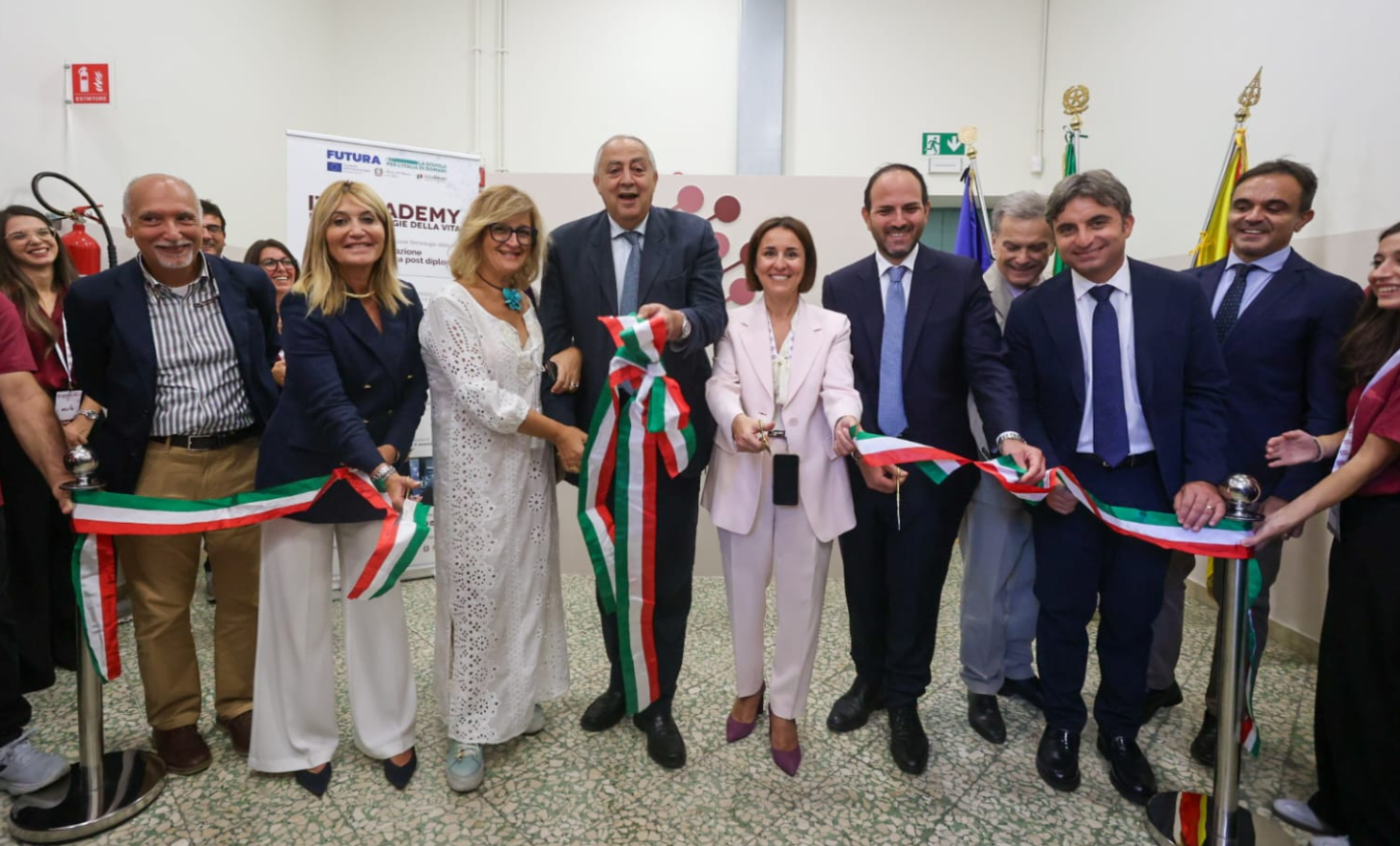
The event concluded with a moment that was both highly symbolic and very tangible: the inauguration of the ITS Academy’s new Biomed and Biotech 4.0 Laboratories, attended by institutions, founding members and partners.
These new spaces will bring education and technology together every day, enabling students to develop their skills using tools, methodologies and environments similar to those they will encounter in their future careers. The ITS Academy describes its “Technology Hub” as 1,800 square metres of 4.0 laboratories in the heart of Palermo.
With the cutting of a ribbon, the conference comes to an end, a new academic year begins, and the range of opportunities for young people grows even wider!